In any definitive vintage watch pricing guide, evaluating a timepiece requires far more than analyzing the movement condition or brand prestige on the dial. One of the most decisive, yet frequently overlooked, determinants of a vintage watch's market value lies stamped into its metal architecture: the hallmark. A hallmark is an official mark or series of stamps impressed into precious and non-precious metals to certify their purity, origin, and legal authenticity. In vintage horology, hallmarks serve as immutable forensic signatures. They reveal the exact precious metal alloy content, the specific assay office that tested the metal, the case fabricator who manufactured the shell, and often the exact timeframe of production.
When assessing a timepiece through a modern vintage watch pricing guide, understanding hallmarks allows collectors, appraisers, and dealers to cut through cosmetic restorations, unmask counterfeit or recased watches, and assign accurate financial values based on historical authenticity. A crisp, untouched hallmark on a gold lug can mean the difference between a mid-tier valuation and an auction-record premium, making the study of these tiny stamps an essential discipline for serious horological investors.
What is the Hallmark?
At its core, a hallmark is a legal guarantee of precious metal purity struck by an independent authority or authorized manufacturer. In vintage wristwatches and pocket watches, hallmarks consist of microscopic stamps applied to various parts of the watch case, including the inside case back, the outer case back, the interior wall of the middle case, the undersides of the lugs, and even the internal surfaces of solid-gold bracelets and clasps. These markings differ fundamentally from serial numbers, reference numbers, or brand logos; while serial numbers track production sequence and inventory, hallmarks exist to comply with legal metallurgical standards governing the trade of gold, platinum, and silver.
Beyond certifying metal purity, hallmarks in vintage watch cases frequently include responsibility marks—known in French as poinçons de maître—which identify the specialist case maker hired by a brand. During the golden age of 20th-century Swiss watchmaking, prestigious houses such as Patek Philippe, Audemars Piguet, Vacheron Constantin, and Rolex rarely manufactured their own cases in-house. Instead, they contracted elite master casemakers such as François Borgel, Jean-Pierre Hagmann, C.R. Spillmann, or Emile Vichet. Identifying these casemaker hallmarks within a watch case provides vital context about the object's build quality and historical rarity, directly influencing its standing within any comprehensive vintage watch pricing guide.
Furthermore, hallmarks reveal whether a watch was built for domestic sale or intended for export. Foreign trade tariffs historically required specific import hallmarks upon entering destination countries like France, Great Britain, or the United States. Recognizing these official marks enables collectors to verify whether a timepiece retains its original, period-correct regional distribution profile, or if it has been assembled from disparate parts gathered across different markets.
Historical Origins and Assay Office
Understanding the origin of assay marks is fundamental to navigating any comprehensive vintage watch pricing guide. The systematic hallmarking of precious metals dates back centuries, evolving from medieval guild control to formalized national regulatory standards. In Switzerland—the epicenter of modern horology—a unified federal hallmarking system was codified under the Federal Act on the Control of the Trade in Precious Metals of 1880, and subsequently revised in 1933. Prior to standardized national codes, individual cantons operated their own assay systems, creating a rich tapestry of markings that modern collectors and appraisers must decipher.
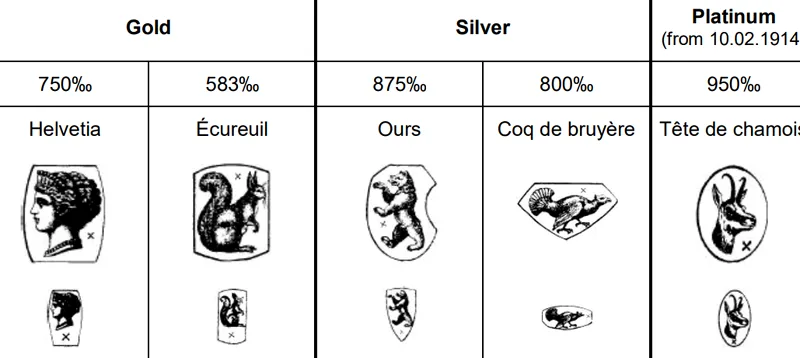
Under the Swiss national system established in 1880, specific pictorial symbols were assigned to indicate distinct precious metal purities. For example, the head of Helvetia (the national personification of Switzerland) was designated for 18k gold (750 fineness), while a grouse (coq de bruyère) represented 14k gold (585 fineness). Silver was symbolized by a woodduck or bear depending on the exact purity, while platinum utilized the head of an ibex. When the Swiss system was updated in 1933, the iconic "St. Bernard Dog Head" mark was introduced as the official national stamp for precious metals, accompanied by a specific letter code denoting the regional assay office that tested the alloy.
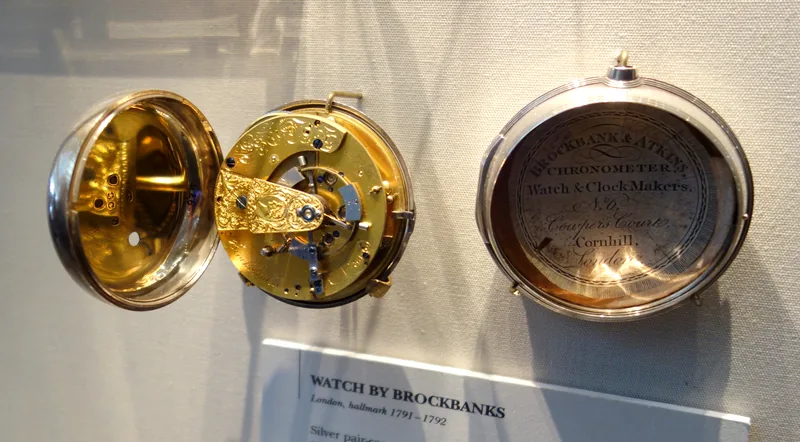
Assay offices operated across key Swiss horological hubs, each utilizing a unique identifier within the hallmark stamp. The Geneva assay office employed the letter "G," Neuchâtel used "N," La Chaux-de-Fonds utilized "C," and Biel/Bienne applied "B." In addition to Swiss domestic marks, British assay offices in London, Birmingham, Chester, and Edinburgh maintained their own strict, mandatory hallmarking codes for imported gold and silver watch cases. These British hallmarks featured town marks (such as the Leopard's Head for London or the Anchor for Birmingham), alongside traditional date letters, providing an extraordinarily precise year-by-year chronological record of when a case was hallmarked.
In France, the official state assay marks—such as the Head of Minerva for silver or the Head of Mercury for exported gold goods—were applied meticulously to imported Swiss luxury watches. Understanding which assay office tested a watch case, and recognizing the historical regulatory framework under which it operated, allows horological appraisers to verify the geographical journey of a vintage timepiece, establishing solid provenance that positively impacts market pricing.
Metal Purity and Standards
Metal purity plays a foundational role in any vintage watch pricing guide, establishing both the intrinsic melt value baseline and the historical context of a timepiece. Vintage watch cases were crafted across a spectrum of metallic compositions, ranging from utilitarian stainless steel to high-carat precious metal alloys. Standard Swiss and European gold purities were strictly regulated: 18k gold (750 parts per thousand), 14k gold (585 parts per thousand), and 9k gold (375 parts per thousand, predominantly found in British-market watch cases). Platinum was typically stamped at 950 fineness, symbolized in Switzerland by the mark of an Ibex prior to modern international standardization.
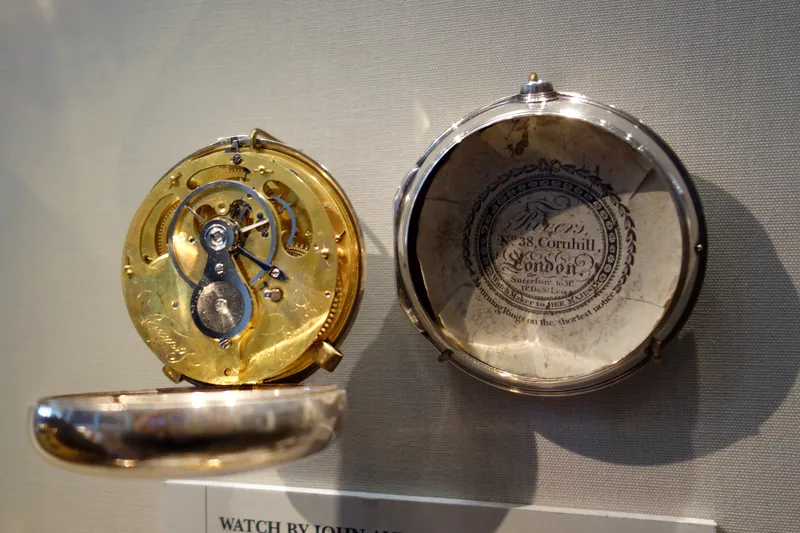
The distinction between solid precious metal cases and gold-filled or electroplated cases is a critical factor in market pricing. Solid gold cases carry permanent hallmarks certifying their alloy purity throughout the metal structure. Conversely, gold-filled or gold-plated cases rely on a thin layer of gold bonded over base metals like brass or nickel. These non-precious cases are marked with terms such as "Plaqué OR," "Gold Filled," or "Rolled Gold Plate," accompanied by thickness measurements in microns (e.g., 20 Microns). In terms of market value, solid gold cases command significant financial premiums due to both their raw material value and their historical positioning as top-tier luxury offerings when originally produced.
However, within the realm of vintage watch collecting, metal purity does not operate on a simple linear scale where gold always beats steel. In fact, many high-end vintage watch pricing guides highlight instances where stainless steel models drastically outvalue their 18k solid gold counterparts. During the mid-20th century, luxury manufactures like Patek Philippe, Audemars Piguet, and Vacheron Constantin produced stainless steel complicated watches—such as perpetual calendar chronographs—in extremely limited quantities, reserves traditionally reserved for gold or platinum. Because steel cases were considered industrial, fewer were made, making surviving original steel examples exceptionally rare today and driving their auction valuations into seven figures.
Nevertheless, for precious metal watches, the presence of correct, unadulterated purity hallmarks confirms that the case maintains its original metallurgical integrity. Wear and tear, corrosion, or unauthorized alterations can degrade the clarity of these stamps. A watch whose purity hallmarks match the exact specifications declared on its archive extracts will always sit at the top tier of financial valuation guides.
How to Identify on Vintage Watch Cases
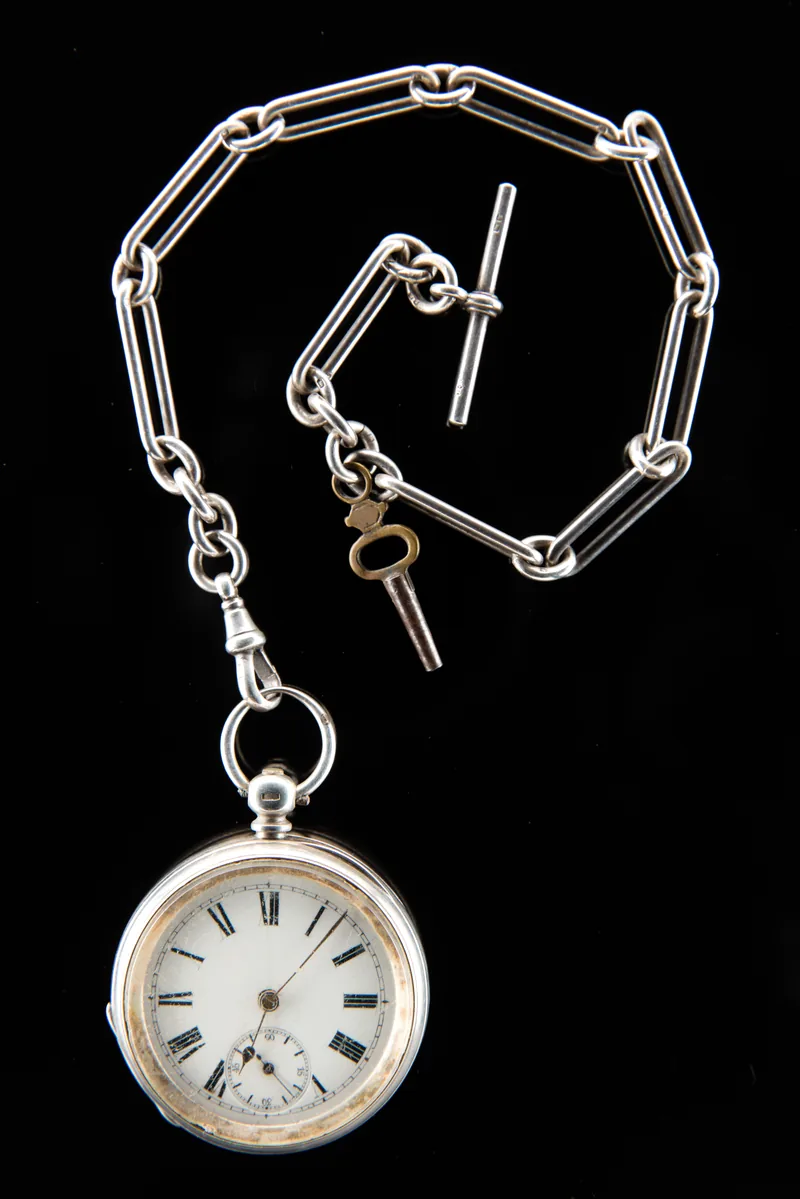
Locating and correctly identifying hallmarks is a core skill emphasized in every professional vintage watch pricing guide. Because watchmakers aimed to preserve the aesthetic purity of a watch's exterior, hallmarks were placed strategically across various structural components. The most common location is the interior of the case back, where assay stamps, metal purity marks, casemaker symbols, and reference numbers were stamped away from daily wear. However, hallmarking laws in many jurisdictions—particularly Switzerland, France, and Great Britain—mandated that precious metal cases also feature exterior hallmarks so customs officials and buyers could verify purity without opening the watch.
Exterior hallmarks are typically found on the undersides of the case lugs, on the flank of the middle case between the lugs, or on the outer rim of the snap-on or screw-down case back. On vintage chronographs, tiny hallmarks can sometimes be discovered stamped onto the pushers or winding crown. On integrated gold bracelets, hallmarks are usually located on the blade of the deployant clasp, the inner fold of the ladder buckle, or near the end-links where the bracelet attaches to the case body.
Identifying these marks requires proper magnification and lighting tools. Horologists rely on 10x to 20x loupes, macro photography, or digital microscopes to inspect these tiny, often microscopic engravings. A genuine Swiss 18k gold hallmark (such as the Helvetia head or St. Bernard dog head) features incredible detail within a space smaller than a millimeter across. Within the silhouette of the St. Bernard head, for example, a microscopic letter indicates the specific assay office; if this detail is blurred or absent, it may indicate excessive case polishing or a forged mark.
Differentiating genuine hallmarks from forged or buffed-out marks is essential when determining value. Forged hallmarks often display unnatural laser-engraved outlines or incorrect font styles inconsistent with period-accurate mechanical punch dies. Conversely, authentic historical hallmarks show crisp, deep indentations created by heavy physical pressure, featuring characteristic metal displacement around the edges of the stamp. Recognizing these micro-features prevents collectors from overpaying for compromised or counterfeit timepieces.
Dating and Authentication Value
From an appraisal perspective, hallmarks act as irreplaceable chronological anchors. In any nuanced vintage watch pricing guide, establishing chronological alignment between the watch case, movement, and dial is mandatory for high-tier valuation. Discrepancies between these components indicate a "marriage watch" or a replacement case, both of which drastically diminish collector value. Hallmark analysis offers a clear, objective tool to verify or debunk a timepiece's purported age.
British hallmarks provide the most direct dating mechanism due to their structured date-letter system. The Goldsmiths' Company Assay Office in London, alongside its counterparts in Birmingham and Edinburgh, assigned a unique letter of the alphabet to each calendar year, rotating font styles and shield shapes with every complete cycle. By cross-referencing a British-hallmarked watch case letter with official assay tables, an appraiser can pinpoint the exact year the case was submitted for testing. If a movement serial number dates to 1952, but the case bears a London date letter for 1968, the watch is instantly flagged as non-coeval, fundamentally adjusting its market value downward.
Swiss hallmarks, while organized differently, also provide distinct chronological boundaries. The transition from the 1880 system (Helvetia/Grouse marks) to the 1933 system (St. Bernard head marks) offers a clear line in the sand. A watch claiming to be manufactured in 1945 that features an 1880-style Helvetia hallmark requires immediate forensic re-evaluation. Similarly, French import hallmarks underwent periodic changes in design, giving experts defined time windows to validate whether a timepiece was imported during its period of original manufacture.
Authenticity verified through correct hallmark sequencing protects buyers from buying re-cased movements or service-replacement cases. Factory-original period cases preserve historical value, whereas service cases—even if produced by the original manufacturer decades later—carry significantly lower resale value in the vintage secondary market.
Collector Significance
In the ultra-competitive landscape of vintage horology, hallmarks transcend technical certification; they drive emotional connection, historical fascination, and exponential value premiums. Collectors do not merely buy the brand name printed on the dial; they buy the historical integrity of the entire object. A pristine hallmark represents a case that has escaped the destructive wheel of aggressive polishing.
Over decades of service, many vintage watch cases underwent heavy polishing during routine maintenance. A buffing wheel quickly rounds off crisp case edges and obliterates delicate, shallow hallmark stamps. Consequently, a vintage watch displaying deep, sharp, fully legible hallmarks commands an immense pricing premium—often 20% to 50% higher than an identical model with softened or polished-out marks. In horological circles, intact exterior hallmarks are celebrated as proof that the watch case retains its factory-original proportions, geometry, and crisp metal finish.
Furthermore, collector appreciation for specific master case makers (poinçons de maître) has surged in recent years. Within any advanced vintage watch pricing guide, cases produced by legendary casemakers are assigned distinct valuation multipliers. For instance, Patek Philippe timepieces housed in cases made by Emile Vichet (identified by a keyhole hallmark containing the number 1) or François Borgel / Taubert Frères (identified by a keymark or Geneva key stamp) are highly coveted for their exceptional architectural lines and extreme rarity. Similarly, Rolex collectors actively track cases produced by Genex or Wenger, using casemaker hallmarks to verify limited-production variants.
Ultimately, hallmarks serve as the physical DNA of a vintage watch. They tie the object to specific artisans, historical trade legislation, and metallurgical standards of eras past. By combining hallmark identification with movement analysis, dial condition assessment, and provenance research, collectors and appraisers can accurately navigate the market, ensuring every valuation reflected in a vintage watch pricing guide is grounded in verifiable horological fact.