Preserving horological heritage requires a rigorous understanding of both environmental conservation and physical metallurgy. In the realm of vintage watch curation, improper preservation methods, volatile organic compounds (VOCs), and unconditioned micro-climates can cause irreversible degradation to precious metal cases, dials, and intricate mechanical calibers. To construct an uncompromising archival environment, horologists and serious curators must understand the precise chemical composition of the artifacts in their care. This master vintage watch storage guide provides the technical foundation for identifying precious metal hallmarks, evaluating historical alloy stability, and implementing museum-grade storage and display protocols.
What is the Hallmark?
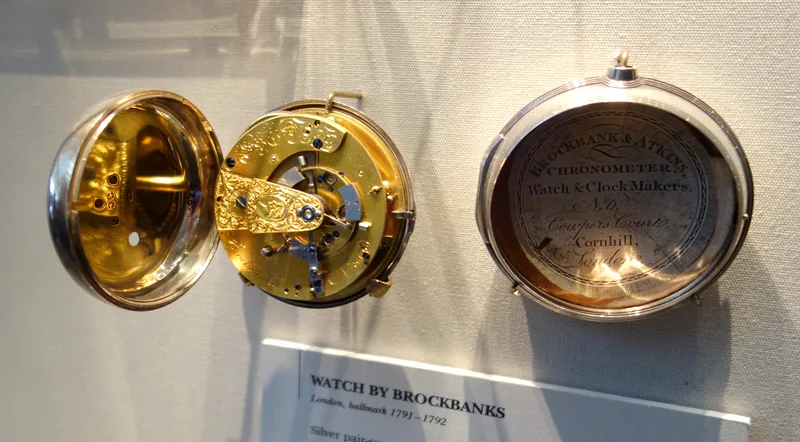
A hallmark is an official, legally mandated mark or series of struck impressions stamped onto precious metal artifacts—including watch cases, cuvettes, and bezels—by an independent assay office or recognized regulatory authority. Unlike a manufacturer's logo, serial number, or reference stamp, a hallmark serves as an indisputable, legal guarantee of precious metal purity (fineness). It verifies that the metallic substrate has been scientifically tested via cupellation (fire assay) or touchstone testing and conforms to strict statutory standards.
In classical horology, a complete hallmark sequence typically comprises four distinct punch marks: the Sponsor’s or Maker’s Mark (identifying the case maker), the Standard Mark (certifying metal purity), the Assay Office Mark (designating the jurisdiction of testing), and the Date Letter (a stylized alphabetical code denoting the exact year of assay). From a technical storage perspective, recognizing these marks is critical. The hallmark reveals the precise metallurgical composition of the case, dictating the atmospheric relative humidity (RH), chemical filtration, and inert lining materials required to prevent galvanic corrosion, copper leaching, or tarnish oxidation over centuries of display.
Historical Origins and Assay Office
The practice of hallmarking precious metals originated in the Middle Ages to prevent fraudulent alloy debasement. The English system, codified under the Statute of Edward I in 1300, established the Worshipful Company of Goldsmiths at Goldsmiths' Hall in London—giving birth to the term "hallmark." Over the succeeding centuries, major regional assay offices emerged across Great Britain, each utilizing a distinctive emblem: London (a Leopard’s Head), Birmingham (an Anchor), Chester (a Dagger between three Wheat Sheaves), Edinburgh (a Castle), and Glasgow (a Tree, Bird, Bell, and Fish).
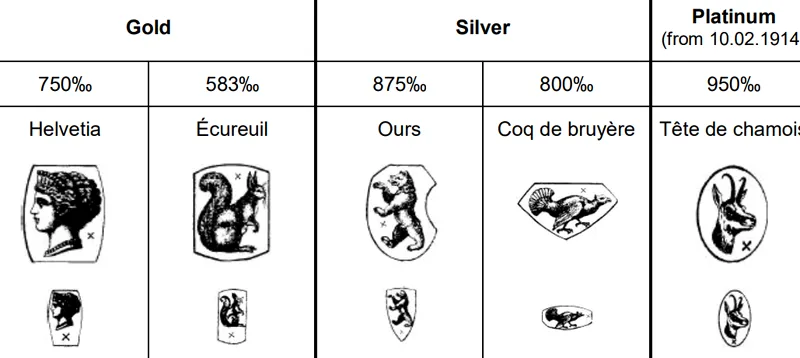
For Continental timepieces, particularly those produced in Switzerland, hallmarking regulations evolved separately. Prior to 1880, Swiss case makers adhered to regional canton regulations. However, the Swiss Federal Act of 1880 established a unified national system. High-carat 18K gold was stamped with the symbol of Helvetia (the national personification of Switzerland), while 14K gold received a Duck mark, and sterling silver was marked with a Grouse. In 1934, Switzerland modernized this framework, introducing the Head of Saint Bernard as the universal official hallmark for all precious metal items assayed under federal supervision.
During the late 19th and early 20th centuries, strict international import tariffs mandated that foreign watch cases entering Britain undergo secondary re-assay. Consequently, Swiss-manufactured cases imported into London, Glasgow, or Dublin received prominent British import marks alongside their original Swiss hallmarks. This dual-stamping phenomenon is frequently observed on original WW1 trench watches, where Swiss sterling silver or early gold cases were struck with the London import mark (an inverted double-oval containing the sign of Mercury or a designated import symbol) to satisfy British customs legislation before military deployment.
Metal Purity and Standards
Understanding the exact karatage or fineness of a vintage watch case is essential for environmental control. Gold and silver in their pure states are excessively ductile and soft, requiring base-metal alloying (typically copper, silver, nickel, or zinc) to achieve structural rigidity suitable for threaded casebacks, snap bezels, and hinge assemblies. However, these base-metal additives alter the chemical reactivity of the case.
The historical standards for horological metal purity include:
- 22 Karat Gold (.916 fine): Rare in watch cases due to extreme softness; highly resistant to atmospheric corrosion.
- 18 Karat Gold (.750 fine): The international luxury standard. Contains 75% pure gold and 25% alloy metals. Exceptionally stable, but susceptible to surface patination if copper content is high (e.g., rose gold).
- 15 Karat Gold (.625 fine): A British standard utilized between 1854 and 1932. Contains 37.5% base metal, requiring moderate humidity control to avoid surface dulling.
- 14 Karat Gold (.585 fine): Widespread in North American and Continental European markets; offers high mechanical durability.
- 9 Karat Gold (.375 fine): Common in British horology. Containing 62.5% base metals (predominantly copper and silver), 9K gold oxidizes rapidly in high-humidity or sulfur-rich environments.
- Sterling Silver (.925 fine) & Swiss Silver (.935 fine): Highly reactive to airborne reduced sulfur compounds (hydrogen sulfide), resulting in silver sulfide ($Ag_2S$) tarnish.
- Platinum (Pt 950 / Pt 900): Near-completely inert, immune to atmospheric tarnish, but requiring physical scratch protection due to high density and weight.
The following archival specification reference outlines the verification parameters and physical preservation notes for primary historical watchmaking alloys:
| Feature / Specification | Historical Archival Standard | Collector Verification Note |
|---|---|---|
| 18K Gold Fineness | 0.750 Fine Gold (Swiss Helvetia / Head of Saint Bernard) | Exhibits minimal atmospheric oxidation. Require micro-fiber support to prevent pressure abrasion. |
| 15K Gold Fineness | 0.625 Fine Gold (Abolished in UK, 1932) | High copper content can produce localized green or reddish alloy patination in non-conditioned storage. |
| 9K Gold Fineness | 0.375 Fine Gold (British Standard "9" or ".375") | Prone to surface tarnish if exposed to relative humidity exceeding 55%. Store with vapor-phase inhibitors. |
| Sterling Silver | 0.925 / 0.935 Fine Silver (Lion Passant / Bear / Grouse) | Requires complete isolation from sulfur-outgassing materials like vulcanized rubber or acidic display velvets. |
| British Import Mark | Double-Oval Import Symbol + Date Letter (Post-1906) | Validates authentic Swiss movement/case exportation for the British market during the early 20th century. |
| Platinum 950 | 0.950 Platinum (Head of Saint Bernard / Dog's Head) | Impervious to chemical corrosion; vulnerable to surface micro-marring from coarse storage linings. |
How to Identify on Vintage Watch Cases
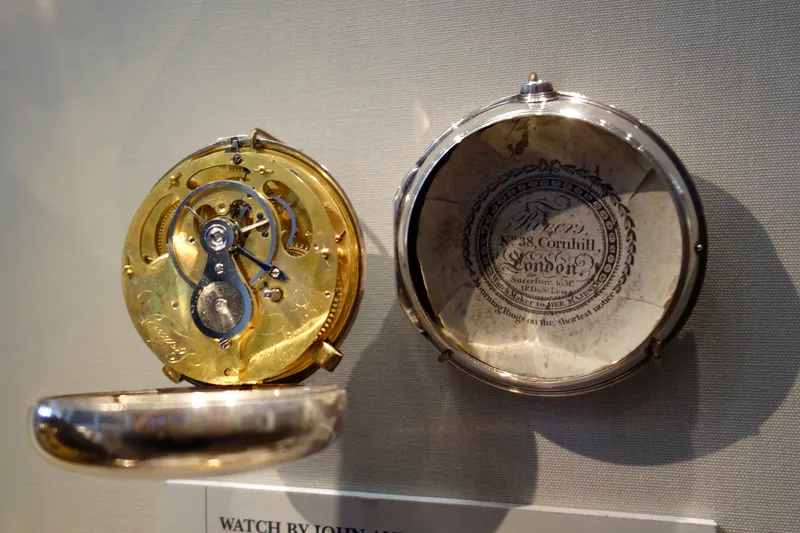
Proper identification of hallmarks requires systematic optical inspection under high-magnification achromatic loupes (10x to 20x) paired with oblique, low-angle raking light. Hallmarks on early pocket watches and mid-century wristwatches were struck using precision steel punches. Because of this mechanical displacement of metal, authentic struck hallmarks exhibit micro-displacement ridges along the perimeter of the impression, whereas modern laser-engraved counterfeits display uniform, flat-bottomed burn channels devoid of metal flow lines.
When conducting an archival inspection, search the following primary physical locations:
- Inner Caseback Interior: The primary location for complete hallmark sequences, purity marks, maker's marks, and case serial numbers.
- Inner Cuvette / Dust Cover: On pocket watches and early wristwatches, the cuvette often duplicates primary hallmarks or displays specific purity symbols.
- Underside of the Lugs: Mid-century chronographs and luxury dress watches from premier manufacturers frequently feature tiny punch marks on the rear profile of the lugs. For example, when authenticating pieces within a vintage Rolex wristwatch collection, curators inspect the undersides of the lugs or the space between the lugs at 12 and 6 o'clock for small Swiss precious metal hallmarks (such as the Saint Bernard's head or key symbol) struck alongside reference and serial numbers.
- Bezel Rims and Case Mid-Sections: Snap-on bezels and three-piece case bodies often bear diminutive control marks to prove that all individual components were cast from the same batch of refined alloy.
Dating and Authentication Value
For museum archivists and discerning collectors, hallmarks serve as the definitive chronological key for verifying a timepiece's production window. In the British system, date letters operate on a strict 20- to 26-year cyclical alphabet. Each cycle alters the font style (e.g., Gothic, Roman, Italic), case capitalization, and the geometric shield outline enclosing the letter. By cross-referencing the date letter with assay office tables, a curator can pinpoint the exact year a watch case was tested, offering an infallible baseline independent of movement serial numbers.
Furthermore, Continental hallmarks often incorporate a Poinçon de Maître (Master's Mark). In Switzerland, case makers registered unique numeric identifiers enclosed within distinct geometric shapes—such as a Hammerhead (designating Geneva case makers like Wenger or C.R. Spillmann) or a Key (designating case makers from Neuchâtel). Identifying these marks validates whether a case is historically correct to the movement caliber or if it represents a modern marriage or non-original replacement.
When assessing restored vintage timepieces and conversions, rigorous hallmark scrutiny prevents the acquisition of re-cased movements or electroplated recasts. An unpolished, crisp hallmark elevates a timepiece's valuation significantly, as over-polishing with aggressive abrasive compounds removes microscopic surface metal, blurring the punch geometry and eroding the artifact's historical integrity.
Collector Significance
The financial and historical value of a vintage timepiece relies heavily on case integrity. Over-polishing, acid immersion, or exposure to harsh environmental pollutants can permanently obliterate hallmarks, drastically reducing a piece's auction provenance and collector appeal. Beyond authentication, hallmark analysis dictates the precise protocol for long-term physical storage and archival display.
To establish a museum-grade preservation environment for valuable horological collections, implement the following environmental standards:
1. Atmospheric Climate Control
Maintain display and storage environments at a strict temperature range of 18°C to 21°C (64°F to 70°F) with a relative humidity (RH) stabilized between 40% and 48%. Relative humidity above 50% accelerates the oxidation of copper alloys present in 9K and 14K gold, while promoting tarnish on sterling silver cases. Conversely, an RH below 30% causes natural leather straps and organic dial lacquers to desiccate and crack.
2. Volatile Organic Compound (VOC) Elimination
Never store vintage timepieces in commercial watch boxes lined with vulcanized rubber, acidic wood adhesives, or unfoamed poly-vinyl chloride (PVC). These materials outgas sulfur compounds and acidic vapors that react violently with silver and low-carat gold, forming dark, unsightly patination across the case and destroying delicate movement lubricants. Utilize inert polyethylene foam (such as Plastazote), archival-grade acid-free museum board, and unbleached 100% cotton presentation trays.
3. Micro-Climate Enclosures and Display Filtration
For high-value displays, utilize sealed glass showcases fitted with activated charcoal absorption filters and static-absorbing desiccants (such as conditioned silica gel cassettes). Ensure display lighting is entirely free from Ultraviolet (UV) and Infrared (IR) wavelengths. High UV exposure degrades dial varnish and radium/tritium luminous material, while IR radiation creates localized thermal heating within the case, compromising mainspring oils and accelerating alloy tarnish.
Frequently Asked Questions
Why do some high-grade vintage gold watch cases lack exterior hallmarks?
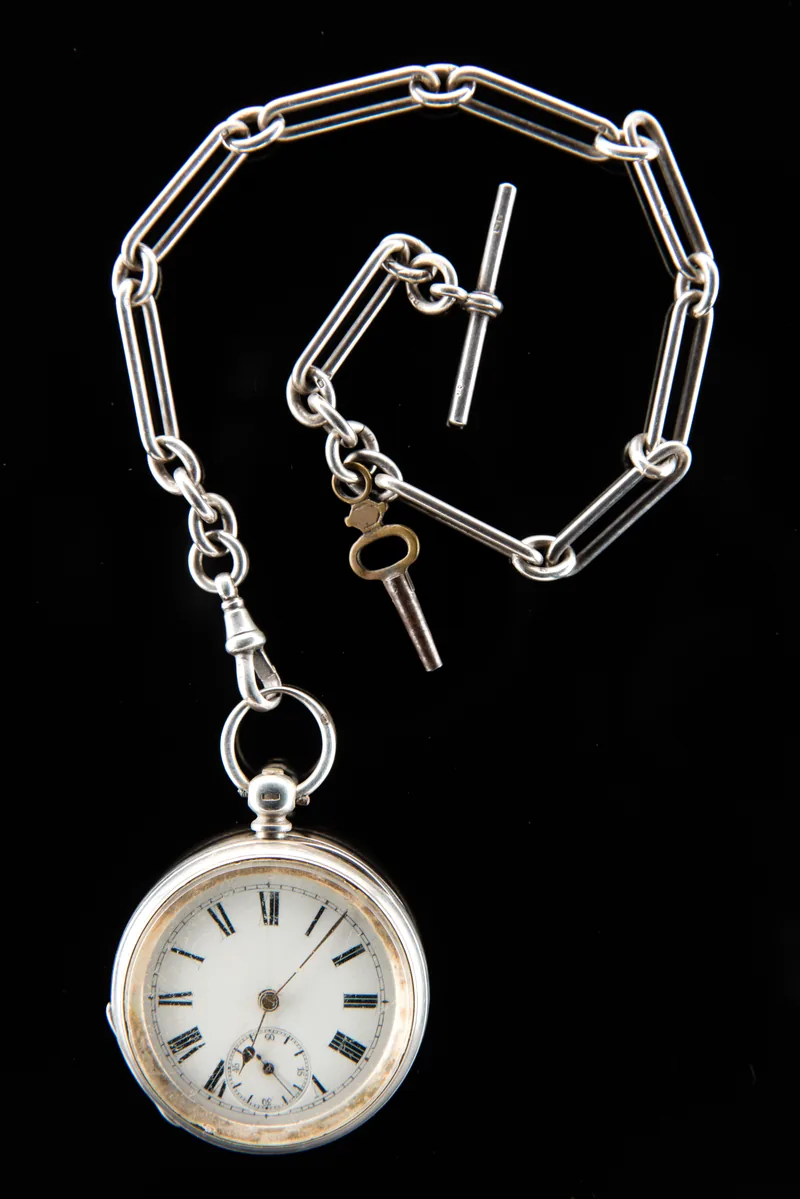
Historically, many Swiss and European case makers stamped hallmarks exclusively on the interior surface of the caseback or inner cuvette to preserve the clean aesthetic lines of the exterior metal. Exterior hallmarks were typically reserved for specific regional regulations, import requirements, or specific lug locations on mid-century chronographs.
How does relative humidity impact lower-carat gold and silver vintage watches?
Relative humidity exceeding 50% accelerates atmospheric oxidation on silver and low-karat gold alloys (such as 9K or 12K) due to their high concentration of reactive base metals like copper and zinc. Maintaining a controlled RH of 40%–48% prevents galvanic reactions and chemical tarnishing without drying out dial lacquers or leather accoutrements.
What are the safest materials for long-term vintage watch storage trays?
The safest museum-grade storage materials are inert cross-linked polyethylene foams (Plastazote), acid-free unbleached cotton velvet, and micro-ballistic nylon free from PVC coatings. These materials do not outgas sulfur or acidic volatile organic compounds, ensuring that precious metal hallmarks, case finishes, and watch movements remain completely untarnished over decades of storage.