Historical Background of Felsa 16s Movements
Felsa S.A., established in 1918 in the watchmaking center of Lengnau, Switzerland, holds a revered position in horological history. While modern collectors often associate Felsa with their mid-century automatic innovations—most notably the bidirectional "Bidynator" movement introduced in 1942—the manufacture built its foundational reputation on robust, highly precise hand-wound pocket watch ébauches. During the early decades of the twentieth century, Felsa produced exceptional 16-ligne raw movements that supplied numerous Swiss assembly houses and international brands. These movements embodied the quintessential Swiss bridge architectural style, characterized by clean hand-finishing, finger bridges, and meticulous escapement geometry.
The era during and immediately following World War I marked a fundamental shift in how timepieces were worn. As soldier field officers modified standard pocket movements for practical wrist wear, the horological industry observed a transition toward wearable, wrist-mounted instruments. Early adaptations mirrored the construction seen in authentic WW1 trench watches, where smaller pocket watch calibers were enclosed in custom cases featuring soldered wire lugs. The Felsa 16s (representing the standard 16-ligne or 16-size class movement measuring approximately 36 to 38 millimeters across the mainplate) emerged as an ideal candidate during this transitional period due to its structural durability, excellent torque delivery, and straightforward mechanical layout.
Understanding the history of Felsa pocket watch movements requires appreciating their role as standard-setting workhorses. Unlike mass-manufactured, low-jeweled movements of the era, a high-grade Felsa 16s ebauche was constructed with solid brass plates, thick gilding, precision-milled gear trains, and fully jeweled balance staffs. Today, as horologists and custom builders revive these golden-era calibers through modern artful restorations, the Felsa 16s offers an unprecedented blend of historic Swiss craftsmanship and physical dimension that seamlessly translates to modern wrist wear aesthetics.
Technical Specifications and Movement Architecture
From an engineering perspective, the Felsa 16s movement presents a masterpiece of classic mechanical architecture. The mainplate is traditionally forged from nickel-plated brass or gilded brass, designed to house a traditional side-lever escapement. The standard architecture features a split-bridge or multi-bridge layout, where separate bridges support the barrel, center wheel, third wheel, fourth wheel, and escape wheel. This modular layout allows master watchmakers to isolate and adjust individual components during servicing without disassembling the entire gear train—a characteristic hallmark of high-tier vintage Swiss engineering.
Technically, the balance assembly in a Felsa 16s represents early-to-mid 20th-century precision standard. It typically incorporates a cut bimetallic compensation balance wheel paired with a steel Breguet overcoil hairspring, operating at a traditional frequency of 18,000 vibrations per hour (2.5 Hz). Jewel counts range from 15 to 17 rubies, with upper-tier configurations featuring screwed gold chatons for the pivot jewels. The winding mechanism utilizes a classic stem-and-castle wheel arrangement with a crown-wheel click system mounted directly on the barrel bridge, delivering distinct tactile feedback during manual winding that modern industrial movements rarely replicate.
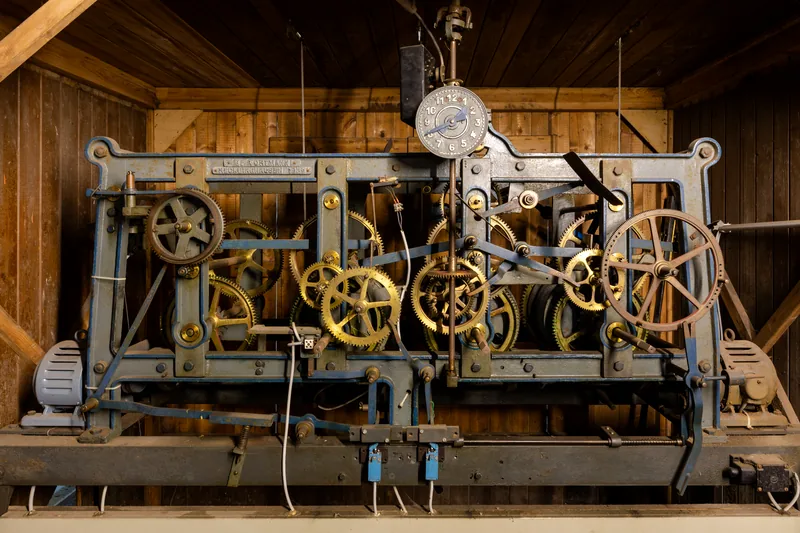
The power delivery in the Felsa 16s is governed by a heavy-duty mainspring housed within a wide spring barrel. Because of its generous diameter, the mainspring delivers consistent, high torque across its power reserve, which typically spans 36 to 42 hours. This high torque is essential when driving larger, high-mass hands across the dial face without introducing amplitude drag. The combination of slow-beat stability, generous component dimensions, and robust tooth profiles makes the movement mechanics uniquely forgiving during meticulous restoration and re-casing operations.
Challenges of Converting Felsa 16s to Wristwatch
When horologists are asked, "can you convert felsa 16s pocket watch movements into modern wristwatches?", the technical answer is a resounding yes, but it carries significant engineering challenges. The first major hurdle lies in positional adjustment and shock absorption. Vintage pocket watch movements were engineered primarily to operate in vertical pocket orientations or resting flat on a nightstand. Wristwatches, by contrast, endure constant rotational force, sudden shocks, and rapid positional changes. Early Felsa 16s movements lack modern shock-absorber systems (such as Incabloc or KIF) on the balance jewels, meaning balance pivots are highly susceptible to fracturing if the conversion case lacks adequate dampening or if worn carelessly.
A second major challenge revolves around dial architecture and movement layout. Pocket watches generally come in two primary configurations: open-face (Lepine) and hunter-case (Savonnette). In an open-face Lepine configuration, the winding stem sits at 12 o'clock, with the running sub-seconds hand positioned at 6 o'clock along the same axis. When you attempt to convert felsa 16s pocket watch into wristwatch configurations, placing the crown at the traditional wristwatch 3 o'clock position shifts the running sub-seconds sub-dial to the 9 o'clock position. Conversely, if starting with a Savonnette movement (where the stem was at 3 o'clock and sub-seconds at 6 o'clock), crown orientation aligns perfectly, but Savonnette Felsa 16s movements are significantly rarer to source in immaculate condition.
Finally, thermal expansion, moisture sealing, and movement securing represent significant obstacles. Pocket watch cases were rarely airtight, relying on snap-backs or simple thread fittings that provided zero water resistance. Translating a bare Felsa 16s movement into a modern wristwatch case requires custom movement holder rings, tight tolerances, and precision internal spacing to prevent axial movement of the heavy mainplate under impact. Managing these mechanical friction points requires strict horological skill and precise measurement calculations.
Lug Welding and Case Selection
Case fitting represents the crucial structural bridge between historical pocket caliber and modern wrist instrument. When embarking on a conversion project, builders generally choose between two pathways: retrofitting an original period pocket case by adding welded wrist lugs, or sourcing a custom-engineered 316L stainless steel felsa 16s pocket watch to wrist conversion case designed specifically for conversion projects. Sourcing a dedicated modern conversion case offers far superior daily durability, scratch resistance, and integrated synthetic rubber gasket seals that shield the sensitive vintage movement from environmental moisture and ambient dust.
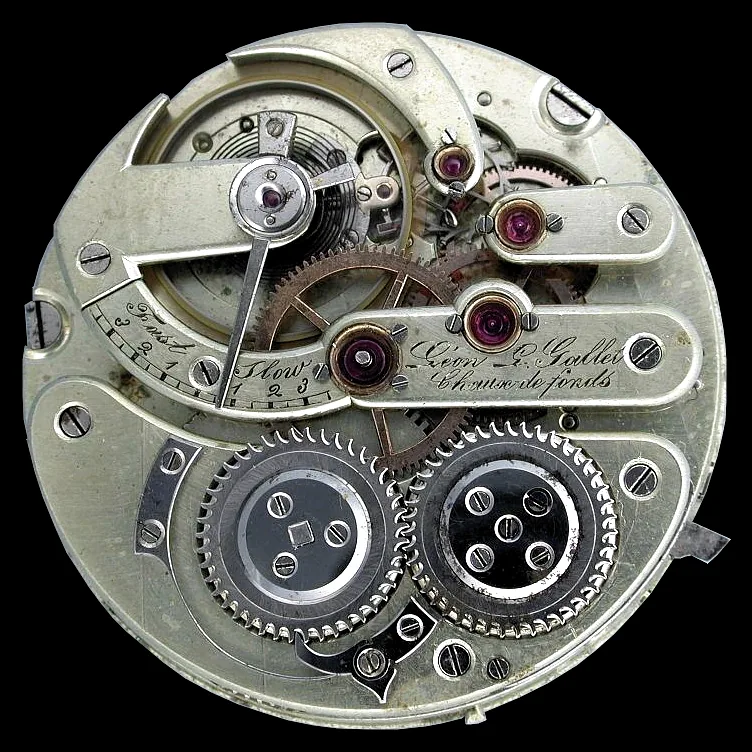
If the watchmaker chooses to retain the original silver, gold-filled, or nickel pocket watch housing, lug installation becomes a masterclass in metalworking. Wire lugs or solid sculpted lugs must be joined to the original case middle using silver soldering or micro-TIG (Tungsten Inert Gas) welding techniques. Silver soldering requires heating the case middle evenly while avoiding distortion of the bezel snap grooves or hinge assemblies. Micro-TIG welding permits highly localized heat deployment, preventing annealing of the surrounding metal while providing exceptionally strong structural bonds capable of enduring daily wrist strain and strap tension.
For custom conversion cases, dimensions must be calculated down to tenths of a millimeter. A 16s Felsa movement generally demands a inner case opening between 36.5mm and 38.0mm, resulting in an overall modern wrist case diameter of approximately 42mm to 44mm. The internal casing ring must be custom-lathed from brass or stainless steel, featuring perimeter set-screws or casing clamps that engage directly with the Felsa mainplate recess slots. This ensures that the heavy movement remains completely rigid within the outer housing during movement of the wearer's arm.
Crown and Stem Solutions
The winding stem interface is often where lesser conversions fail. A standard pocket watch winding system relies on a pocket watch sleeve mechanism embedded within the original pocket watch case neck (pendant), or a specialized square-stem winding assembly. When re-casing a Felsa 16s into a wristwatch housing, the original stem length and thread pitch (frequently non-standard historical tap sizes like TAP 9 or custom Swiss metric threads) are rarely compatible with modern aftermarket crowns. Watchmakers must either turn a new custom winding stem on a precision micro-lathe or employ custom thread adaptors and stem extenders.
Fabricating a custom stem requires hardened, high-carbon steel that undergoes precise heat treatment and tempering. The stem square section must fit the Felsa winding pinion and clutch wheel without lateral play, ensuring smooth transition between the hand-setting position and the manual winding position. The outer threaded section must be cut to match the selected modern crown tap diameter—typically TAP 10 (0.90mm thread diameter)—allowing the installation of a double-gasket sealed crown for modern weather resistance.
Crown design aesthetic plays an equal role in preserving historical harmony. The oversized dimensions of a 16s conversion case demand an proportionally sized crown to facilitate easy manual winding of the stiff Felsa mainspring. Classic "Onion" crowns, "Pumpkin" crowns, or large flat-fluted crowns are historically accurate choices that complement the early 20th-century aesthetic. Proper stem alignment within the case tube must be verified using dial calipers to ensure zero binding against the tube wall, which could otherwise wear down the mainplate stem hole or introduce excessive setting drag.
Dial and Hand Considerations
Preserving or redesigning the visual display of a Felsa 16s requires delicate technique. Original Felsa dials from the 1920s and 1930s were frequently constructed from fired vitreous enamel over copper plates, or silvered brass plates with black enamel paint track printing. Enamel dials are extraordinarily beautiful and immune to fading, but they are exceptionally fragile. Micro-cracks (hairlines) can instantly expand into cataclysmic chips if force is applied improperly during movement removal, dial pin releasing, or hand setting.
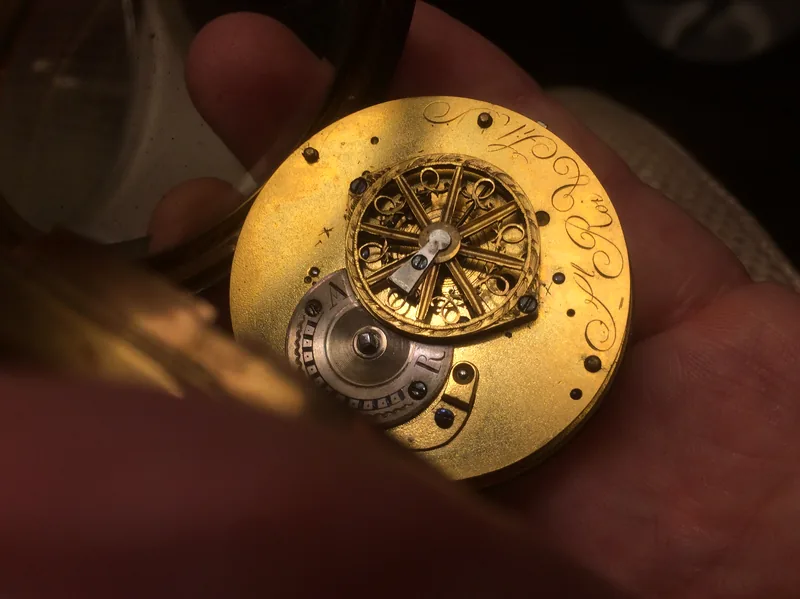
When repurposing an original dial for a wristwatch case, the position of the dial feet becomes a critical technical factor. The copper feet on the back of the dial must drop seamlessly into the corresponding receiving holes on the Felsa 16s mainplate and be secured via side-locking eccentric screws or tapered pins. If a builder creates a custom vintage-style dial to accommodate a 3 o'clock crown orientation on a Lepine movement, new dial feet must be welded to the dial base using a specialized capacitive discharge dial-foot soldering machine. This tool fuses copper posts to the reverse of the dial plate without transferring heat to the front painted surface.
Hand mounting presents its own dimensional challenges. Vintage pocket watch hands feature center hole diameters specifically matched to the large cannon pinion and hour wheel posts of early pocket movements. The Felsa 16s cannon pinion typically accepts an hour hand with a hole diameter around 2.00mm to 2.20mm and a minute hand around 1.10mm to 1.30mm—substantially larger than standard modern wristwatch hands. Watchmakers must either broach historical vintage hands to fit, resize hand sockets using precision smoothing broaches, or custom-craft blued steel hands from scratch. Thermal bluing of steel hands using a brass-filings heating tray remains the gold standard for achieving that iconic deep cobalt finish reflective of fine horology.
Why 16s is more common for conversion
Among the vast spectrum of antique pocket movement sizes—ranging from tiny 0-size pendant movements to massive 18-size railroad grade calibers—the 16s (16-ligne) movement occupies the absolute "sweet spot" for modern wristwear. To understand why horologists so frequently select the 16s platform when they convert felsa 16s pocket watch into wristwatch configurations, one must analyze contemporary wrist watch size trends alongside mechanical proportions. An 18s movement results in a conversion watch with a case diameter exceeding 48mm to 50mm, which proves overwhelmingly bulky and uncomfortable for daily wrist wear. Conversely, smaller 10s or 12s movements, while compact, often utilize thinner plates and miniature gear teeth that offer less mechanical durability.
The 16s movement dimensions permit an ideal external case diameter between 42mm and 44mm—a profile highly favored in contemporary horology, matching the wearable presence of modern pilot watches and oversized marine chronometers. For collectors interested in antique pocket watch conversions, a 16s Felsa offers the optimal compromise: substantial wrist presence, clear structural legibility through a sapphire display caseback, and exceptional physical balance when worn with a wide leather strap.
Furthermore, from an engineering standpoint, 16s movements feature gear trains and mainsprings of ample scale. The component parts are robust enough to withstand hand-finishing, beveling (anglage), circular graining (perlage), and bridge polishing by hand without compromising structural integrity. Parts availability for 16-ligne Swiss ebauches is also vastly superior compared to obscure smaller sizes, allowing master watchmakers to easily source replacement staffs, balance springs, or winding components when restoring a legacy movement to chronometer-grade performance standards.
Final Thoughts on Felsa 16s Conversions
Converting a historical Felsa 16s pocket watch movement into a functional modern wristwatch is far more than a simple exercise in component fitting; it is an act of horological preservation and artistic re-engineering. When executed with master-level skill, a conversion saves an unwearable piece of history—often rescued from discarded or melted gold and silver pocket watch cases—and transforms it into a living, wrist-borne masterpiece capable of running accurately for another century.
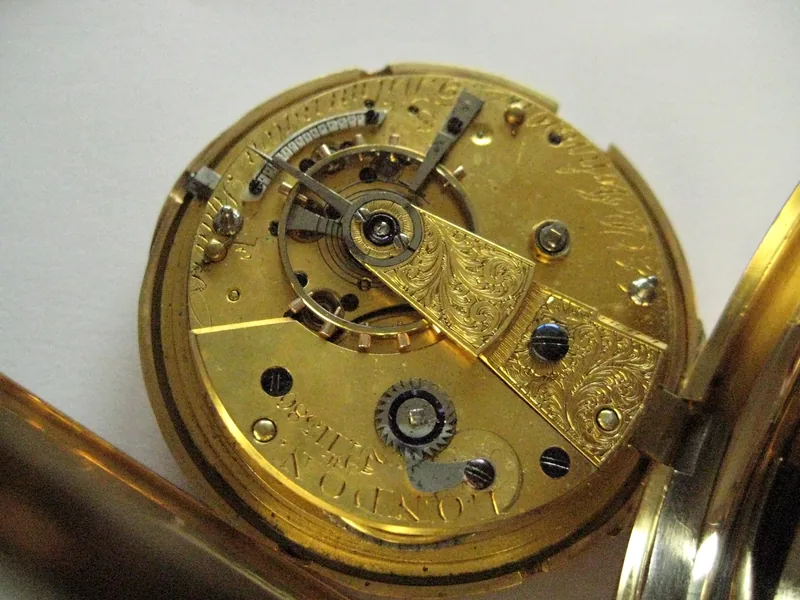
However, prospective owners and builders must respect the inherent limitations of converted historical timepieces. These movements were crafted long before the era of modern shock-proofing materials, computer-aided CAD clearances, and synthetic lubrication. They demand mindful wear: avoiding high-impact activities, keeping the watch strictly away from high water exposure, and ensuring periodic servicing by a qualified watchmaker every three to five years to fresh oil the mechanical pivots.
Ultimately, wearing a converted Felsa 16s provides an intimate connection to the apex of early Swiss industrial mechanics. Glancing at your wrist to see a hand-engraved, 100-year-old Felsa balance wheel ticking at a deliberate 18,000 vibrations per hour offers a sensory richness that no modern mass-produced timepiece can replicate. Through precision lathe work, custom case architecture, and respectful restoration, the Felsa 16s transitions effortlessly from a forgotten pocket artifact into a captivating, daily-wearable icon of mechanical artistry.