Historical Background of Felsa 18s Movements
The story of Felsa S.A. is deeply intertwined with the golden era of Swiss ébauche manufacturing in the Jura mountains. Founded in 1918 in Lengnau, Switzerland, Felsa established an immediate reputation for engineering robust, highly reliable raw movements—known as ébauches—for a wide spectrum of watch brands. While modern horological enthusiasts frequently associate Felsa with their mid-century automatic innovations, such as the famous Bidynator caliber introduced in the 1940s, the factory's early reputation was built on the meticulous production of large-format manual-wind pocket watch movements. Among these, the 18-ligne (often referred to in conversion circles as the 18s) calibers stand as stellar examples of interwar Swiss manufacturing perfection.
During the 1920s and 1930s, the 18-ligne movement was a global standard for pocket horology. Operating prior to the full consolidation of Ebauches SA, Felsa produced these movements with exquisite traditional architecture: finger bridges, substantial cut bimetallic balance wheels, and meticulously finished click springs. These pocket watch engines were designed for longevity and serviceability, featuring wide tolerances, thick brass mainplates, and generously sized steel components. They were supplied to various private-label assemblers and famous casing houses across Europe and North America, serving as the dependable heart for millions of dress and utility pocket watches.
Understanding the provenance of a Felsa 18s caliber requires an appreciation for how Swiss movement makers categorized their output. Unlike American pocket watch sizes, where "18 size" denotes a specific standardized plate diameter of 1.77 inches (44.96 mm), the Swiss 18-ligne (18''') designation corresponds to approximately 40.61 mm in movement diameter. This subtle distinction is crucial for watchmakers: a Swiss Felsa 18s ébauche is slightly more compact than its American 18s counterparts (such as those from Waltham or Elgin), making it inherently better proportioned for a modern wristwatch project while still possessing the commanding wrist presence of a classic pilot or marine deck watch.
Technical Specifications and Movement Architecture
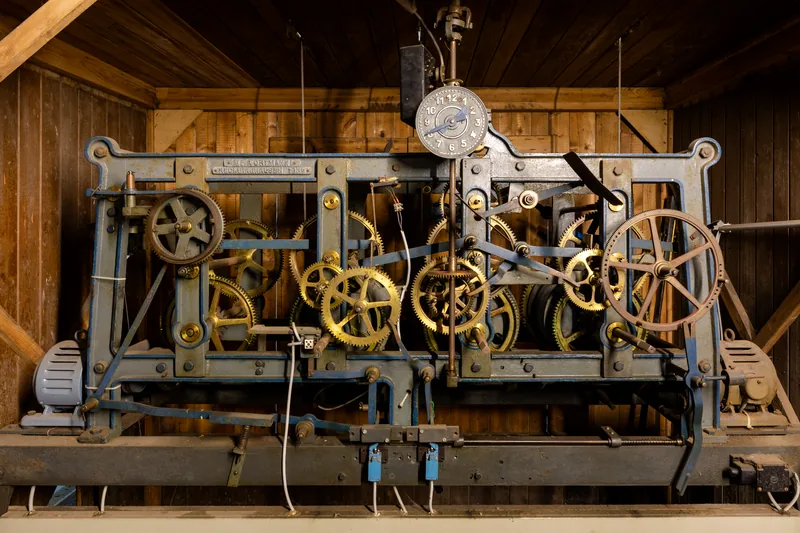
From a mechanical perspective, the Felsa 18s movement architecture represents classic Swiss hand-wound horology at its finest. The base plate and bridges are typically rendered in nickel-plated or gilded brass, often adorned with traditional Geneva stripes (Côtes de Genève) or perlage on the dial side. The geartrain follows a classic linear layout, driving a central cannon pinion and a offset sub-seconds wheel, usually positioned at 6 o'clock relative to the winding stem in an open-face (Lépine) configuration, or at 9 o'clock in a hunter (Savonnette) arrangement. The escapement is a traditional Swiss lever system, operating at a slow, resonant frequency of 18,000 vibrations per hour (2.5 Hz), which produces the deliberate, soothing tick characteristic of vintage pocket timepieces.
The technical specifications of the typical Felsa 18s ébauche reveal an emphasis on durability over slimness. The overall movement height usually ranges between 5.5 mm and 6.2 mm, depending on the specific bridge layout and winding mechanism variant. Jewel counts generally vary from 15 to 17 jewels, with higher-grade executions featuring screwed chatons to secure the ruby bearings. The balance assembly features a flat or Breguet overcoil hairspring paired with a large, screw-compensated balance wheel, providing excellent thermal compensation and rotational inertia. Power delivery is supplied by a robust mainspring contained within a large barrel, offering a power reserve typically spanning between 36 and 42 hours on a full wind.
Winding and setting systems in Felsa 18s calibers generally utilize a positive-set stem mechanism (pendant set) common to mid-era Swiss production, though earlier variants may employ a pin-set or lever-set arrangement. The keyless works consist of a sliding pinion and winding pinion driven by a sturdy setting lever and yoke assembly. Because these components were machined from thick high-carbon steel, they exhibit remarkable resistance to wear, making them exceptional candidates for restoration even after sitting idle in pocket watch cases for nearly a century.
Challenges of Converting Felsa 18s to Wristwatch
Many horological enthusiasts and custom watchmakers frequently ask: can you convert felsa 18s pocket watch movements into wearable wristwatches successfully? The definitive answer is yes, but the process is fraught with technical hurdles that require advanced bench skills, precision machinery, and a deep understanding of movement geometry. The primary obstacle revolves around structural scale and shock resistance. Vintage pocket watch movements like the Felsa 18s were engineered to rest comfortably in a vest pocket, protected from severe impacts. They universally lack modern shock-absorption systems such as Incabloc or KIF on the balance jewels, meaning a hard bump to a wrist-mounted case can easily snap the delicate balance staff pivots.
Another major technical friction point lies in the orientation of the movement components relative to standard wristwatch ergonomics. If you convert a Felsa 18s pocket watch movement originating from an open-face (Lépine) pocket watch, placing the winding stem at the traditional 3 o'clock wristwatch position will rotate the sub-seconds dial to the 6 o'clock position—a visually pleasing, traditional layout. However, if the donor movement is from a hunter-case (Savonnette) pocket watch, placing the stem at 3 o'clock pushes the sub-seconds wheel to the 9 o'clock position. Watchmakers must carefully evaluate the wheel train architecture before committing to a case design to ensure the final dial layout remains harmoniously balanced.
Furthermore, positional adjustment presents a significant timing challenge during the conversion process. Pocket watches were traditionally adjusted for three positions: stem up, stem left, and dial up/down. On the wrist, a watch experiences dynamic, multidirectional motion and sustained vertical positions that the original Felsa watchmakers never anticipated. Achieving stable timekeeping across five or six wrist positions requires meticulous poising of the balance wheel, careful adjustment of the hairspring play within the regulator pins, and re-servicing the endshakes of the gear train pivots to compensate for modern wearing habits.
Lug Welding and Case Selection
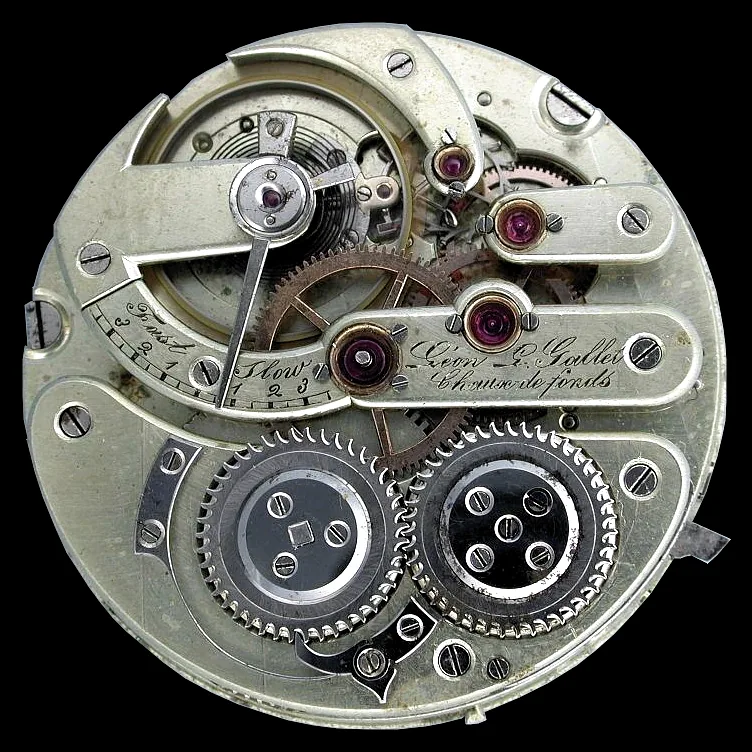
When selecting or fabricating a suitable housing, finding an authentic felsa 18s pocket watch to wrist conversion case requires strict attention to tolerances. Standard mass-market modern wristwatch cases will not accommodate an 18-ligne caliber without extensive modification. The movement diameter of ~40.6 mm demands an overall external case diameter between 44 mm and 48 mm, depending on wall thickness and crystal seating. Watchmakers generally choose between two primary paths: custom machining a brand-new stainless steel or bronze conversion case, or modifying an original vintage pocket watch case by silver-soldering or laser-welding custom lugs directly to its outer band.
If you choose to weld lugs onto an existing vintage pocket watch case, silver soldering or micro-laser welding is essential to prevent heat deformation of the case structure. The lugs must be engineered with an ergonomic downward curvature to allow the large 45mm+ case to sit flat against the curvature of the human wrist. Straight, rigid lugs on a case of this magnitude will create awkward gaps and make the watch visually disproportionate and uncomfortable to wear. Stainless steel or solid brass wire lugs (often styled after early WWI trench watches) provide an aesthetically period-correct appearance that complements the antique character of the Felsa movement.
For custom-machined conversion cases, a specialized casing ring (movement spacer) is almost always mandatory. The Felsa 18s mainplate must sit perfectly concentric within the case to ensure accurate stem alignment with the crown tube. Custom casing rings are turned on a lathe from brass or stainless steel, featuring precise shoulder recesses to match the lip of the Felsa mainplate. Securing the movement typically involves custom casing clamps (tab screws) that lock into a channel machined into the inner wall of the conversion case, preventing any rotational or axial movement when the watch is wound or subjected to motion.
Crown and Stem Solutions
Adapting the keyless works of an 18-ligne pocket watch to function reliably inside a modern wristwatch case is one of the most intricate phases of the conversion project. Pocket watch stems were designed for thick pendant tubes and pocket watch crowns, featuring large square section sizes and non-standard thread pitches (often Tap 10 or larger). Modern wristwatch crowns, by contrast, overwhelmingly utilize Tap 9 (0.90 mm) or Tap 10 (1.00 mm) female threads. To establish a reliable mechanical link, the watchmaker must either turn a bespoke winding stem on a micro-lathe or fabricate a precision stem adapter/extension.
Fabricating a stem extension involves micro-threading an hardened steel rod to join the original Felsa square-profile lower stem with the modern crown's thread pattern. The junction must be perfectly concentric; any runout or eccentricity will cause binding inside the crown tube, leading to stiff winding, uneven hand setting, and accelerated wear on the winding pinion and setting wheel. The setting lever mechanism must also be carefully adjusted so that the transition between the winding state and the hand-setting state engages with a crisp, tactile detent.
Crown selection is both an aesthetic choice and a functional requirement. Given the strong mainspring fitted inside a Felsa 18s movement, a small or slippery crown will make manual winding difficult and painful to operate. Oversized "onion," "pumpkin," or "diamond" shaped crowns are historically accurate and provide the necessary leverage to turn the ratchet wheel easily. Furthermore, modern conversion cases should incorporate internal O-ring gaskets inside the crown tube assembly to provide basic dust and moisture resistance, safeguarding the unsealed vintage movement from ambient environmental humidity.
Dial and Hand Considerations
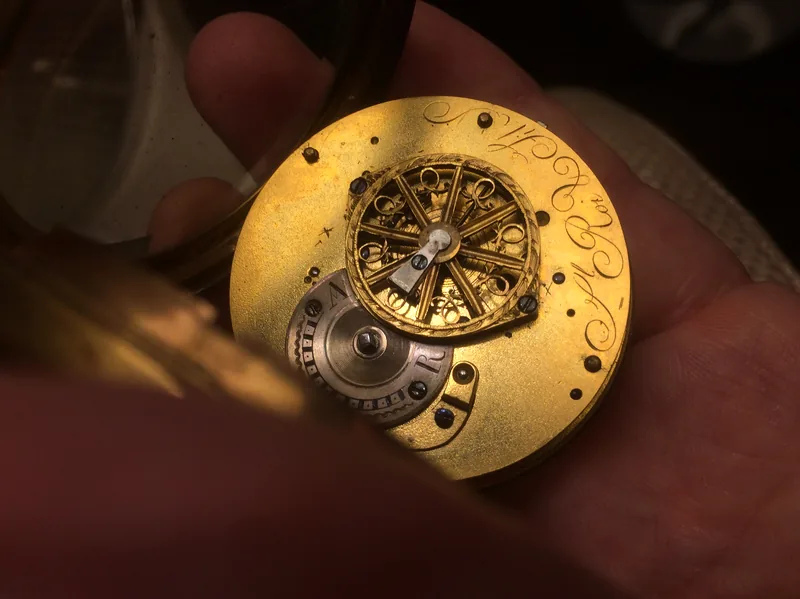
The visual identity of a converted timepiece hinges almost entirely on its dial and hand configuration. Original Felsa 18s pocket watch dials were predominantly constructed from vitreous enamel baked over a copper plate, or stamped metal with printed numerals. Vitreous enamel dials possess a timeless, non-fading beauty, but they are notoriously fragile. Machining or cutting an original enamel dial to fit a conversion case risks shattering or spider-webbing the enamel surface. As a result, watchmakers must carefully match the internal case opening to the exact outer diameter of the original dial, or custom-fabricate a metal dial from scratch using brass blanks.
Attaching the dial to the Felsa mainplate requires precise alignment of the dial feet. Vintage pocket watch dials feature copper feet soldered to their reverse side, which drop into corresponding receiving holes on the mainplate and are secured via side-set screws or eccentric cam locks. When using an aftermarket or custom dial, the maker must silver-solder new dial feet at exact millimeter coordinates relative to the center wheel post and the hour wheel track. Alternatively, specialized high-tack horological adhesive dots can be used for non-invasive mounting, though mechanical foot fixation remains the professional standard.
Hand fitting presents its own set of dimensional constraints. The center pinion (cannon pinion) and hour wheel pipe diameters on an 18-ligne Felsa movement are significantly larger than standard modern wristwatch hands (e.g., ETA 2824 or Unitas 6497 sizes). The hour wheel pipe generally measures around 2.00 mm to 2.20 mm, while the cannon pinion demands an eye size around 1.30 mm to 1.50 mm. Watchmakers must either broach out antique pocket watch hands to fit the exact friction-fit tolerances of the pivots, or turn down custom bushing rings to adapt modern hands to the oversized vintage posts. Thermally blued steel spade, cathedral, or Breguet-style hands offer the most coherent visual style for an 18s conversion.
Why 18s is Less Common for Conversion
While converts of 16-ligne (16s) and 10.5-ligne movements dominate the vintage conversion market—largely due to the popularization of calibers like the Unitas 6497/6498—the decision to convert felsa 18s pocket watch into wristwatch hardware is considerably less common among custom builders. The primary factor restricting 18s conversions is absolute physical footprint. An 18-ligne movement's 40.6 mm naked diameter mandates a finished wristwatch case that measures at least 45 mm to 48 mm across, excluding the crown. On average wrists, a watch of this size stretches the limits of wearability and visual balance.
Additionally, ready-made commercial components for 18-ligne conversions are virtually non-existent on the open market. Builders wishing to convert smaller 16.5-ligne movements can easily purchase off-the-shelf conversion cases, stems, and dials manufactured overseas. For an 18s Felsa caliber, however, almost every interface component—from the casing ring to the stem extension and custom dial—must be individually turned, milled, or modified by hand on a watchmaker’s lathe. The high barrier to entry in terms of labor time and specialized equipment naturally deters casual hobbyists.
Finally, historical preservation concerns play a major role in the relative scarcity of 18s conversions. High-grade, intact 18s pocket watches in solid silver or gold-filled cases are increasingly recognized as historic artifacts worth preserving in their original state. Disassembling a complete, functional, and historically pristine Felsa pocket watch simply to re-case it as a wristwatch is frowned upon by purist collectors. Responsible watchmakers generally reserve the conversion process for "marriage" candidates: loose, orphan Felsa 18s movements whose original precious-metal cases were scrapped or melted down decades ago, effectively breathing new life into horological machinery that would otherwise remain dormant in a parts drawer.
Final Thoughts on Felsa 18s Conversions
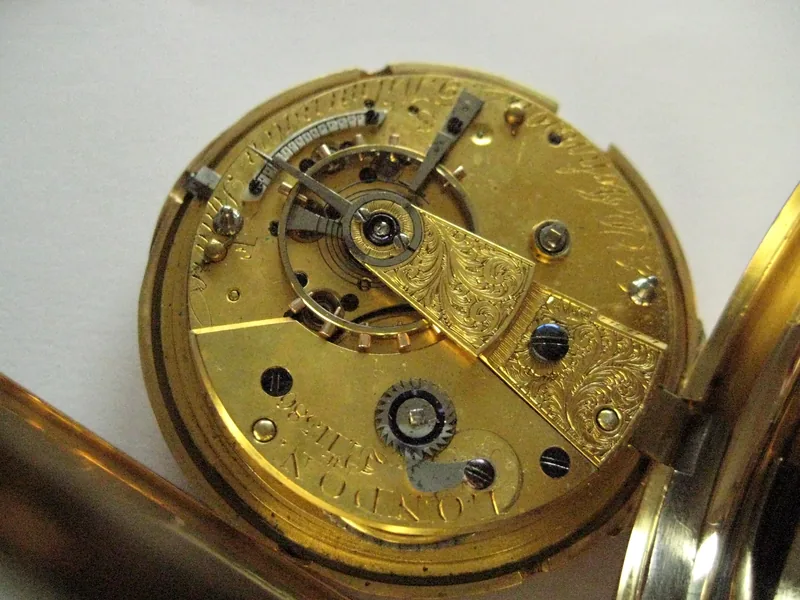
To successfully convert felsa 18s pocket watch into wristwatch status is to bridge two distinct eras of horological philosophy. It transforms a stationary, pocket-bound instrument engineered in the early 20th century into an expressive, wearable piece of mechanical art for the contemporary wrist. The sweeping motion of the oversized balance wheel, visible through a sapphire display caseback, offers a visual spectacle that no modern mass-produced caliber can truly replicate. The slow, rhythmic 18,000 vph beat rate serves as a tactile reminder of the incredible craftsmanship that defined early Swiss ébauche manufacturing.
Ultimately, these ambitious conversion projects require a harmonious balance between historic respect and technical ingenuity. From laser-welding contoured lugs and turning bespoke stem extensions to poising balance wheels for multidirectional wear, every stage of the process demands uncompromising precision. When executed by a skilled artisan, a converted Felsa 18s wristwatch transcends being a mere novelty; it becomes a functional heirloom that preserves the legacy of Felsa S.A. for generations to come.