1. Historical Background of Illinois 12L Movements
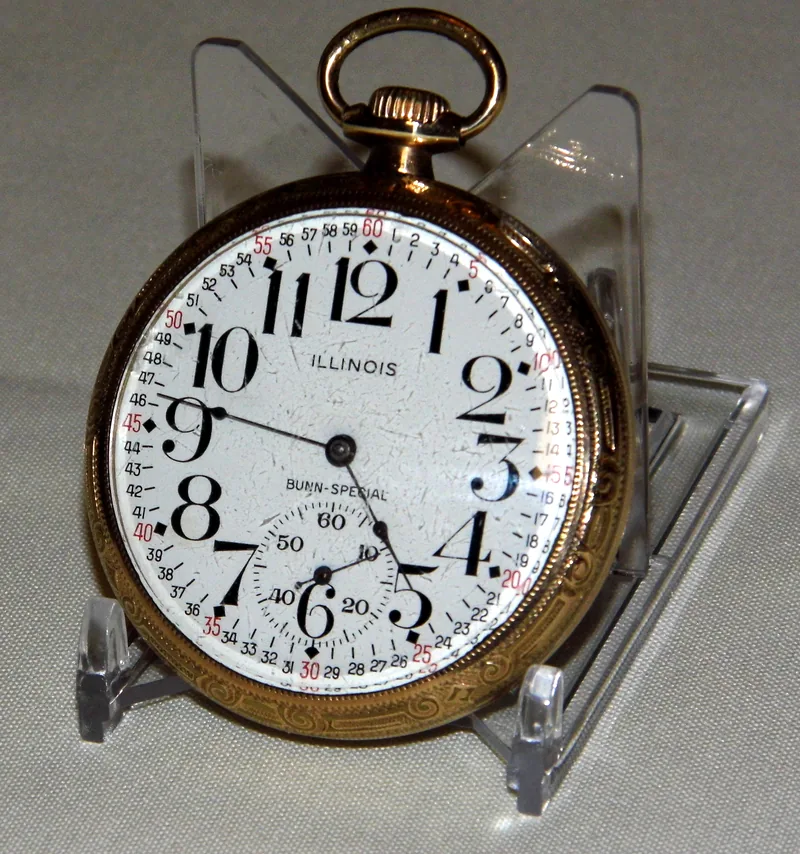
The Illinois Watch Company, established in Springfield, Illinois, in 1869, stands as one of the quintessential pillars of American horological engineering. While the company initially achieved legendary status through its robust 18-size and 16-size railroad-grade pocket watch calibers, the early 20th century brought a dramatic shift in consumer aesthetics and wearability. By the late 1910s and early 1920s, the market demanded slimmer, lighter, and more elegant timepieces. In response, Illinois refined its 12-size (often designated as 12L or 12-ligne equivalent in European terms, though natively based on the American sizing scale) movements, creating some of the finest high-grade dress watch mechanisms ever produced on American soil.
Models such as the Illinois "A. Lincoln," "Autocrat," "Aristocrat," and high-jeweled iterations of the Grade 405 and Sangamo Special 12-size variants demonstrated that a smaller caliber did not require a compromise in precision. These movements featured exquisite nickel plating, intricate damaskeening (such as ray-sunburst and radial wave patterns), raised gold jewel settings, and adjusted temperature/position escapements. During the transition era, as soldier-modified timepieces gained popularity on western fronts—a phenomenon seen in authentic WW1 trench watches—the horological world began tilting permanently toward the wrist. However, traditional 12-size Illinois movements remained housed in pocket watch cases throughout the Roaring Twenties until Hamilton acquired the Illinois Watch Company in 1927.
Today, vintage watchmakers and custom horologists frequently select these 12-size calibers for modern custom projects. When enthusiasts decide to convert illinois 12L pocket watch into wristwatch configurations, they are not merely building a custom timepiece; they are resurrecting a high-grade piece of American industrial history that was originally built to last several lifetimes under proper bench care.
2. Technical Specifications and Movement Architecture
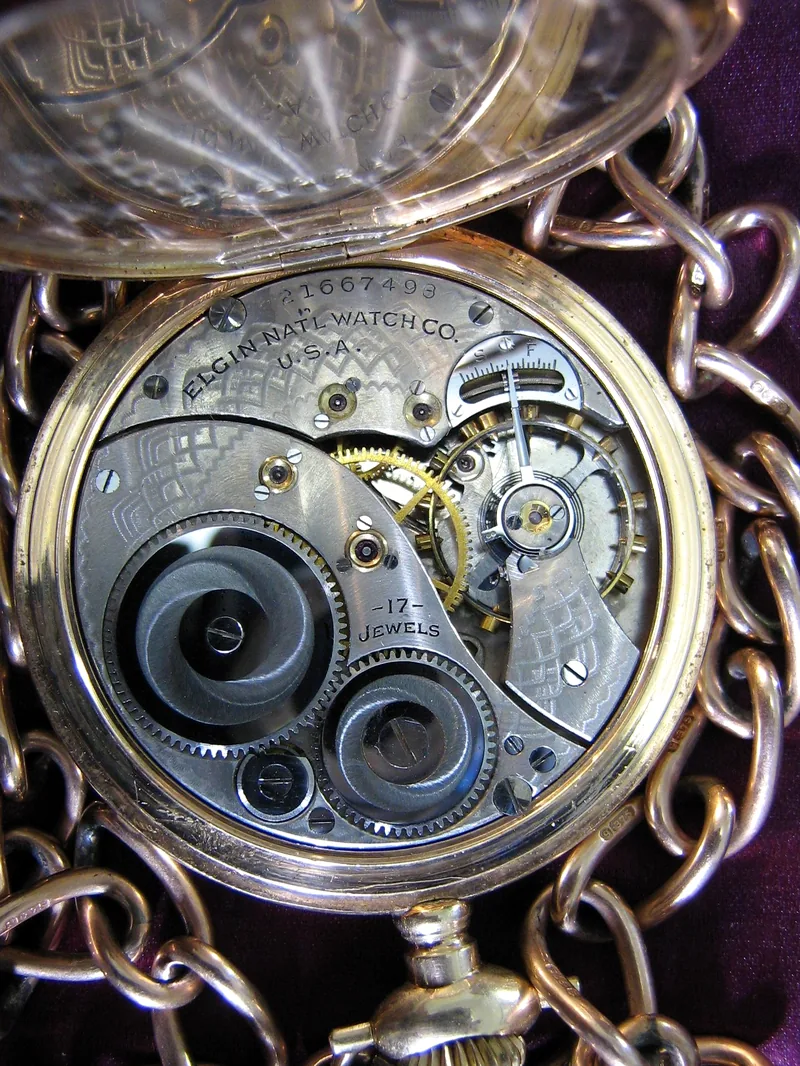
Understanding the dimensional and structural architecture of the Illinois 12-size movement is essential before attempting a conversion. Under the American watch sizing standard, a 12-size movement measures 1.5 inches plus (12 x 1/30 inch), which equals exactly 1.566 inches or approximately 39.78 mm to 39.80 mm in plate diameter. This diameter translates to roughly 17.5 to 17.75 French lignes in Swiss measurement terms. The standard plate thickness generally ranges between 4.5 mm and 5.5 mm depending on the specific grade, bridge design, and center wheel assembly.
From an architectural standpoint, Illinois 12L movements were produced in both open-face (Lépine style) and hunting-case (Savonnette) configurations, featuring finger-bridge, three-quarter plate, or split-bridge layouts. Key technical specifications common across popular 12S Illinois grades include:
- Pillar Plate Diameter: ~39.78 mm
- Jewel Count: Ranging from 17-jewel (standard grade) to 21 or 23-jewel (ultra-high grade with ruby and sapphire caps).
- Escapement: Cut bimetallic compensating balance wheel with heavy gold timing screws, paired with a Breguet overcoil hairspring.
- Regulation: Micro-metric regulator systems, including the famous Reed spring regulator or Illinois patent friction-style micrometer adjusters.
- Train Speed: Traditional 18,000 vibrations per hour (vph), operating at a smooth 2.5 Hz frequency.
- Setting Mechanism: Predominantly sleeve-set (negative setting mechanism) housed within the pocket watch case tube, though some rare grades utilize lever-set or positive setting mechanisms.
The overall mechanical stability of the 12L Illinois plate geometry makes it an exceptional candidate for re-housing, provided the bench technician respects the precise tolerance limits of the mainplate edges and stem alignment height.
3. Challenges of Converting Illinois 12L to Wristwatch
While the prospect of wearing an American masterpiece on the wrist is compelling, attempting to convert illinois 12L pocket watch movements presents distinct technical hurdles. The primary obstacle is the vintage American setting system. Unlike modern Swiss wristwatches that employ a positive-setting system (where the setting works, yoke, and setting lever are fully contained within the movement mainplate), most 12-size Illinois movements rely on a negative-setting system. In a negative system, a split sleeve located inside the original pocket watch case neck holds the stem in place and biases it between the winding and setting positions. When removing the movement from its original case, you lose this sleeve mechanism unless custom stem sleeves or modern conversion sleeves are retrofitted.
The second major challenge is shock resistance—or the complete lack thereof. Vintage Illinois 12L movements utilize balance staff pivots with diameters often measuring less than 0.09 mm, running in rigid jewel settings without spring-loaded shock absorbers like Incabloc or KIF systems. Wearing a 12L movement on the wrist subjects it to wrist motion, accidental impacts, and vibration that pocket watches rarely experienced in a vest pocket. A minor drop that a modern sports watch would endure without issue can instantly snap a balance pivot on an unprotected Illinois movement.
Finally, dust and moisture protection pose a constant threat. Original pocket watch cases relied on snap-on or screw-off bezels and casebacks without synthetic O-rings or rubber gaskets. When designing an illinois 12L pocket watch to wrist conversion, the movement must be sheltered in an environment that prevents skin humidity, sweat, and airborne particulates from contaminating the delicate steel pinions and mainspring barrel assemblies.
4. Lug Welding and Case Selection
Selecting the proper housing is arguably the most critical structural decision in the conversion process. When considering the best case size for illinois 12L conversion, watchmakers must balance wrist ergonomics with the physical dimensions of the movement. Because the 12L plate diameter measures roughly 39.8 mm, the absolute minimum outer case diameter required to maintain structural wall strength is 42 mm, with 43 mm to 44 mm being the sweet spot for modern wrist proportions.
There are two primary approaches to case selection and construction:
1. Custom CNC Stainless Steel Conversion Cases: Modern watchmakers frequently utilize bespoke 316L stainless steel cases built specifically for pocket watch movements. These cases feature internal stepped movement spacer rings, threaded exhibition casebacks fitted with sapphire crystals, double O-ring crown tubes, and integrated spring bar lugs (or screw-in lug bars). A 43 mm case diameter allows for a movement ring that securely cradles the 12L pillar plate while keeping the overall thickness under 12 mm, yielding optimal comfort on the wrist.
2. Vintage Case Modification & Wire Lug Welding: For an authentic heritage look reminiscent of early 20th-century piece conversions, builders sometimes modify an original silver, nickel, or gold-filled 12-size pocket watch case. This process requires micro-TIG (Tungsten Inert Gas) or laser welding to attach solid wire lugs directly to the case perimeter at the 12 and 6 o'clock positions. Precision is critical during thermal joining; excessive heat can distort the case shell, ruin internal bezel threads, or melt silver solder joints on gold-filled stock. Once welded, the lugs are hand-filed, blended, and polished to match the contour of the original case band.
5. Crown and Stem Solutions
Converting the winding and setting apparatus of an Illinois 12L movement demands precision lathe work and a deep understanding of stem geometry. Because the native Illinois 12-size setup typically utilizes an American "negative" friction sleeve setup, the watchmaker must determine how to achieve smooth engagement between winding and hand-setting states within a wrist-wearable architecture.
To overcome the stem challenge, the bench technician usually opts for one of two solutions:
- Positive Conversion Stems: Fabricating or adapting a custom two-part winding stem that converts the internal movement winding square to a standard positive action. This requires fitting a specialized click spring or setting detent inside a modified movement ring, enabling the stem to click firmly between the winding position (pushed in) and the setting position (pulled out).
- Sleeve Adapter Tubes: Threading a custom brass or stainless steel sleeve inside the new case neck tube. This sleeve houses a miniature spring-steel setting clutch that grips the square section of the Illinois winding arbor, replicating the mechanical spring-tension of the original pocket watch pendant.
Stem tap sizing presents another detail to manage. Original Illinois 12S stems often featured proprietary American tap threads (such as Tap 10 or custom fine threads). To fit modern vintage-style onion or pumpkin crowns—which typically feature standard metric Swiss threading (Tap 0.9 mm / Tap 10 or Tap 1.2 mm / Tap 6)—the watchmaker must turn down the stem end on a watchmaker's lathe and cut new threads using micro-dies, or silver-solder a stem extender sleeve with the appropriate female-to-male thread pitch adapter.
6. Dial and Hand Considerations
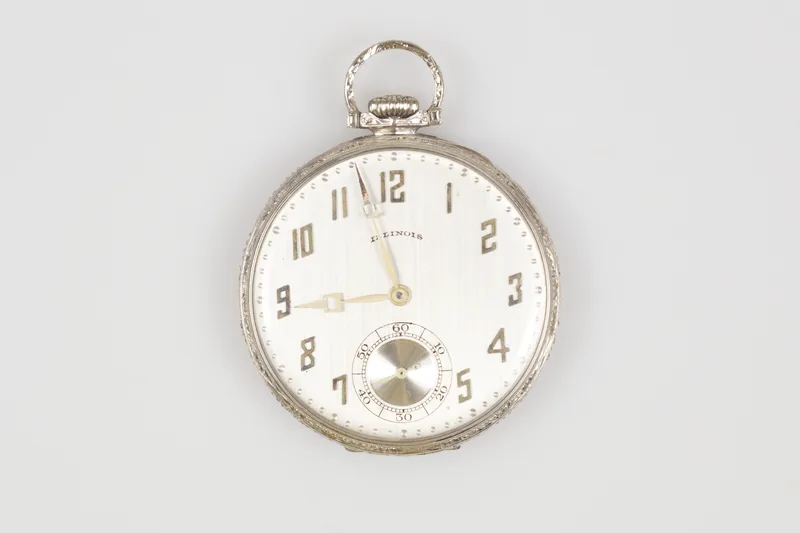
The mechanical orientation of the movement dictates the visual layout of the watch face. Standard open-face (Lépine) Illinois 12L movements feature the winding stem at 12 o'clock and the running sub-seconds register at 6 o'clock. When you turn this movement inside a wristwatch case so that the stem sits at the traditional 3 o'clock position, the small seconds sub-dial moves to the 9 o'clock position. This "stem-at-3, sub-seconds-at-9" layout is the signature aesthetic of open-face conversions, offering a distinctive military/vintage appearance similar to early pilot timepieces.
If a 6 o'clock sub-seconds layout is preferred, the builder must either source a hunter-case movement (where the stem was originally at 3 o'clock relative to the dial) or utilize a custom-printed dial with rotated numeral alignment. However, preserving original enamel dials is heavily favored by purists in the field of antique pocket watch conversions. Original Illinois double-sunk vitreous enamel dials feature crisp typography and sink rings, but they are exceptionally brittle. Removing dial feet or modifying dial plate dimensions must be done with immense caution to avoid spiderweb cracking or chipping near the center hole.
Hand mounting requires delicate fitting under microscopic inspection. Illinois 12-size hand post diameters do not match modern Swiss standards (ETA or Unitas sizes). The center cannon pinion and hour wheel tube require hand friction-fitting using hand-staking tools. The minute hand hole size must be broached carefully with a diamond reamer to fit the square-tapered or round arbor of the Illinois train. Similarly, the second hand socket must be adjusted to press down cleanly onto the extended fourth-wheel pivot without rubbing against the sub-dial surface or interfering with the crystal clearance above.
7. Why 12L is More Common for Conversion
Among the vast array of American pocket watch movements—ranging from massive 18-size railroad timekeepers down to petite 0-size ladies' pendant movements—the 12-size caliber reigns supreme for custom wrist conversions. The reasons for this preference become obvious when evaluating wearability, structural robustness, and historical availability.
An 18-size movement (approx. 44.8 mm plate) requires a finished case diameter of 48 mm to 52 mm, resulting in an oversized, heavy watch that feels cumbersome on standard wrists. A 16-size movement (approx. 43.2 mm plate) leads to a finished case size of 46 mm to 48 mm—wearable for some, but still pushing the boundaries of daily ergonomics. The 12-size movement, by contrast, allows for a finished watch diameter of 42 mm to 44 mm. This places the completed piece squarely in the popular modern sizing window occupied by modern hand-wound wristwatches like the Panerai Luminor or IWC Portuguese, while maintaining proportional weight distribution.
Furthermore, Illinois 12L movements were produced during the height of American manufacturing excellence. The high production volume of grades like the 405, Autocrat, and A. Lincoln means that donor movements and repair parts (such as mainsprings, balance staffs, and jewel settings) remain accessible to dedicated horologists. When compared to rare high-end Swiss calibers found in historical vintage Rolex wristwatches or early chronometers, the Illinois 12-size offers an unmatched combination of high-grade finishing—such as gold center wheels, micro-adjusters, and polished damaskeening—at a accessible entry point for custom build projects.
8. Final Thoughts on Illinois 12L Conversions
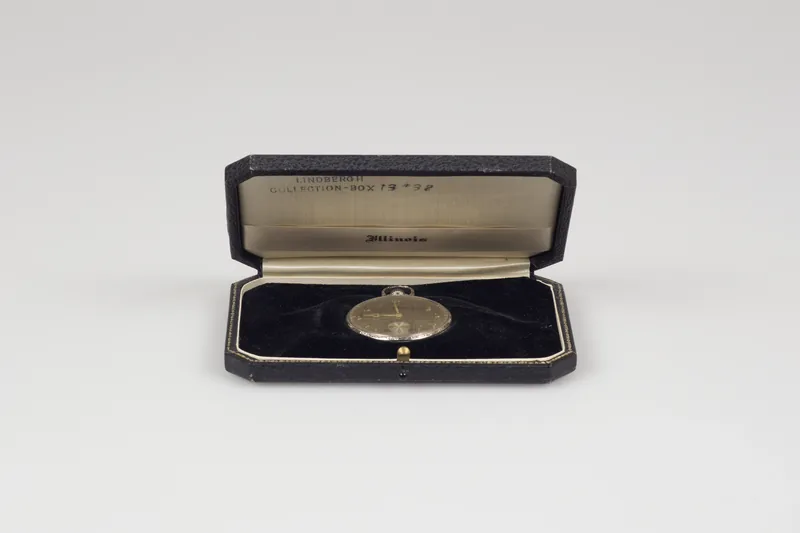
Successfully undertaking an illinois 12L pocket watch to wrist conversion is a rewarding endeavor that bridges the gap between early 20th-century American manufacturing and contemporary horological fashion. When executed with respect for the original engineering, a converted 12L timepiece breathes new life into a mechanical masterpiece that might otherwise spend decades forgotten in a drawer or cabinet.
The key to a successful conversion lies in uncompromising bench standards: addressing the negative setting system with proper sleeve geometry, ensuring movement security through precision spacer rings, housing the mechanicals in a suitably sized 42 mm to 44 mm water-resistant case, and safeguarding fragile components like the balance pivots and enamel dial. By adhering to these practices, watchmakers ensure that the legacy of the Illinois Watch Company continues to beat reliably—not hidden in a vest pocket, but proudly displayed on the wrist for generations to come.