Historical Background of Lemania 14s Movements
Founded in 1884 by Alfred Lugrin in L'Orient, Switzerland, Lemania (originally operating as A. Lugrin & Cie) established itself as one of the premier movement manufacturers in the Vallée de Joux. Renowned for their exceptional chronograph complications, timing instruments, and high-grade base calibers, Lemania built a reputation for mechanical resilience and horological precision. Throughout the early to mid-20th century, the manufacture produced millions of high-grade pocket watch ebauches that powered timepieces for military forces, industrial sectors, and premier Swiss brands alike.
Among their most prized mid-sized movements was the 14-ligne (14''') pocket watch caliber family, commonly referred to in technical circles and conversion workshops as the Lemania 14s. Manufactured during an era when pocket watches were gradually transitioning into wrist-worn instruments, these 14-ligne movements were designed with slim profiles and robust keyless works. They bridged the gap between large 18-ligne open-face pocket watches and smaller 10.5-to-12-ligne wrist movements, offering superior timekeeping due to their generous balance wheel diameter without the unwieldy physical bulk of traditional pocket timepieces.
During World Wars I and II, Lemania was a major supplier of precise, legible pocket chronometers and three-hand timekeepers for military commanders and naval officers. As pocket watches fell out of fashion in favor of wrist-worn units, thousands of these beautifully decorated 14s Lemania movements—featuring Geneva stripes, polished bevels, and cut bimetallic balance wheels—remained preserved in gold or silver pocket cases. Today, watchmakers and custom horologists frequently select these historical calibers to create bespoke wristwatches, giving a second life to some of the finest Swiss mechanical engineering of the 20th century.
Technical Specifications and Movement Architecture
To successfully execute a conversion, a watchmaker must first understand the architectural nuances of the Lemania 14s caliber family. Measuring approximately 31.58mm to 31.80mm in diameter (14 French lignes), the movement possesses a profile that balances dimensional strength with slender elegance. Operating at a traditional beat rate of 18,000 vibrations per hour (2.5 Hz), the movement delivers a classic, steady sweep of the seconds hand while maintaining low wear on the escapement components.
The movement architecture typically features a classic Swiss finger-bridge or three-quarter plate configuration. The gear train is constructed with high-grade brass or gilded plates, cut steel pinions, and balance assemblies featuring Breguet overcoil balance springs coupled with screw-compensated balance wheels. Depending on the grade and intended application—civilian versus military deck watch—jewel counts range from 15 to 17 jewels, with high-end executions employing screw-set gold chatons for the upper train pivots.
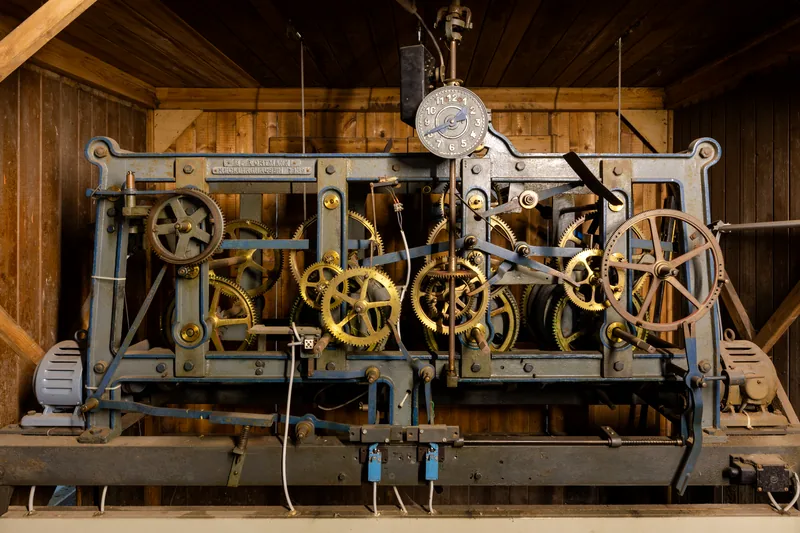
Below is a summary of the standard technical specifications for a typical Lemania 14s three-hand pocket watch movement:
- Movement Diameter: 14 Lignes (approx. 31.58mm - 31.80mm)
- Movement Height: Approx. 3.8mm to 4.2mm (varies by bridge design)
- Frequency: 18,000 VPH (2.5 Hz)
- Power Reserve: Approximately 38 to 42 hours
- Escapement: Swiss lever with ruby pallets
- Balance Spring: Nivarox or steel Breguet overcoil
- Jewel Count: 15 to 17 jewels (friction-set or screwed chatons)
- Keyless Work: Positive winding and setting mechanism (stem-set)
Challenges of Converting Lemania 14s to Wristwatch
When prospective clients or enthusiasts approach a master bench, the primary question is always: can you convert lemania 14s pocket watch movements into wearable modern wristwatches? The answer is yes, but the process requires significant horological adaptation, machining skills, and a deep understanding of vintage component tolerances. It is not merely a matter of dropping a pocket watch movement into an off-the-shelf wristwatch case.
The first major challenge involves shock protection—or the total lack thereof. Vintage Lemania 14s calibers were engineered to sit safely inside a vest pocket, relying on heavy pocket watch cases for protection. Standard 14s movements lack modern Incabloc or KIF shock absorption settings on the balance staff pivots. The balance pivots on a 14s caliber are microscopic—often measuring between 0.08mm and 0.11mm in diameter. On the wrist, a sudden impact or dropped watch can instantly bend or snap an unshockproof balance staff pivot. Watchmakers must either retrofit modern shock settings or inform the owner that the resulting piece requires careful wear.
The second challenge involves dial orientation and configuration. The Lemania 14s movement was manufactured in both Lépine (open-face, stem at 12 o'clock, sub-seconds at 6 o'clock) and Savonnette (hunter-case, stem at 3 o'clock, sub-seconds at 6 o'clock) layouts. If you attempt to convert lemania 14s pocket watch into wristwatch using an open-face movement, placing the crown at 3 o'clock shifts the sub-seconds register to 9 o'clock. If you want the winding crown at 3 o'clock with running seconds at 6 o'clock, you must specifically source a rare Savonnette configuration or redesign the dial layout entirely.
Lug Welding and Case Selection
Selecting or fabricating an appropriate case is the most crucial structural step in the project. Because pocket watch movements do not conform to modern ETA or Sellita casing dimensions, finding or machining a dedicated lemania 14s pocket watch to wrist conversion case is mandatory. The inner movement chamber, casing ledge, and movement tab positions must be precision-machined to hold the 31.5mm movement securely without applying lateral pressure to the balance cock or bridge plates.
Historically, early 20th-century watchmakers adapted pocket watches by silver-soldering wire lugs directly onto brass or silver pocket cases, similar to the construction found on authentic WW1 trench watches. While this traditional lug welding technique preserves the original pocket watch case, it yields a very large wristwatch that lacks modern water resistance, gasket sealing, and sapphire crystal scratch protection. Modern conversions typically favor custom 316L stainless steel, titanium, or solid bronze cases engineered specifically for 14-ligne calibers.
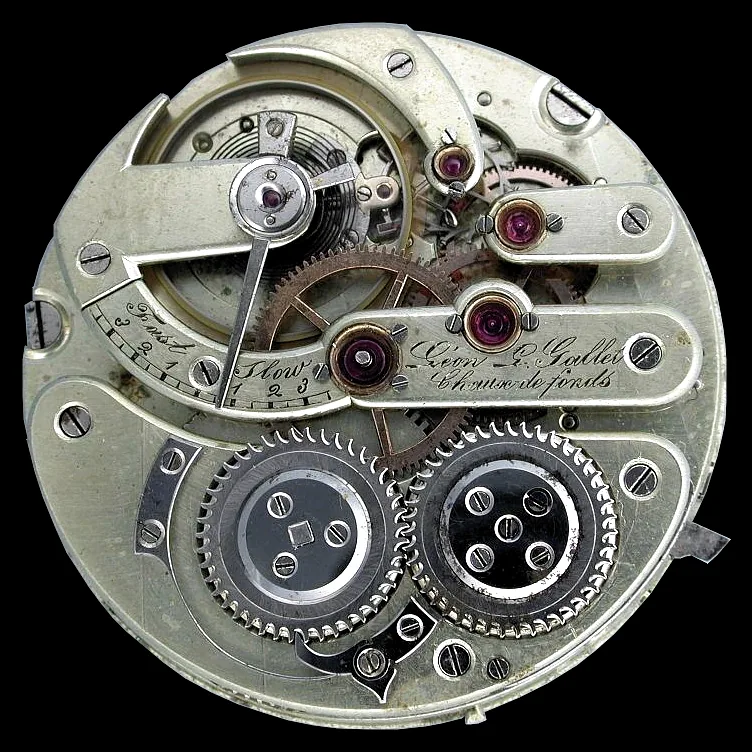
When machining a custom conversion case, the watchmaker must incorporate internal movement rings or custom casing clamps (tabs). The casing ring cushions the movement, absorbs wrist vibrations, and ensures that the winding stem aligns perfectly with the case tube orifice. A discrepancy of even 0.05mm in height alignment between the keyless works and the crown tube will cause the winding stem to bind, leading to snapped stems or premature wear on the castle and crown wheels.
Crown and Stem Solutions
The interface between the crown, stem, and movement keyless works represents one of the most mechanically delicate aspects of any pocket-to-wrist transformation. Lemania 14s pocket watches originally utilized long, thick winding stems tailored to thick pocket watch pendant tubes. Modern wristwatch cases utilize shorter, spring-loaded crown systems designed to seal against dust and moisture.
Because original Lemania stems rarely feature threads that match modern wristwatch crowns (such as standard Tap 9 or Tap 10 threads), the watchmaker must often manufacture a custom stem on a micro-lathe or turn down a stem extension. The original stem pivot end, square section (which engages the sliding pinion), and winding arbor groove must be meticulously maintained to preserve smooth engagement between the winding and hand-setting modes.
Furthermore, because pocket watches were wound daily by hand, the friction within the keyless works must be minimized. The watchmaker must install high-grade silicone gaskets inside an oversized onion or diamond-shaped vintage crown. This provides adequate grip for manual winding while providing a dust-tight seal around the case tube, protecting the delicate internal components from humidity and airborne particulate matter.
Dial and Hand Considerations
Preserving or redesigning the dial and hands of a Lemania 14s caliber requires delicate craftsmanship. Original 14s dials were typically made of fired vitreous enamel over copper plates or silvered brass. Vitreous enamel dials are prone to micro-fracturing or cracking during disassembly, especially if the dial feet are bent or clamped unevenly during the recasing process.
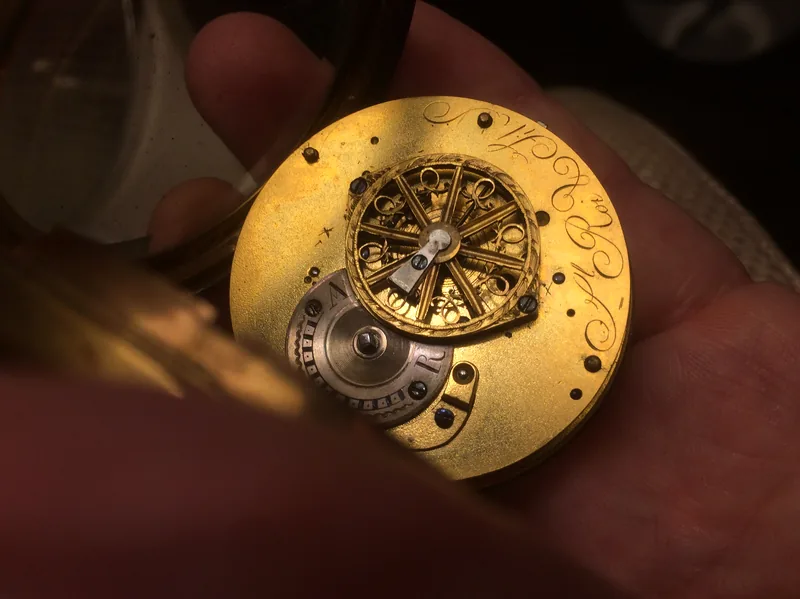
When transferring an original dial to a custom conversion case, the watchmaker must often adjust or resolder the dial feet to align with the new movement ring mounting positions. If an original enamel dial is damaged beyond repair, a custom brass or silver dial must be fabricated, engine-turned (guilloché), and finished. Care must be taken regarding cannon pinion height; the hour wheel pipe, cannon pinion, and fourth wheel pivot must extend high enough above the dial surface to clear both the hour and minute hands without touching the underside of the front sapphire crystal.
Hand fitting presents its own set of technical demands. Pocket watch hands feature larger mounting hole diameters than standard modern wristwatch hands:
- Hour Hand Hole Diameter: Typically 1.50mm - 1.80mm
- Minute Hand Hole Diameter: Typically 0.90mm - 1.00mm
- Small Seconds Hole Diameter: Typically 0.18mm - 0.22mm
If original hands are missing or damaged, modern hands must be custom-broached or bushed using tiny brass collars to achieve a snug, friction-fit press onto the Lemania arbors without causing binding or damaging the balance wheel clearance beneath.
Why 14s is More Common for Conversion
Among watch collectors and custom horologists specializing in antique pocket watch conversions, the 14-ligne (14s) movement is widely considered the ultimate candidate for wrist conversion. Larger American pocket watch sizes, such as 16-size (approx. 43.18mm movement diameter) or 18-size (approx. 44.86mm), result in massive wristwatches with case diameters exceeding 48mm to 52mm. These oversized pieces are often impractical and uncomfortable for daily wear.
Conversely, the 14s Lemania caliber—with its 31.5mm movement diameter—fits inside a finished wristwatch case measuring between 38mm and 41mm in outer diameter. This is the classic "sweet spot" for modern wrist proportions, matching the wearability of iconic vintage chronographs and sports watches while housing a high-grade, historic pocket watch caliber inside.
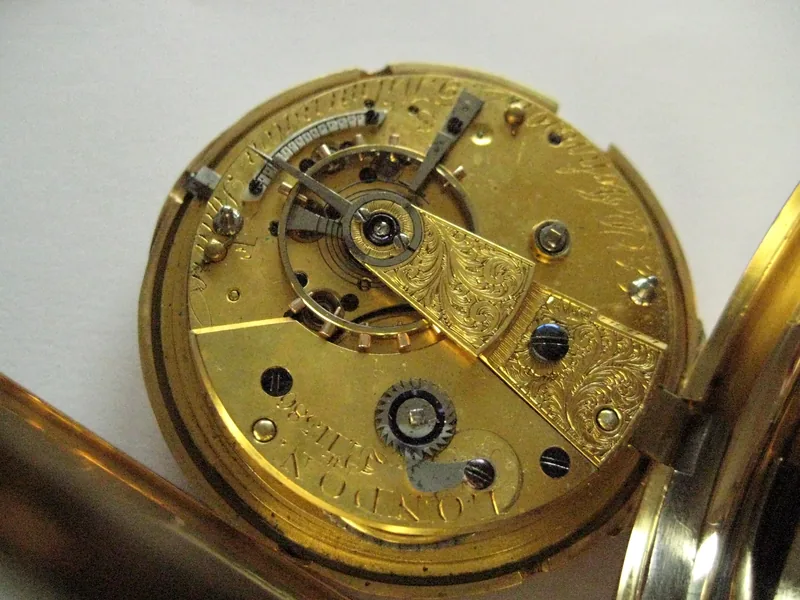
Furthermore, Lemania produced its 14-ligne movements in substantial quantities with standardized Swiss parts interchangeability. Unlike bespoke 19th-century English lever pocket watches, which featured hand-filed individual components, Lemania 14s calibers benefit from consistent manufacturing tolerances. This makes sourcing replacement mainsprings, balance staffs, and keyless works components far more practical for the restoring watchmaker.
Final Thoughts on Lemania 14s Conversions
To successfully convert lemania 14s pocket watch into wristwatch form is to bridge two distinct eras of horological history. It transforms a dormant pocket watch—often sitting unused in a drawer or stripped of its precious metal case—into a functional, wearable piece of mechanical art. The rich heritage of Lemania, combined with the classic architecture of a 14-ligne Swiss movement, yields a wristwatch that stands out in any collection.
However, undertaking such a project requires patience, precision, and respect for technical limits. From selecting an engineered lemania 14s pocket watch to wrist conversion case to adjusting stem alignment, hand clearances, and balance amplitude, each phase of the build requires master-level bench skill. When executed correctly, the result is an extraordinary timepiece: a unique Swiss balance swinging at 18,000 beat rate, visible through a sapphire display caseback, preserving the legacy of Alfred Lugrin’s manufacture for another generation.