1. Historical Background of Valjoux 16s Movements
The story of the Valjoux 16-size (or 16-ligne) pocket watch movement is inextricably linked with the rise of modern chronograph manufacturing in the Vallée de Joux, Switzerland. Originally founded as Reymond Frères SA by brothers John and Charles Reymond in 1901, the company eventually rebranded as Valjoux (a contraction of Vallée de Joux) to reflect its deep geographic and cultural ties to Swiss high horology. During the early decades of the twentieth century, Valjoux established itself as the preeminent master of complex, high-grade chronograph mechanisms, supplying raw ebauches to elite houses such as Patek Philippe, Audemars Piguet, Vacheron Constantin, and eventually contributing to iconic vintage Rolex wristwatches.
The 16s pocket watch caliber was birthed during a pivotal transitional era when timekeeping was migrating from the waistcoat pocket to the wrist. Measuring approximately 36mm to 38mm in movement diameter (depending on the specific baseline caliber such as the Valjoux 61 or 77 variants), the 16-ligne size served as the golden standard for precision pocket chronographs used by military navigators, railway conductors, scientific researchers, and sports timers. These movements were prized for their incredible thermal stability, generous power reserve, and meticulously hand-finished steel components, which featured hand-beveled edges (anglage), straight-grained levers, and mirror-polished column wheels.
As wristwatches rapidly eclipsed pocket timepieces in the post-WWI era, many of these glorious 16s pocket watch movements were left dormant inside gold or silver pocket cases. In contemporary restoration workshops, horologists recognize that these calibers represent the pinnacle of traditional Swiss architecture. Deciding to convert valjoux 16s pocket watch into wristwatch configurations allows master craftsmen to preserve a living artifact of horological history while breathing new utility into a movement that would otherwise remain hidden inside a collector’s safe.
2. Technical Specifications and Movement Architecture
To fully appreciate the engineering required to convert a Valjoux 16s movement, one must examine its mechanical anatomy. The movement architecture typically revolves around a traditional column-wheel mechanism, which acts as the command center for starting, stopping, and resetting the chronograph functions. Unlike modern modular or cam-actuated chronographs, the classic 16s Valjoux movement uses a solid steel column wheel with hand-cut pillars, engaging a series of finely tensioned operating levers. The drive is transmitted via a lateral coupling clutch, where a driving wheel mounted on the fourth wheel arbor pivots physically to engage the chronograph center wheel.
Technically, these calibers generally run at a traditional frequency of 18,000 vibrations per hour (2.5 Hz), utilizing a large, high-inertia balance wheel equipped with gold or brass timing screws and a Breguet overcoil balance spring. The power delivery stems from a heavy-duty mainspring barrel driving a center wheel, third wheel, fourth wheel, and escape wheel setup. Depending on the exact specification, jewel counts range from 15 to 23 functional rubies, with upper-tier iterations incorporating screwed gold chatons and endstones for the escape wheel and balance arbors.
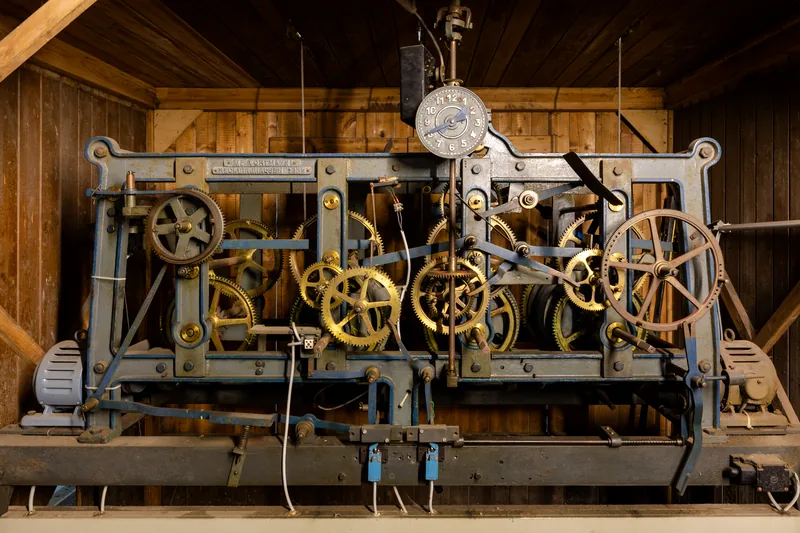
The dimensional profile of the 16s Valjoux caliber is what makes it both a dream and a technical challenge for the modern watchmaker. With a movement plate diameter hovering around 36.0mm to 36.6mm and an overall height (including the central chronograph bridge and sweep second runner) often exceeding 6.5mm to 7.5mm, the movement possesses structural integrity that modern ultra-thin calibers cannot match. The generous spacing between the bridges grants exceptional visual clarity, revealing the intricate dance of the hammer, reset lever, and coupling clutch during operation.
3. Challenges of Converting Valjoux 16s to Wristwatch
When clients ask, "can you convert valjoux 16s pocket watch movements into reliable wristwatches?", the technical answer is always yes—but with significant qualifications. The primary hurdle stems from shock absorption. Pocket watch movements built in the early 20th century were designed to sit vertically in a vest pocket, shielded from direct physical impacts. Consequently, early Valjoux 16s balance arbors lack modern shock protection systems like Incabloc or KIF. Converting one for daily wrist wear requires a delicate hand; a sudden drop or sharp wrist motion can easily snap the delicate, micro-turned balance pivots.
Another profound challenge lies in the stem and crown orientation relative to the movement layout. Pocket watches are historically categorized into two configurations: Lépine (open-face) movements, where the winding stem is located at 12 o'clock in line with the sub-seconds dial at 6 o'clock, and Savonnette (hunter) movements, where the stem sits at 3 o'clock with sub-seconds at 9 o'clock. When adapting a Lépine 16s chronograph movement for the wrist, placing the crown at 3 o'clock will rotate the entire dial, placing the 12 o'clock marker at the 3 o'clock position unless a custom dial re-orientation is engineered.
Furthermore, managing the chronograph pushers poses a geometry puzzle. A monopusher pocket chronograph features a single actuator integrated directly through the center of the winding stem or positioned at a fixed angle on the perimeter. Aligning these internal pusher levers with external case pushers in a modern wrist housing demands sub-millimeter tolerances. Misalignment by even a fraction of a millimeter can result in jammed operating levers, incomplete reset action, or permanently binding steel springs.
4. Lug Welding and Case Selection
Selecting or fabricating the proper valjoux 16s pocket watch to wrist conversion case is the cornerstone of any successful conversion project. There are two primary methodologies employed by master watchmakers today: traditional lug welding onto an original antique case, or modern CNC-machined conversion cases specifically engineered to house 16-size movements. Each approach presents distinct aesthetic and structural considerations.
The historical method involves taking the original pocket watch shell—often made of sterling silver, solid gold, or nickel-plated brass—and micro-welding or hard-soldering custom lugs directly onto the perimeter at the 12 o'clock and 6 o'clock positions. This technique preserves the original antique housing but requires immense caution. Excessive heat applied during soldering can warp the case middle, ruin original hand-engraving, or distort the bezel threads. TIG welding or specialized laser welding techniques are preferred today to minimize heat transfer, allowing wire lugs or modern curved lugs to be fused cleanly to the vintage body.
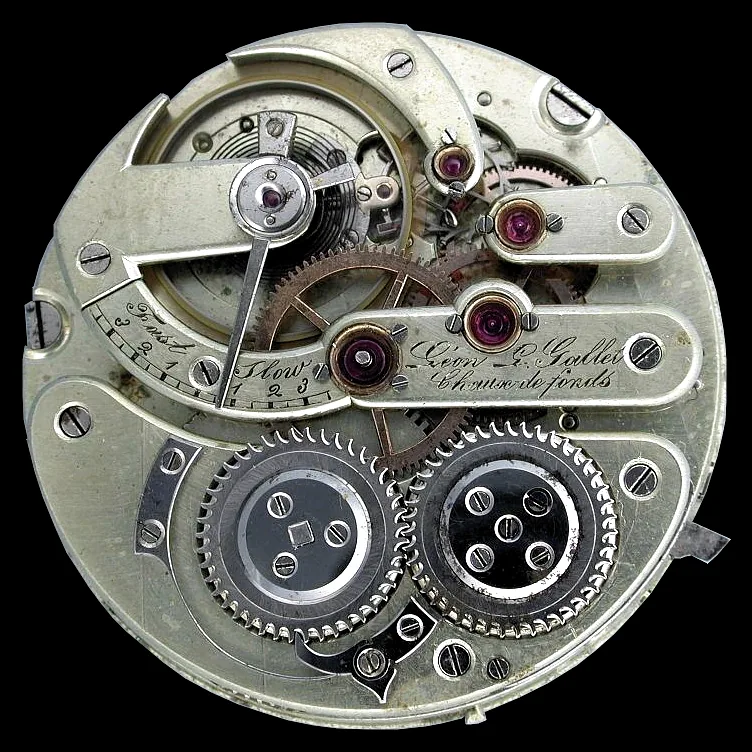
The alternative, highly reliable modern path is to utilize a custom 316L stainless steel conversion case crafted precisely for the 16s Valjoux specification. These cases are engineered with internal step-rings, Teflon or brass movement retention spacer rings, and screw-down exhibition casebacks fitted with sapphire crystals. Given that a finished 16s conversion watch typically measures between 42mm and 45mm in total case diameter, lug geometry becomes vital for wearable ergonomics. Lugs must feature a pronounced downward curvature (curved down toward the wrist) to prevent the oversized timepiece from sitting awkwardly flat on the wearer's arm.
5. Crown and Stem Solutions
Achieving smooth winding, crisp hand-setting, and flawless chronograph actuation requires custom lathe work and precise stem geometry. Original pocket watch stems were constructed for thick pocket watch necks and large, onion-style winding crowns. When fitting a 16s movement into a custom wristwatch case, the original stem is almost always too short, improperly threaded, or incompatible with modern case tube O-rings meant to resist moisture and dust penetration.
A watchmaker must turn a custom winding stem on a precision watchmaker's lathe (such as a Bergeon or Schaublin lathe) using hardened steel, or carefully fit a high-grade stem extension with red thread-locking compound. The stem must be turned down to match the exact internal diameter of the new case tube. The winding square—the square portion of the stem that engages the winding pinion and clutch wheel—must mate perfectly with zero play. If the stem square is undersized, slipping will occur during winding; if oversized, setting the time will feel gritty and risk stripping the motion work teeth.
Crown selection is equally critical. For a converted 16s chronograph, the crown must provide enough tactile leverage to wind the heavy-duty mainspring while remaining aesthetically proportionate to the vintage movement inside. Large onion, pumpkin, or diamond-shaped crowns are historically appropriate and offer excellent grip. Internal rubber gaskets inside the crown assembly are essential to create a barrier against ambient humidity, though watchmakers must advise clients that these converted timepieces should never be considered water-resistant in modern sports-watch terms.
6. Dial and Hand Considerations
Dials on original 16s Valjoux pocket watches are frequently works of art in their own right, crafted from double-sunk vitreous enamel or engine-turned silver. However, transferring an original enamel dial to a new wristwatch case is fraught with danger. Vitreous enamel is essentially glass fused to a copper plate; age, temperature shifts, and stress from dial feet screws cause severe micro-fissures (hairline cracks). Removing dial feet or re-soldering feet to fit a new case layout can shatter the delicate enamel surface instantly.
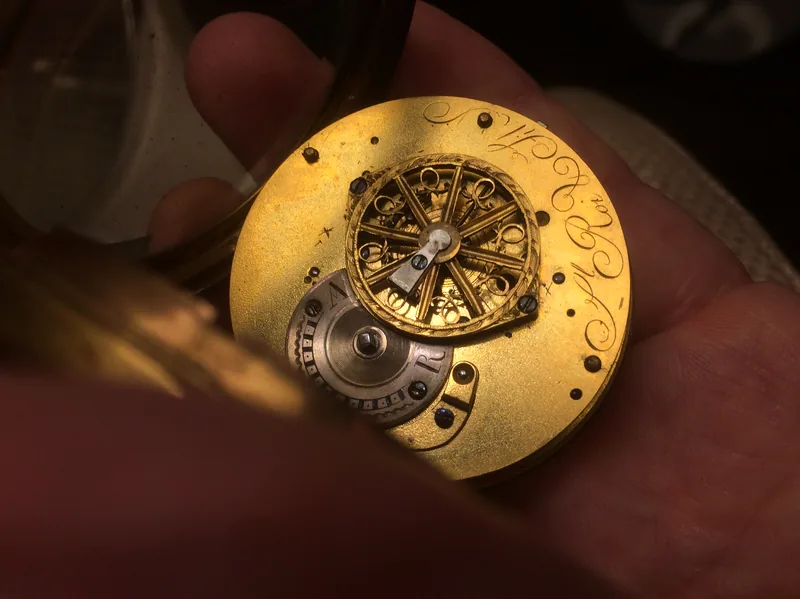
If the original dial cannot be adapted, watchmakers turn custom brass dial blanks, hand-finishing them with traditional silver-plating techniques, grand feu enameling, or pad-printed telemetry/tachymeter scales vintage-matched to the era. Dial foot placement must align precisely with the movement mainplate securing holes. A misaligned dial foot by as little as 0.05mm will cause the center arbor, running seconds arbor, and minute counter arbor to bind against the dial cutouts, bringing the entire movement to a dead halt.
Hand fitting presents its own set of technical hurdles. The hand post diameters (cannon pinion for the minute hand, hour wheel for the hour hand, and sweep second pinion for the central chronograph hand) on 16s pocket movements are significantly larger than standard modern wrist watch hands. Watchmakers must either meticulously re-ream vintage blued-steel hand sockets to fit adjusted arbor heights, or turn down hand bushings on the lathe. Flame-bluing raw steel replacement hands to achieve an authentic peacock-blue oxidation layer completes the restoration, ensuring optimum legibility against the dial face.
7. Why 16s is More Common for Conversion
Among vintage timepieces, why do watchmakers and collectors specifically seek out 16-size movements when choosing to convert valjoux 16s pocket watch into wristwatch builds? The answer lies in the harmony between scale, structural proportions, and modern fashion trends. Larger American pocket sizes, such as 18s (approx. 44.9mm movement diameter), result in finished wristwatches exceeding 50mm in case size—making them unwieldy, top-heavy, and uncomfortable for daily wear. Conversely, smaller 10s or 12s movements often lack the visual grandeur and robust column-wheel architecture that collectors crave in vintage chronographs.
The 16s footprint hits the ultimate sweet spot. A movement diameter of ~36.5mm allows watchmakers to craft a finished wrist case measuring between 42mm and 44mm. This scale aligns seamlessly with modern oversized wrist preferences established by contemporary pilot and marine watches, while honoring the rich legacy of authentic WW1 trench watches that pioneered larger wrist layouts during the early 20th century. Furthermore, 16s movements feature larger gear teeth profiles (modulus), making them far more resilient against gear wear and easier to hand-adjust during servicing compared to tiny wrist chronographs.
To better understand how the 16s caliber compares to other vintage sizes commonly considered for re-casing projects, consider the comparative breakdown below:
| Movement Size | Approx. Movement Diameter | Average Finished Wrist Case Size | Wearability Profile & Mechanical Suitability |
|---|---|---|---|
| 10s / 12s (Ligne 12-14) | 28.5mm – 31.5mm | 36mm – 38mm | Classic vintage dress proportions; highly delicate balance pivots. |
| 16s / Ligne 16 (Valjoux) | 36.0mm – 36.6mm | 42mm – 44mm | Ideal balance; modern wrist presence, excellent serviceability and structural stability. |
| 18s / Ligne 19+ | 43.0mm – 45.0mm | 48mm – 52mm | Extremely large on the wrist; prone to heavy impact due to mass. |
As demonstrated, the 16s platform offers an unmatchable baseline for high-grade antique pocket watch conversions. It yields a wrist presence that feels intentional, commanding, and historically authentic without crossing the threshold into unwearable proportions.
8. Final Thoughts on Valjoux 16s Conversions
Transforming a classic Valjoux 16s movement from a forgotten pocket watch into a bespoke, fully functional wristwatch is one of the most rewarding pursuits in modern bench horology. It is a process that demands equal parts respect for historical preservation and uncompromising micro-engineering skill. When executed correctly by an experienced watchmaker, a converted Valjoux 16s is far more than a simple novelty—it is a wearable masterpiece that bridges more than a century of Swiss mechanical artistry with contemporary watch culture.
Before undertaking or purchasing such a conversion, collectors must appreciate that these timepieces require mindful ownership. Without modern automatic winding, magnetic shielding, or heavy shock systems, a converted 16s chronograph demands thoughtful wearing habits: gently winding the mainspring until feeling light resistance, avoiding sports activities, and keeping the timepiece away from water and strong magnetic fields. In return for this care, the owner gains an intimate visual window into the soul of golden-era Swiss horology.
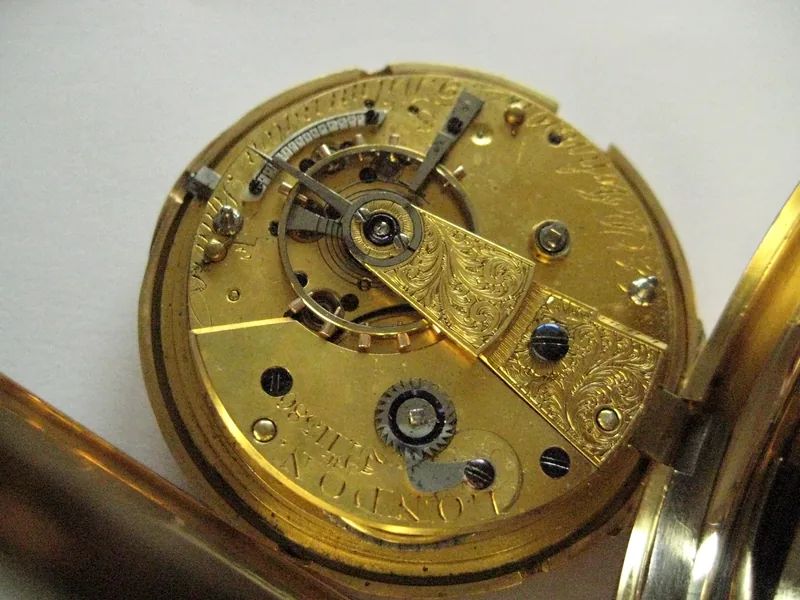
Ultimately, the Valjoux 16s conversion stands as a testament to the enduring genius of early 20th-century watchmakers. Long after the original pocket watch cases have been melted or worn away by time, the mechanical heart of the Valjoux caliber continues to beat reliably on the wrist—a glowing tribute to human mechanical ingenuity that will continue to captivate future generations of watch enthusiasts.