Historical Background of Valjoux 8s Movements
The history of the Valjoux 8s caliber is deeply rooted in the legendary watchmaking sanctuary of the Vallée de Joux, Switzerland. Originally established as Reymond Frères SA in 1901 by brothers John and Charles Reymond, the manufacturer quickly gained an unmatched reputation for producing exceptional chronograph movements and high-grade raw movements, or ébauches. By the time the company officially adopted the name Valjoux—an abbreviation of Vallée de Joux—their mechanical architectures were set as the benchmark for timing accuracy, structural rigidity, and precision finishing throughout the global horological industry.
During the early decades of the twentieth century, the 8s series emerged as an exemplary bridge between traditional pocket horology and modern portable timing. Manufactured during an era when pocket watches were the absolute standard for personal timekeeping, the Valjoux 8s was designed with traditional Swiss layout principles: exposed steel springs, meticulously bevelled bridge edges, and robust wheel train geometry. These movements were supplied to top-tier Swiss watch houses that required precise, dependable movements capable of enduring daily pocket wear while maintaining tight chronometric rates across various positions.
As wristwatches gained popularity following military adaptations during the First World War—much like the transition seen in authentic WW1 trench watches—the fate of large pocket watch movements began to shift. While many pocket watch calibers were retired or scrapped during metal reclamation movements of the mid-20th century, high-grade calibers like the Valjoux 8s survived due to their exceptional construction. Today, these historical movements represent prime candidates for custom re-casing projects, granting contemporary enthusiasts the ability to wear a genuine piece of early 20th-century Swiss timing history on their wrist.
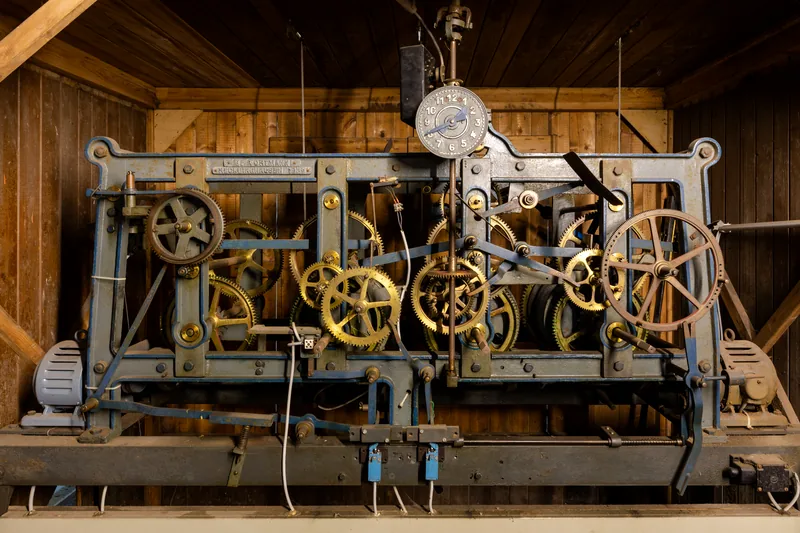
Technical Specifications and Movement Architecture
To fully appreciate the process required to convert valjoux 8s pocket watch into wristwatch, one must first analyze its internal architecture. The Valjoux 8s features a classic Swiss lever escapement, operating at a traditional frequency of 18,000 vibrations per hour (2.5 Hz). This slower beat rate provides the characteristic, authoritative tick-tick sound associated with vintage pocket horology. The balance assembly traditionally incorporates a cut bimetallic compensation balance wheel equipped with gold regulation screws, paired with a hand-curled Breguet overcoil hairspring designed to minimize position errors across vertical and horizontal planes.
The layout of the gear train utilizes a classic Lépine or Savonnette configuration, featuring finger bridges or a three-quarter plate design held down by polished steel screws. The mainspring barrel is housed inside a generous recess, delivering smooth torque to the center wheel over a power reserve that typically spans 36 to 42 hours. Pivot jewels are set into high-grade synthetic corundum or natural ruby bearings, often friction-set or secured in gold chatons depending on the specific finishing tier ordered by the original ordering house. The keyless works—the sliding pinion, winding pinion, pull-out piece (tirette), and setting lever—are robustly dimensioned, built from hardened high-carbon steel to endure decades of manual winding.
From a mechanical perspective, the dimensions of the movement are crucial when planning a conversion. The movement plate typically measures around 18 lignes (approximately 40mm to 41.5mm in diameter), with a total height that demands careful case engineering. Because it was originally intended to sit inside a thick, drop-tested pocket watch shell, the spacing between the dial train, bridge height, and winding stem centerlines requires precise tolerance management when translating the movement into a modern wrist-mounted enclosure.
Challenges of Converting Valjoux 8s to Wristwatch
When clients ask "can you convert valjoux 8s pocket watch movements into modern wrist-wearable timepieces?", the technical answer is a resounding yes—but it comes with severe watchmaking challenges. The most critical vulnerability of any unconverted vintage movement is the total absence of modern shock protection systems, such as Incabloc or KIF shock absorbers. In an unconverted pocket watch, the fine steel balance staff pivots measure a fraction of a millimeter in diameter and rest directly against hard garnet or ruby endstones. A sudden drop or impact to the wrist can instantly shear off a balance pivot, requiring complex micro-lathe work to turn and fit a replacement staff from raw steel wire.
The second primary obstacle is the physical orientation of the sub-seconds register relative to the winding stem. Most Valjoux 8s pocket watch movements utilize a Lépine movement construction, placing the winding crown directly at 12 o'clock and the running small seconds sub-dial at 6 o'clock. If you simply rotate the movement inside a modern wristwatch case so that the crown sits at 3 o'clock, your sub-seconds dial is suddenly relocated to the 9 o'clock position. While this creates an asymmetrical aesthetic that many vintage collectors appreciate, it requires custom dial artwork or adaptation if you wish to maintain a traditional vertical axis.
Finally, dust and moisture resistance present constant engineering hurdles. Antique pocket watch cases relied on snap-fit backs or simple friction dust covers, neither of which meet modern water-resistance expectations. When adapting an original Valjoux 8s, a watchmaker must build a modern seal infrastructure around the winding stem tube, crystal seat, and caseback joints to protect the non-stainless vintage carbon steel components from ambient sweat, rain, and humidity.
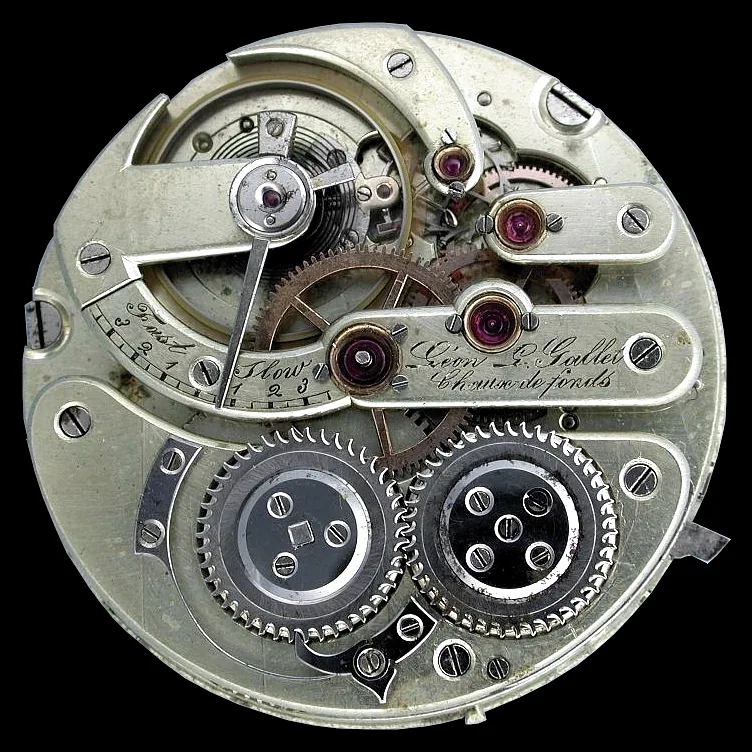
Lug Welding and Case Selection
Choosing or engineering a proper valjoux 8s pocket watch to wrist conversion case is the foundational step of any successful build. There are two distinct philosophical approaches to this task: hand-modifying an original vintage pocket watch case by silver-soldering wire lugs to its perimeter, or sourcing a custom, modern CNC-milled conversion case specifically machined to accept 18-ligne Swiss calibers. Modifying an original silver or gold-filled case preserves historic patina, but off-center lug alignment or heat discoloration during brazing can easily ruin a rare original shell.
Modern conversion cases crafted from 316L stainless steel provide vastly superior structural integrity, scratch resistance, and environmental sealing. These cases feature precision-cut internal ledges and custom spacer rings engineered to clamp the outer movement rim securely without exerting stress on the balance cock or bridge plates. When mounting an 8s movement, watchmakers must utilize custom movement clamps secured by casing screws that thread into the edge of the mainplate, ensuring absolute stability against rotational forces when the crown is pulled out to set the time.
Lug geometry demands equal consideration. Because an 18-ligne movement naturally dictates a finished outer case diameter between 43mm and 46mm, long straight lugs can make the watch virtually unwearable on average wrists. Master watchmakers deliberately select or machine short, downward-curved ergonomic lugs that hug the contours of the wrist. For those exploring the broader world of antique pocket watch conversions, achieving balanced lug proportions is what separates an awkward homage build from a refined, wearable piece of horological art.
Crown and Stem Solutions
The winding stem and crown interface represents one of the most mechanically sensitive steps when you convert valjoux 8s pocket watch components into a wristwatch format. Vintage pocket watches typically relied on sleeve-set or positive/negative setting mechanisms integrated directly into the original pocket watch case neck, rather than fully self-contained keyless works found in modern wrist movements. Consequently, when removing the movement from its original housing, the original stem is frequently too short, incorrect in thread pitch, or lacks the necessary shoulder geometry to work with a standard wrist-watch crown.
To overcome this issue, a watchmaker must custom-turn a double-ended stem extension or fabricate a completely new winding stem on a micro-lathe. The new stem must feature a hardened steel square section that precisely engages the sliding pinion, coupled with an exact pilot diameter that turns smoothly inside the mainplate guide hole. The external portion of the stem must be threaded (typically Tap 9 or Tap 10) to accept a heavy-duty, gasket-sealed onion or pumpkin-style crown that complements the scale of the original case aesthetics.
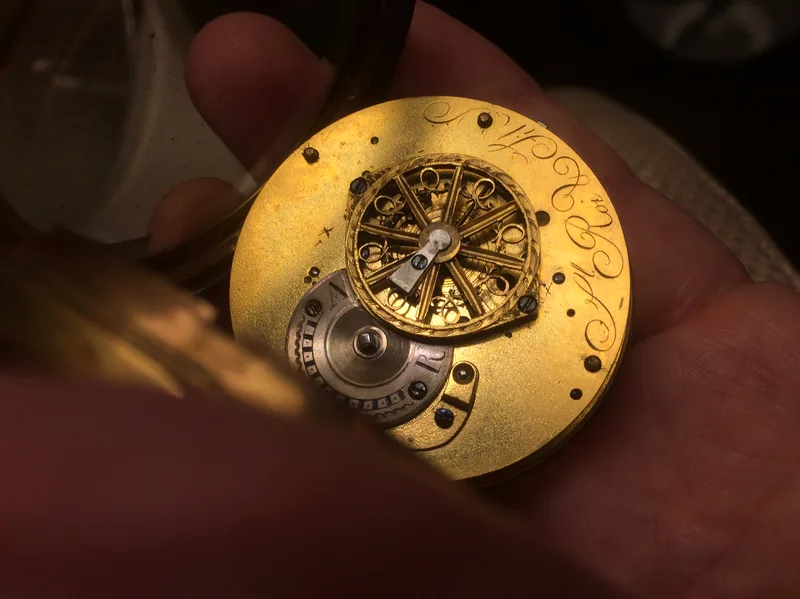
Water ingress protection at the stem entry point requires the installation of an internal crown tube fitted with double Viton O-rings. The custom crown must feature an internal recess that covers the crown tube when fully pushed in against the case band. This arrangement prevents lateral stress on the stem shaft when winding the heavy mainspring, preserving the internal keyless works components from premature wear or bending.
Dial and Hand Considerations
Preserving or redesigning the visual face of a Valjoux 8s requires meticulous hand skills. Most original Valjoux 8s movements were paired with delicate, grand feu vitreous enamel dials fired over copper bases. While enamel never fades or discolors over time, it is extremely brittle. Removing an original enamel dial without cracking its glass surface requires specialized dial-lifting levers and immense patience. If the original dial feet do not align with the securing eccentric screws or side-grub pins of your chosen conversion case, original feet must be carefully removed and new copper dial feet soft-soldered or attached via cold-weld adhesive blocks to prevent heat damage to the enamel face.
Hand fitting presents another set of mechanical challenges. The pivot dimensions of vintage pocket watch wheel trains—specifically the hour wheel neck, cannon pinion, and fourth wheel pivot shaft—are significantly larger than modern ETA or Sellita standard hand hole sizes. Watchmakers must either restore and re-blue the original vintage steel spade or Louis XV hands, or broach contemporary custom hands using precision hand-cut broaches until the internal collet diameters perfectly match the vintage pivot friction tolerances.
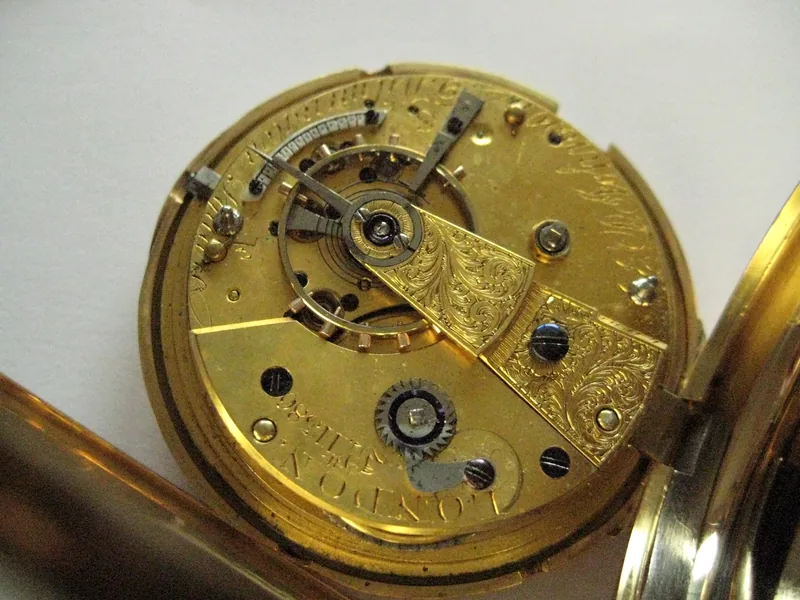
If modern luminescent material is desired, watchmakers often custom-craft brass or steel hands styled after early aviator timepieces, applying hand-mixed faux-radium photoluminescent pigment. Extreme care must be taken during hand installation to ensure adequate clearance between the hour hand, minute hand, crystal interior curvature, and the running seconds hand at 6 or 9 o'clock, as even a fraction of a millimeter of rubbing will stop the delicate gear train entirely.
Why 8s is more common for conversion
Among vintage watch collectors and custom watchmakers, the Valjoux 8s architecture remains one of the most frequently chosen calibers for conversion projects. The primary reason lies in its physical scale: unlike massive 19-ligne or 20-ligne American railroad pocket watch movements (such as Hamilton 992B or Waltham Vanguard movements), which yield oversized wrist cases exceeding 48mm, the 18-ligne footprint of the Valjoux 8s settles perfectly into a modern oversized wrist profile (42mm to 44mm outer diameter). This size hits the ideal sweet spot for contemporary enthusiasts who appreciate bold wrist presence without sacrificing wearability.
Furthermore, the overall availability and build quality of the Valjoux 8s make it mechanically superior to standard low-jewel ebauches. Valjoux produced these movements with exceptionally high tolerances, meaning that even after a century of existence, the hardened steel pinions, mainspring barrels, and jewel settings exhibit minimal wear if properly lubricated. Parts compatibility across the Valjoux family is also far better than that of obscure, unbranded Swiss makers, allowing experienced watchmakers to source balance staffs, winding wheels, or click springs from donor movements or old-new-stock (NOS) material houses.
Finally, the horological prestige associated with the Valjoux name plays a significant factor. Valjoux was the premier chronograph supplier to the most prestigious Swiss houses throughout the 20th century—including early supply chains that overlapped with high-grade timing equipment seen in early vintage Rolex wristwatches. Wearing a hand-finished, conversion piece powered by a genuine Valjoux engine offers a direct tactile connection to the golden age of Swiss mechanical timing, at a fraction of the cost of museum-tier wrist chronographs from the same era.
Final Thoughts on Valjoux 8s Conversions
Converting a historical Valjoux 8s pocket watch into a high-grade wristwatch is far more than a simple re-casing exercise; it is an act of horological preservation and high-level micro-engineering. When executed by a skilled watchmaker who respects the integrity of the original movement, an inactive, forgotten pocket timepiece stored away in a drawer is given a second life as a dynamic, wrist-worn mechanical masterpiece. The process honors the original Swiss artisans of the Vallée de Joux while adapting their work to survive the rigors of modern daily wear.
For collectors considering embarking on a conversion project, working with an experienced horologist who understands vintage movement dynamics is paramount. From fabricating custom stems and securing shock resistance solutions to aligning dial feet and selecting an ergonomic valjoux 8s pocket watch to wrist conversion case, every step requires patience, specialized tooling, and deep technical insight. When done correctly, the final result is a one-of-a-kind mechanical treasure—a ticking bridge between early 20th-century watchmaking brilliance and contemporary wrist fashion.