The idea of wearing a pocket watch on the wrist is not new. A century ago, as wristwatches began to replace pocket watches, craftsmen were already adapting one for the other. What was new was doing it properly — with precision, reversibility, and respect for the original.
This is the story of how I built a system to do exactly that.
The Jig
Once I had built the jig, I could weld lugs to watch cases with real precision. But precision alone did not solve everything. Men's pocket watch cases ranged from 40 to 52mm in diameter and from 2.5 to 4.5mm in thickness. To accommodate this, I had to design lugs in three curvatures — for 40, 45, and 50mm — and in three thicknesses: 2.5, 3.5, and 4.5mm. Nine sizes in total.
That, however, was the smaller problem.
The Crown Problem
On most pocket watches, the winding crown sits at 12 o'clock and pulls out to set the hands. On a wristwatch, this position makes the crown nearly impossible to reach. Every conversion had to solve this — and for years, I kept solving it differently.
My first attempts were not one construction but many — a dedicated fit designed case by case, whatever pocket watch happened to be on the bench: a Zenith, a Marvin, a Vulcain, an Omega, a Russell's, a Longines, an Omega-signed Jura calendar watch with moon phases, and an Audemars Frères:
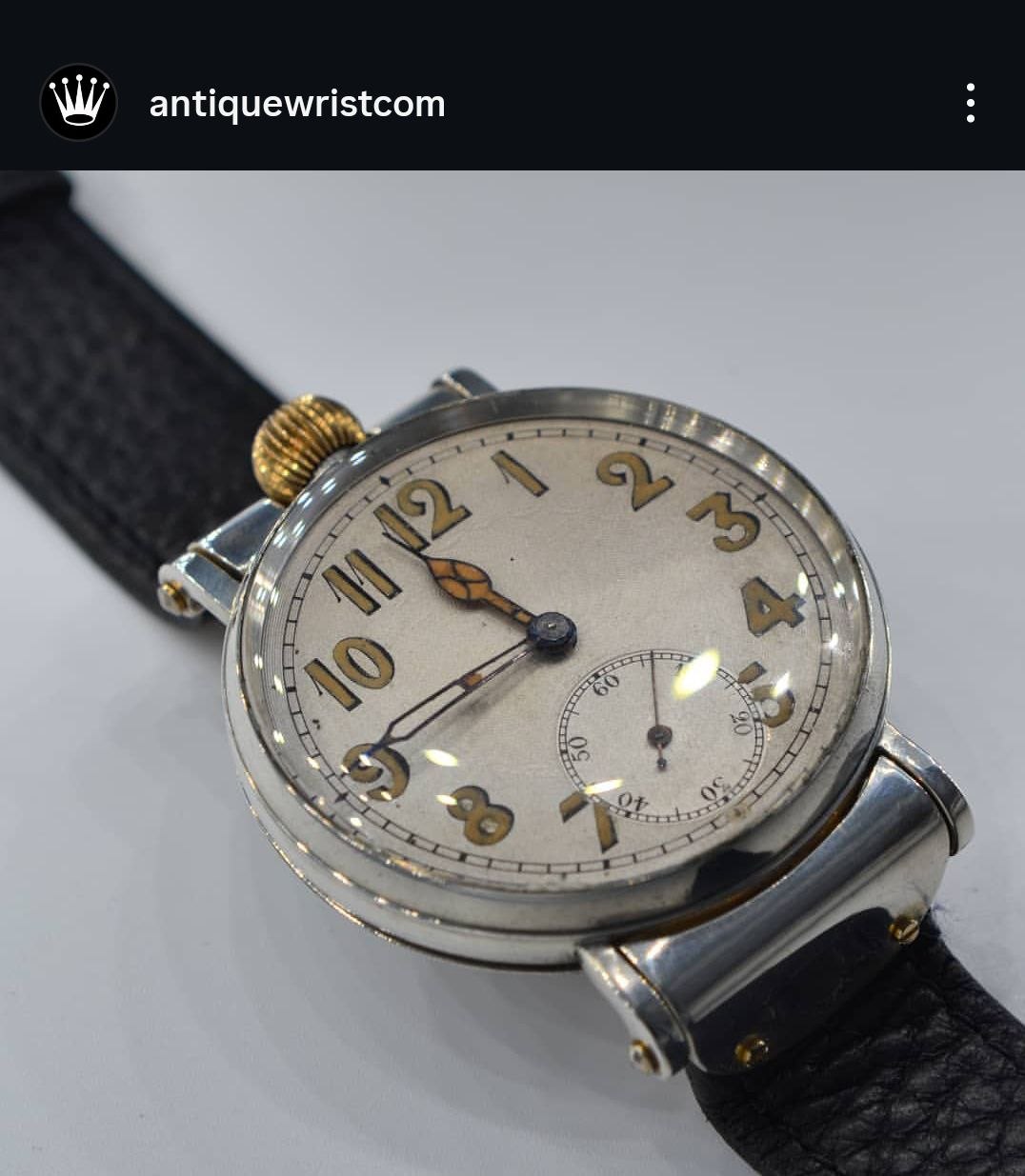
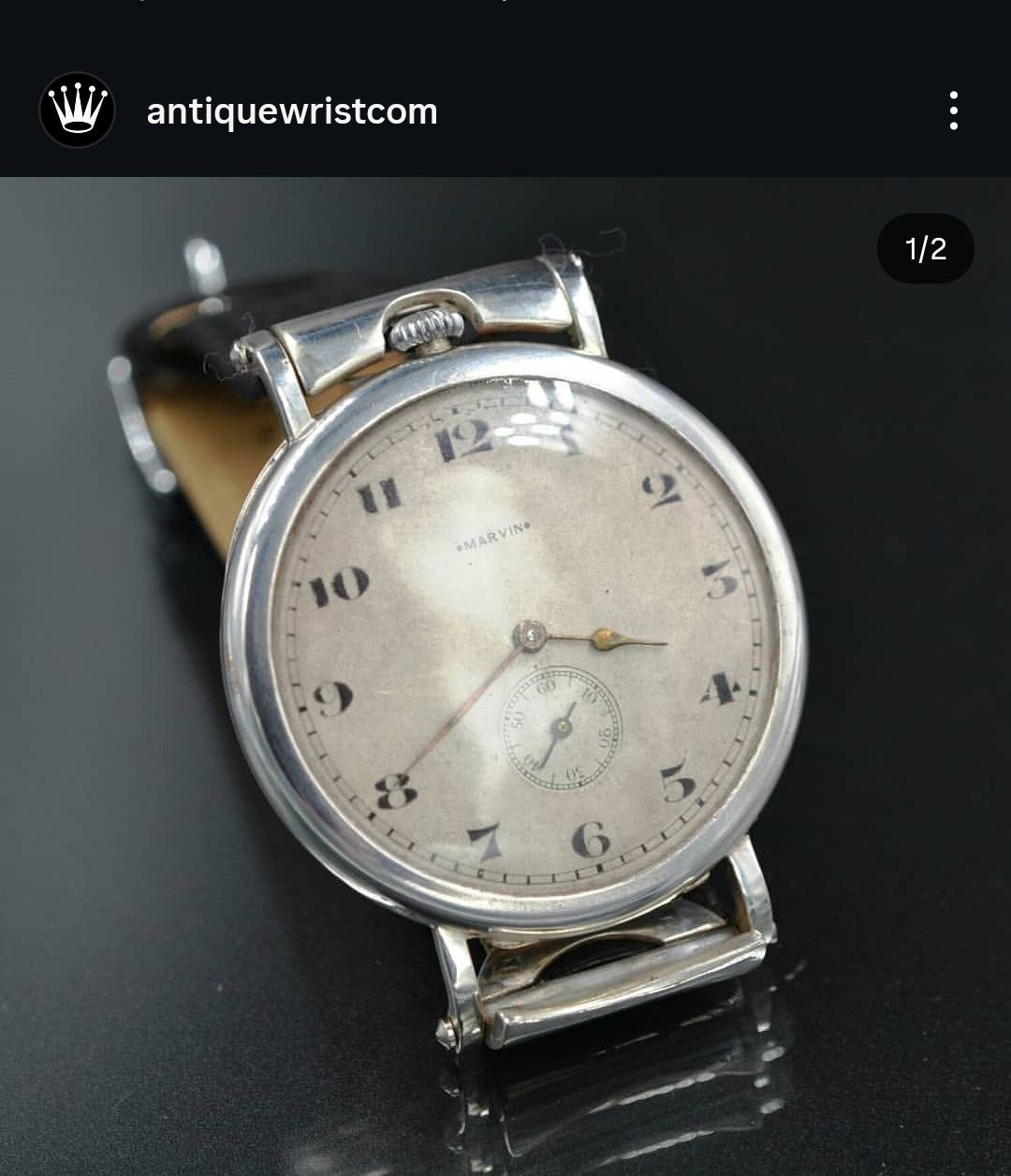
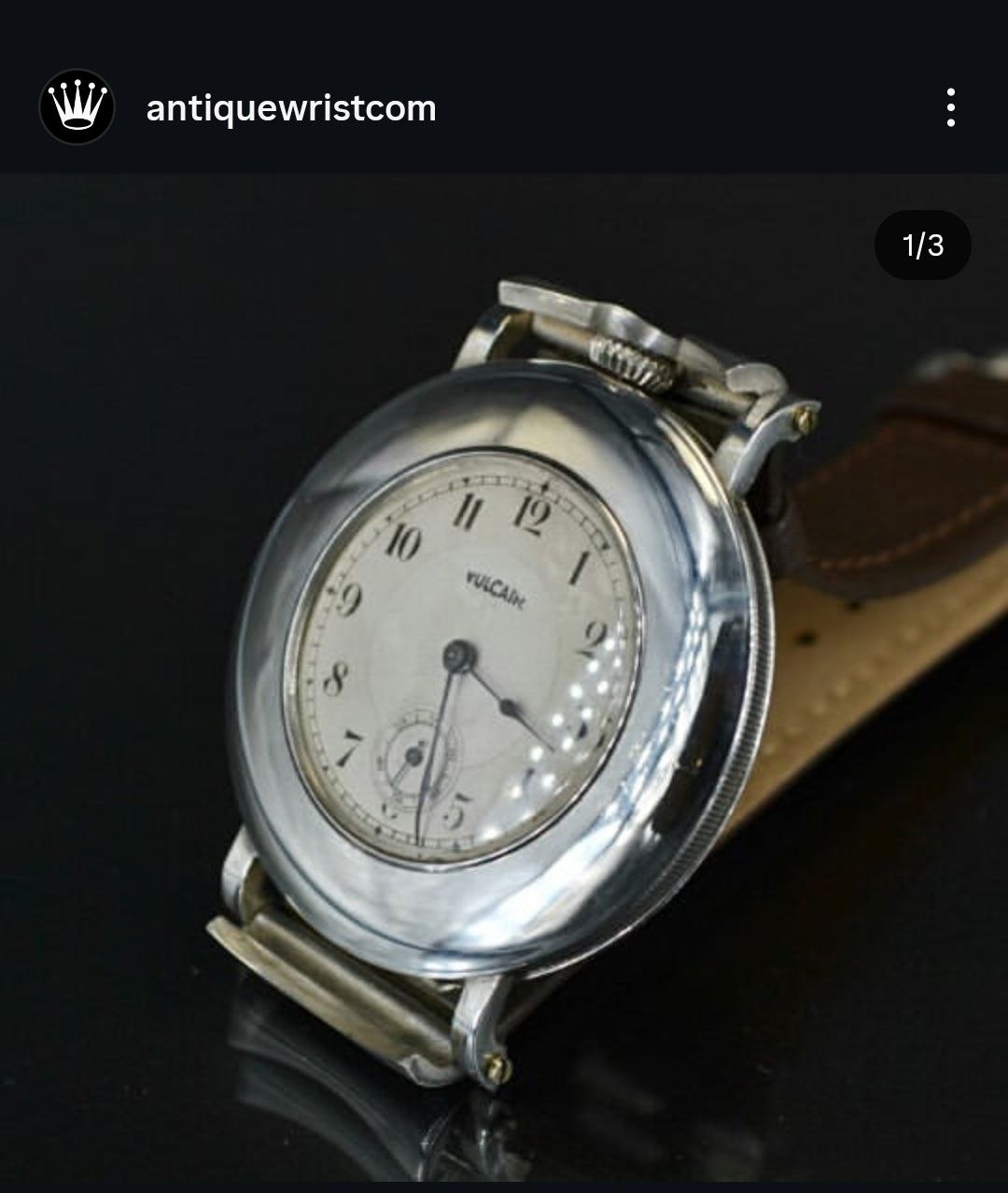
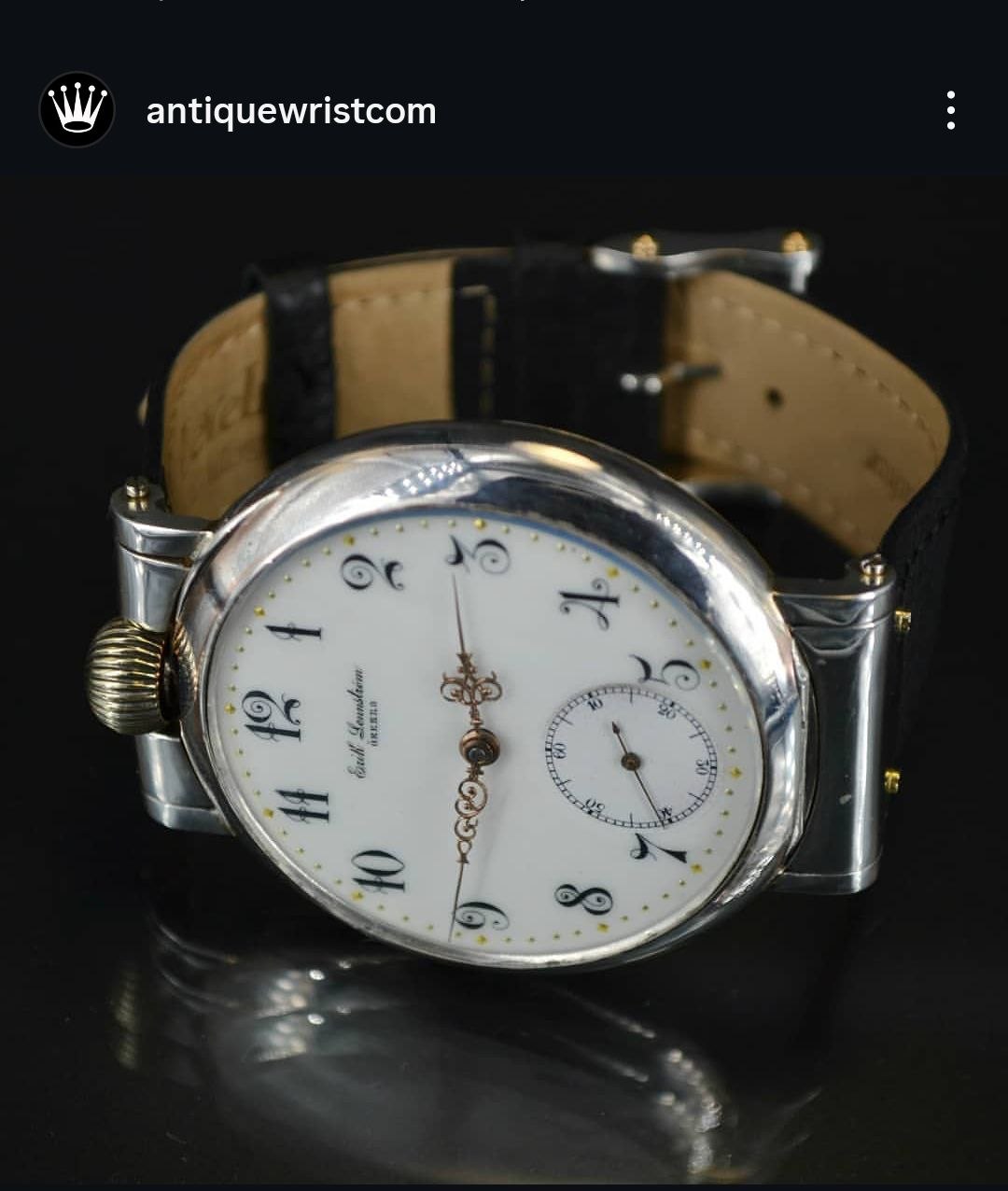
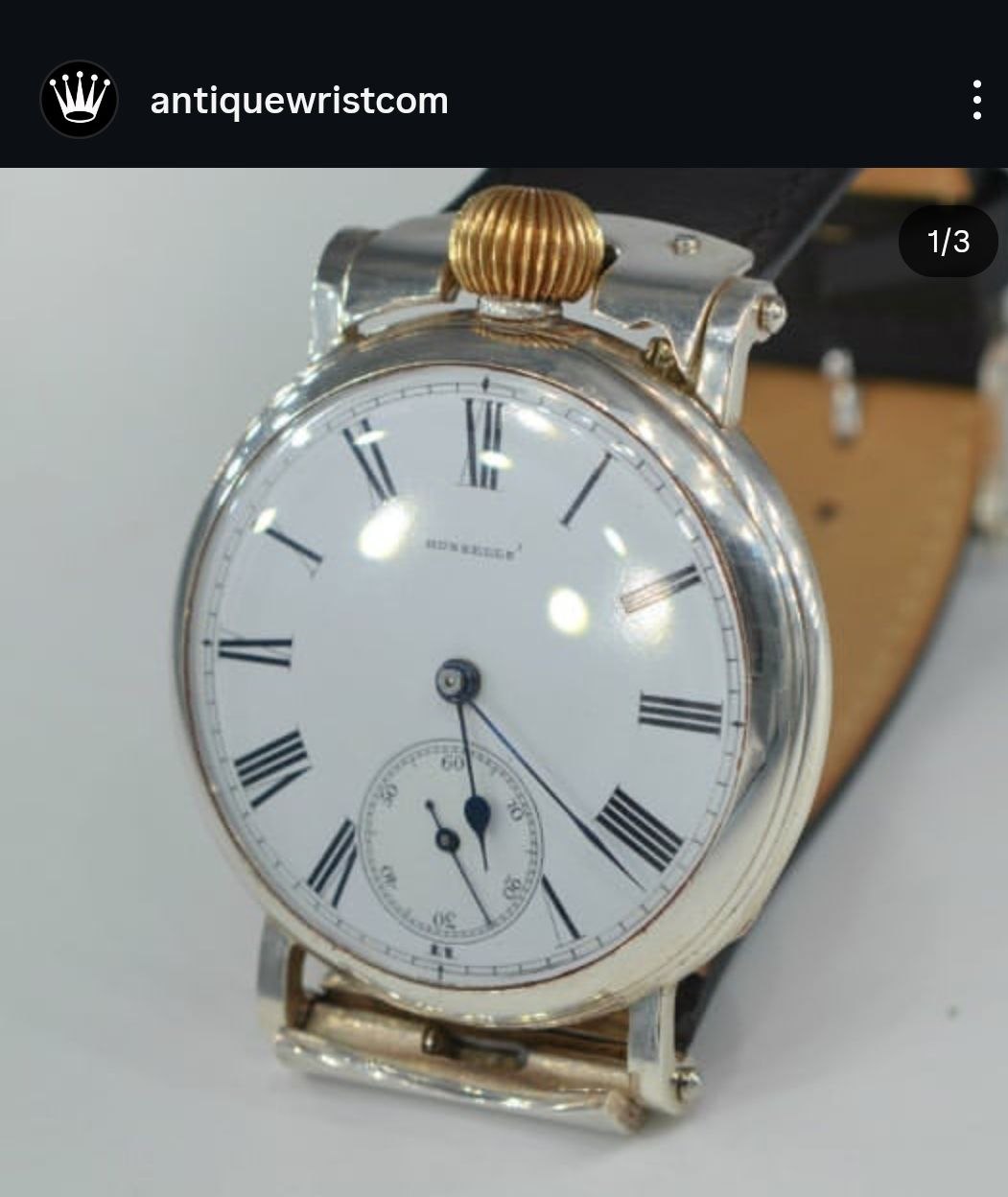
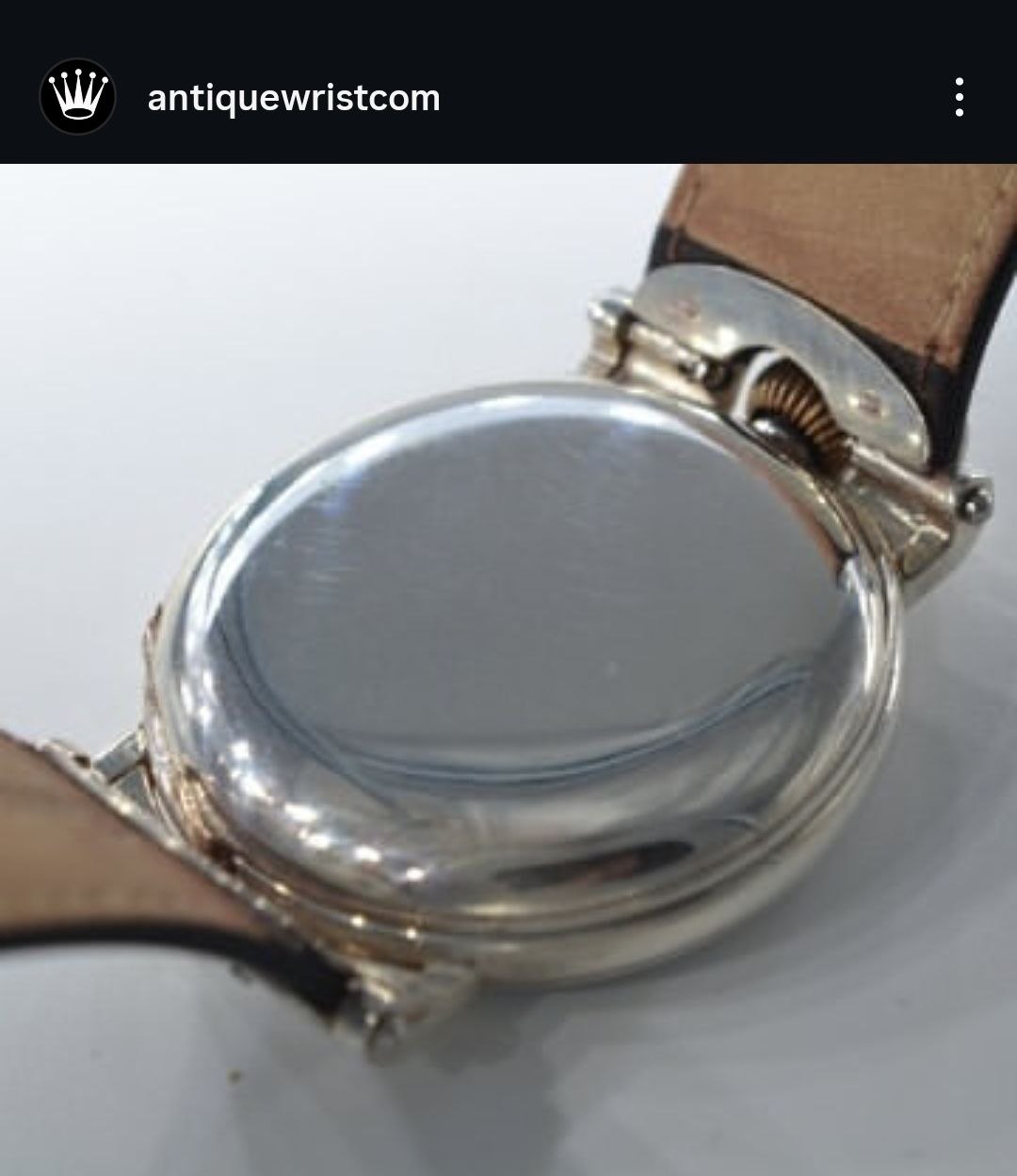
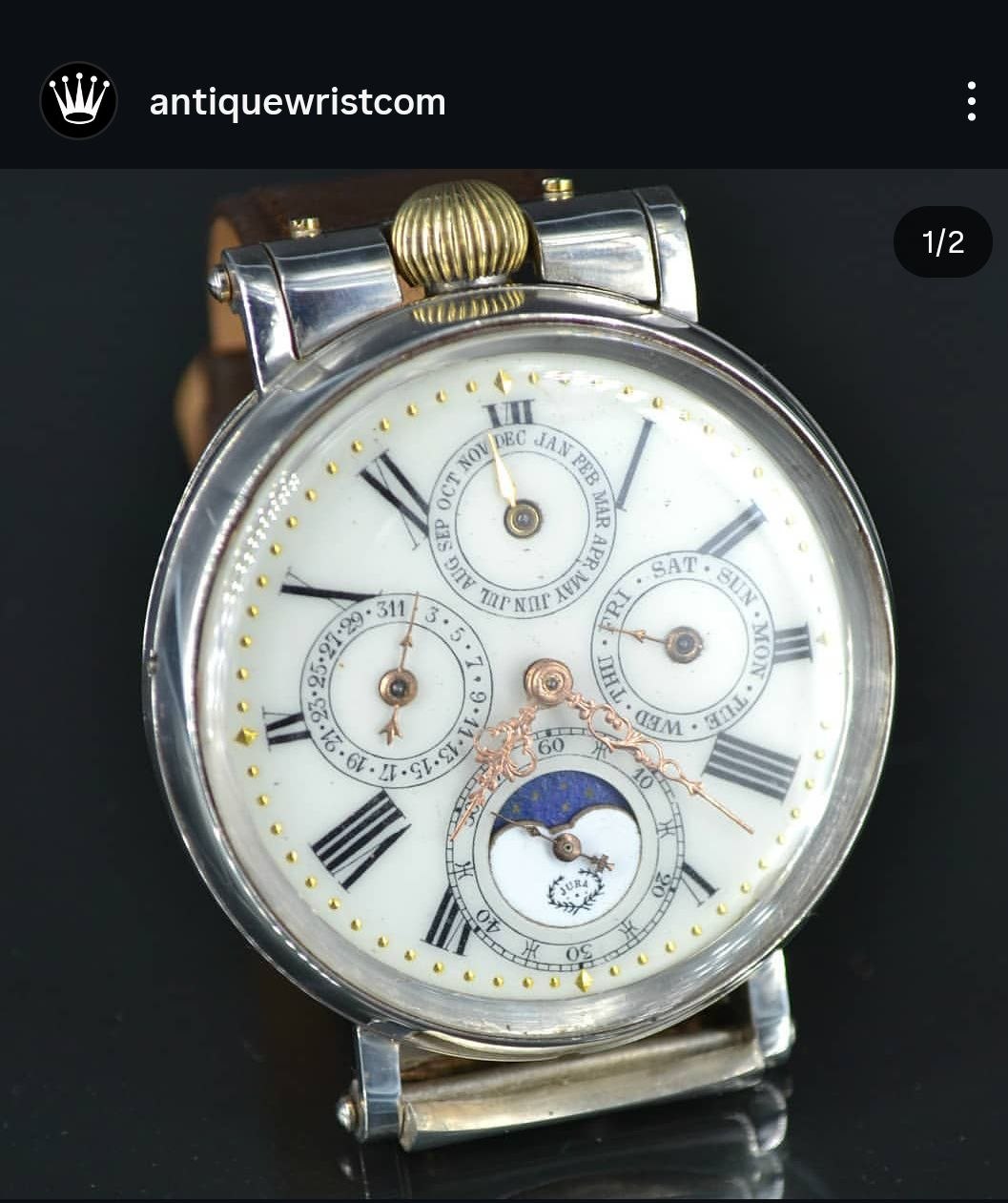
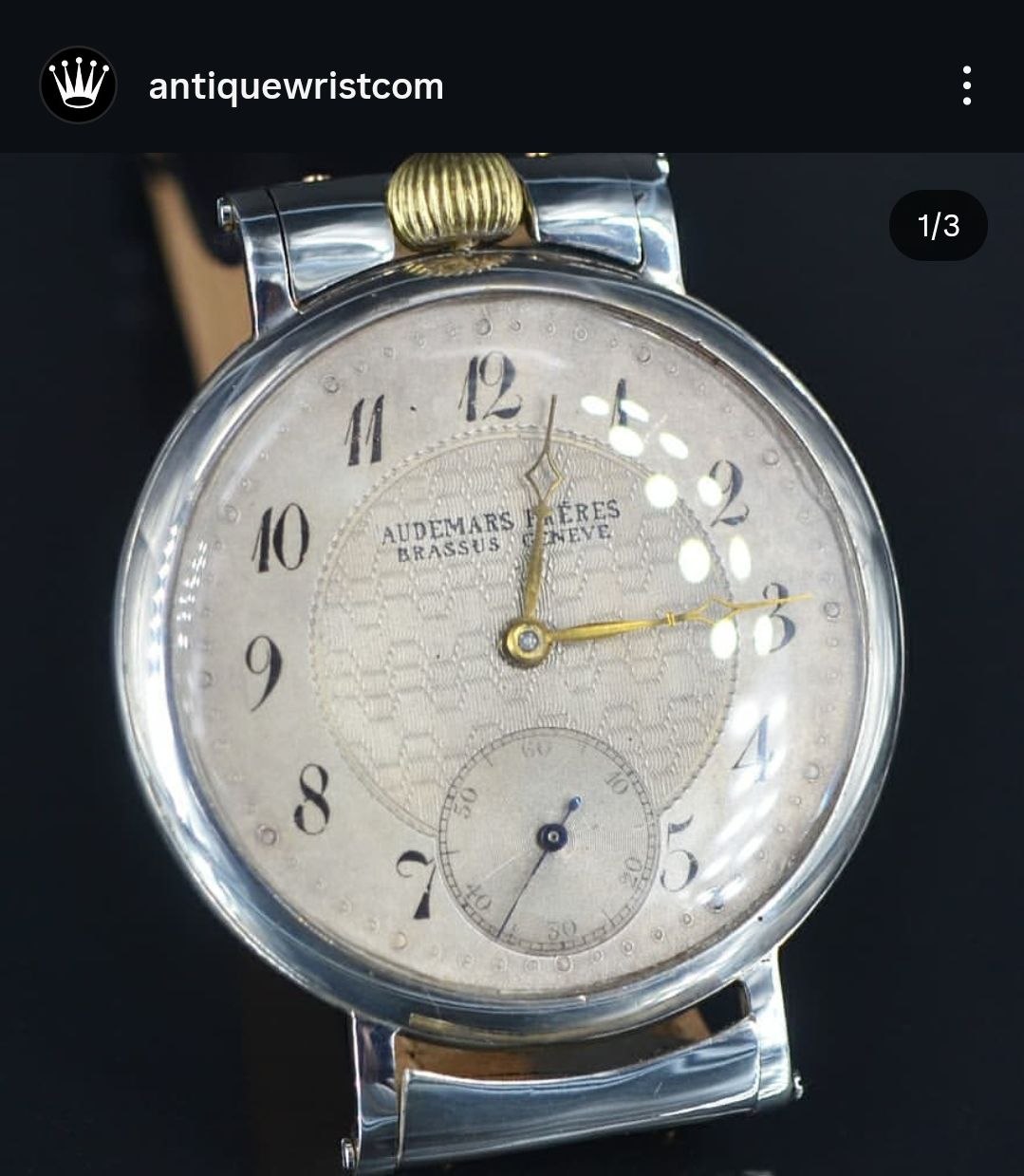
Early conversions, each fitted individually: Zenith, Marvin, Vulcain, Omega, Russell's, Longines, an Omega-signed Jura moon-phase calendar watch, and Audemars Frères.
Each of these worked, but it was a case-by-case fit rather than a system — bulky to wear and extremely labor-intensive to produce.
Second Iteration
The next version was more compact. It required modifying the strap itself — cutting a recess for the crown and clamping it in place with a clip on small bolts.
Photo of the watch: Ulysse Nardin, IWC, Rolex.
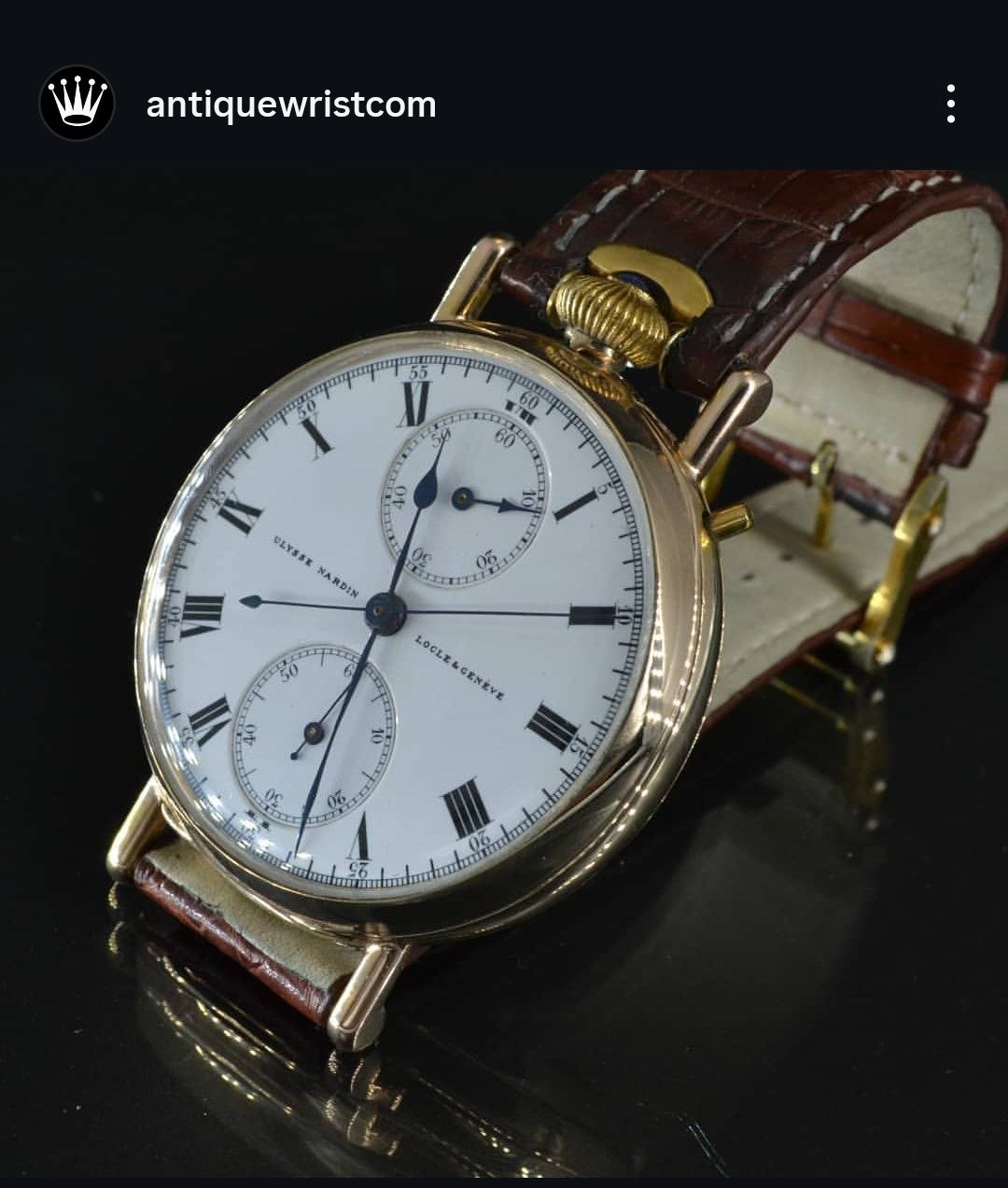
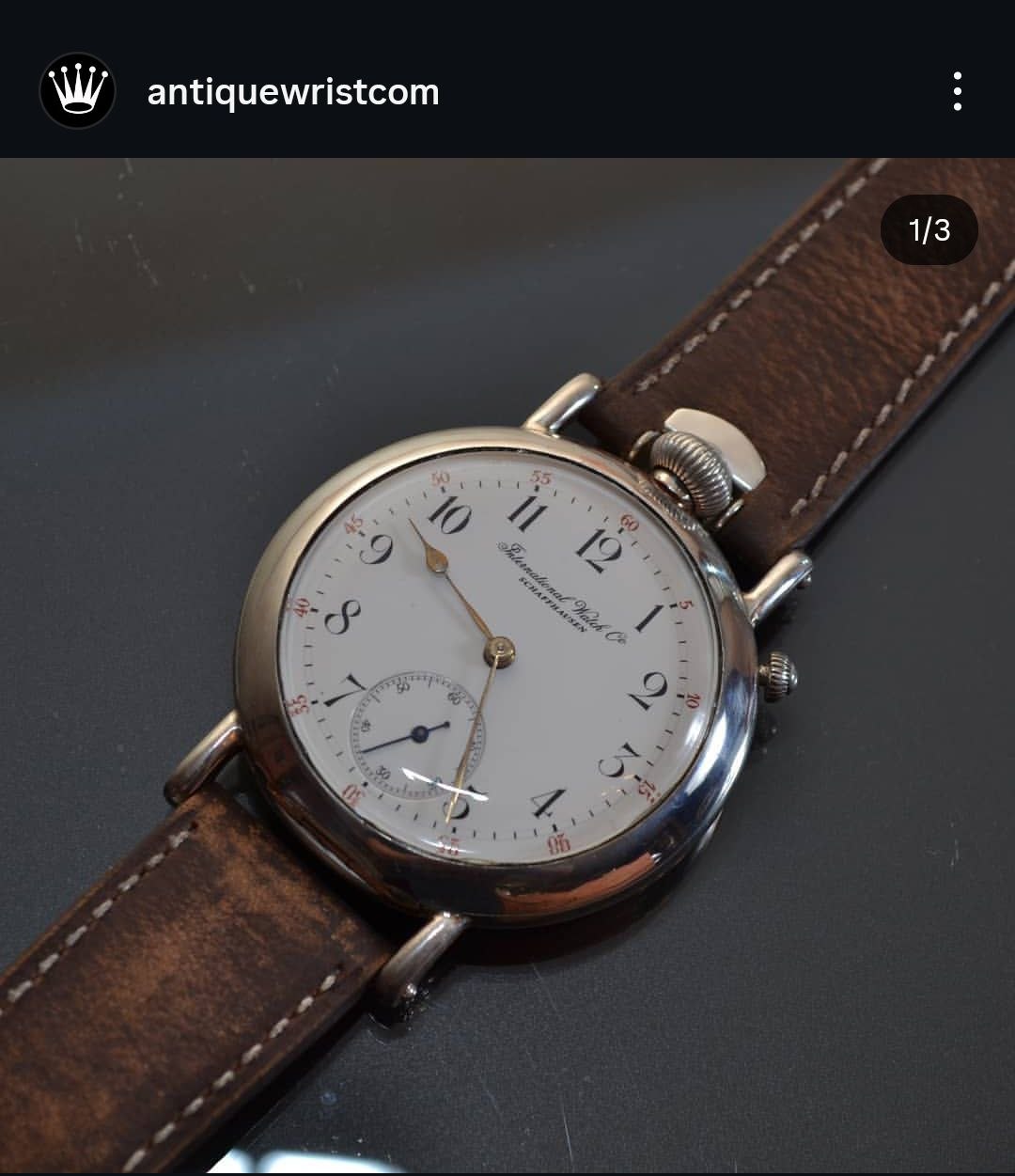
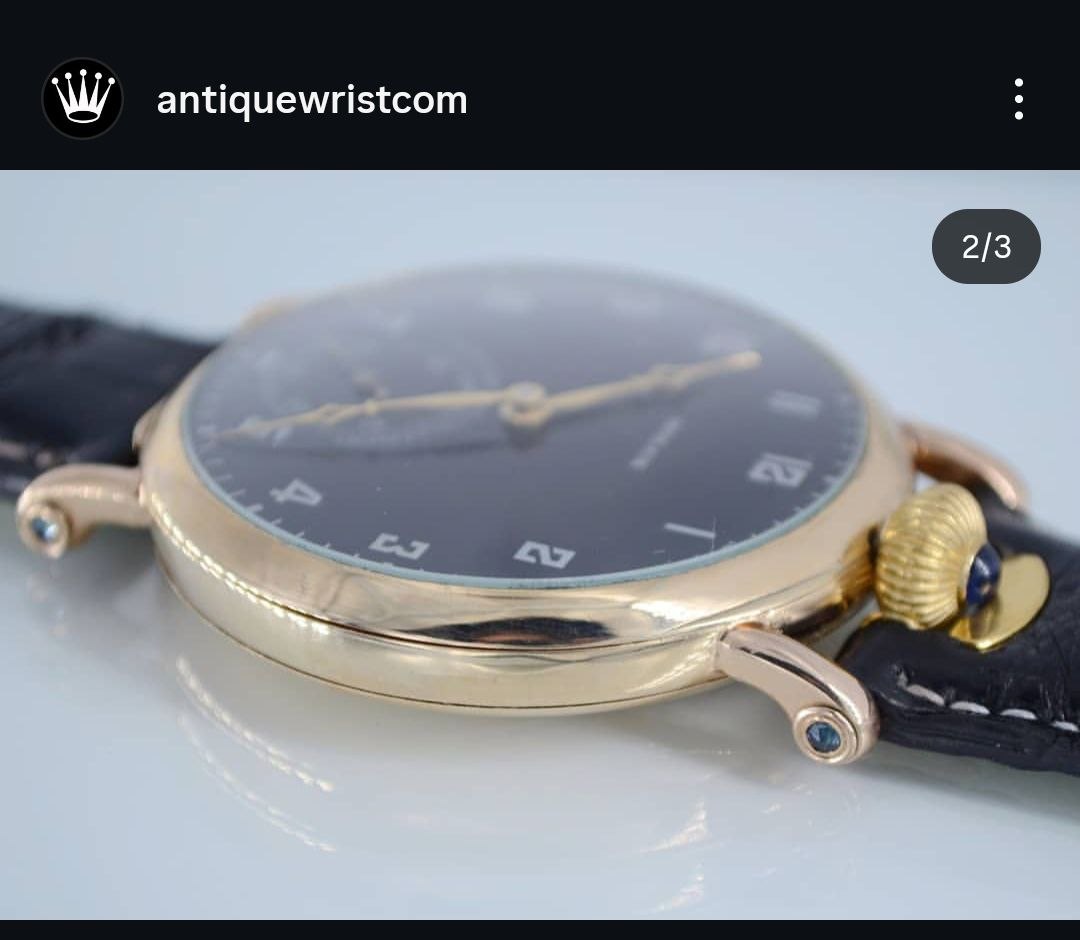
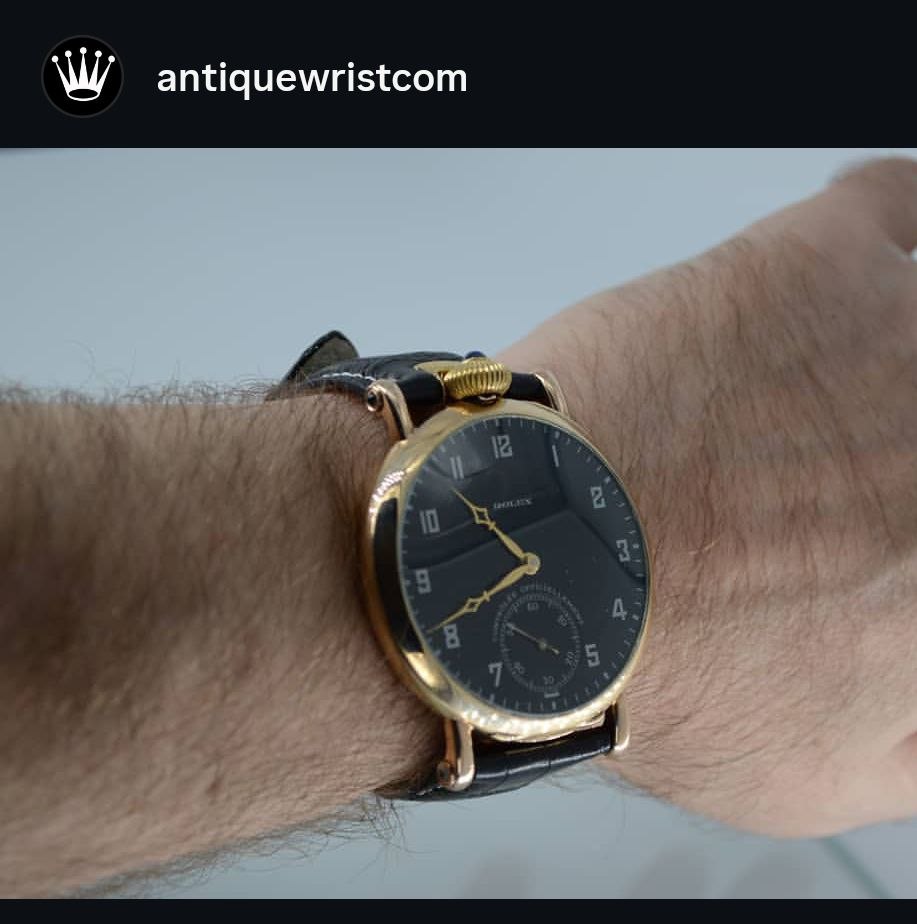
Second construction — the strap has a machined recess for the crown, held in place with a clip on small bolts. Ulysse Nardin, IWC, and two Rolex conversions.
More elegant, more wearable — but still time-consuming. And there was a larger issue: the strap could only be sourced from me. Clients wanted to use any standard watch strap they chose.
So I kept developing.
Third Iteration
I tried a link with a cutout for the crown, rotating on pins. It looked rough, was awkward to use, and required individually machined links with complex curved geometry that was very difficult to produce accurately.
Not good enough.
Fourth Iteration
I replaced the cannon with a cup that wrapped around the crown on one side — leaving it accessible for winding and setting — and on the other served as a base into which bolts passed through the lugs. A link for a standard strap was mounted on these bolts.
Aesthetically, this was an improvement. But fitting the cup to different crown profiles across different watches was demanding, and the link interfered slightly with getting a firm grip on the crown when winding.
On a gold Rolex and an Ulysse Nardin chronograph, I decorated the crown and lugs with a sapphire cabochon at the client's request. The jewel-setting was a one-time experiment, though — most clients preferred the clean, military look of unadorned lugs.
This construction is where the work stopped being experimental and started being repeatable. Examples of transformed Hebdomas, Rolex, and Meylan watches with this modification are shown below.
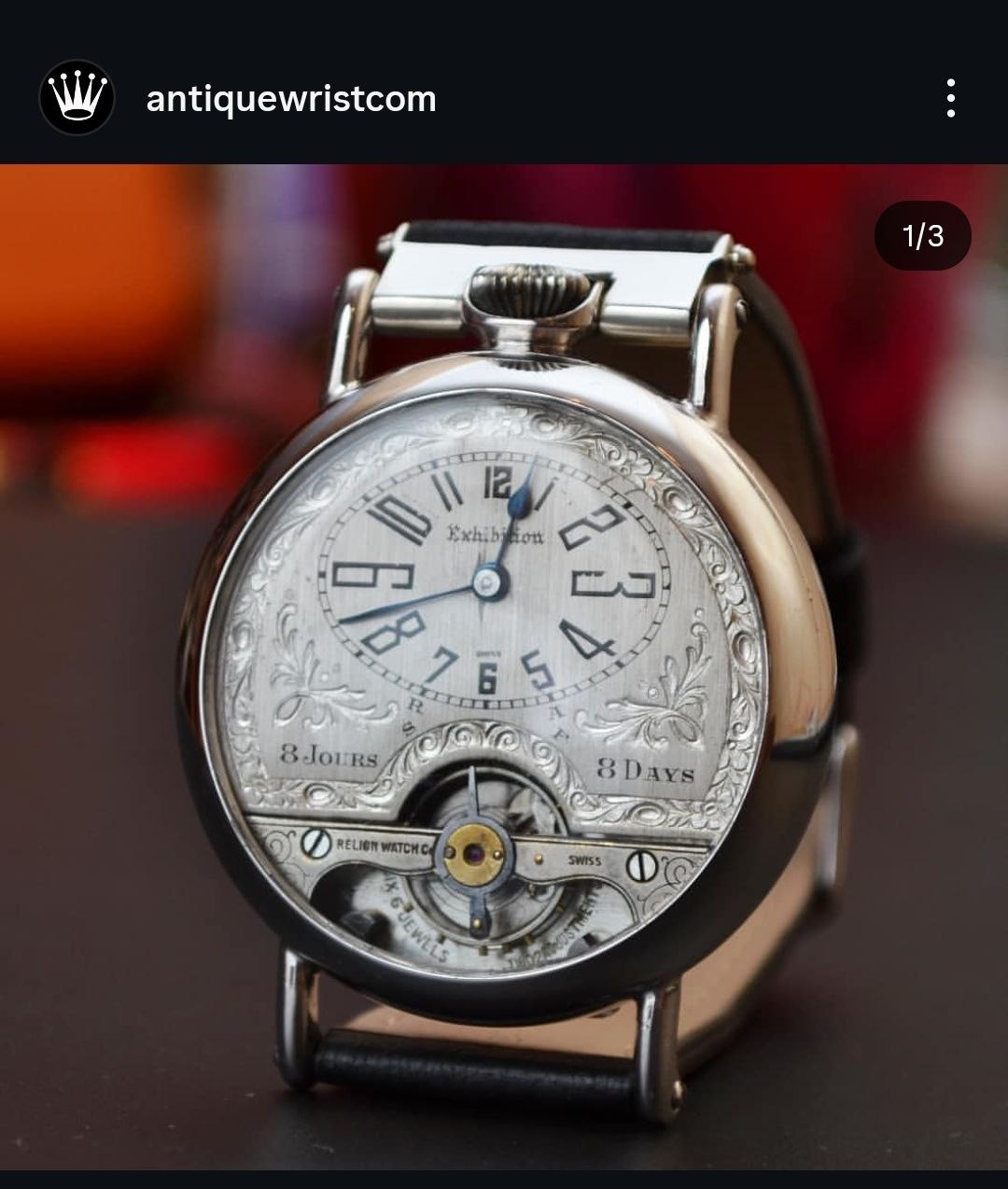
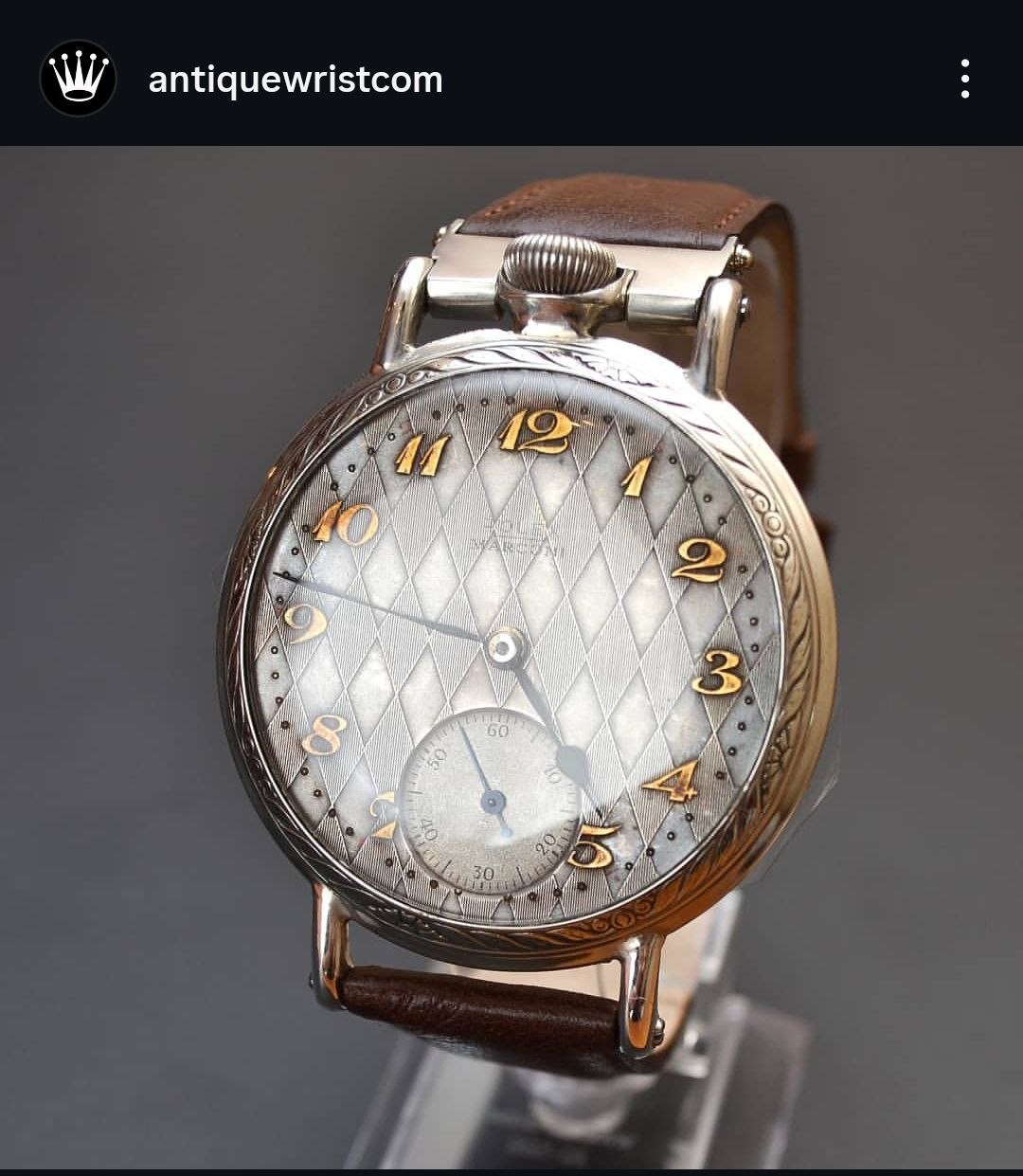
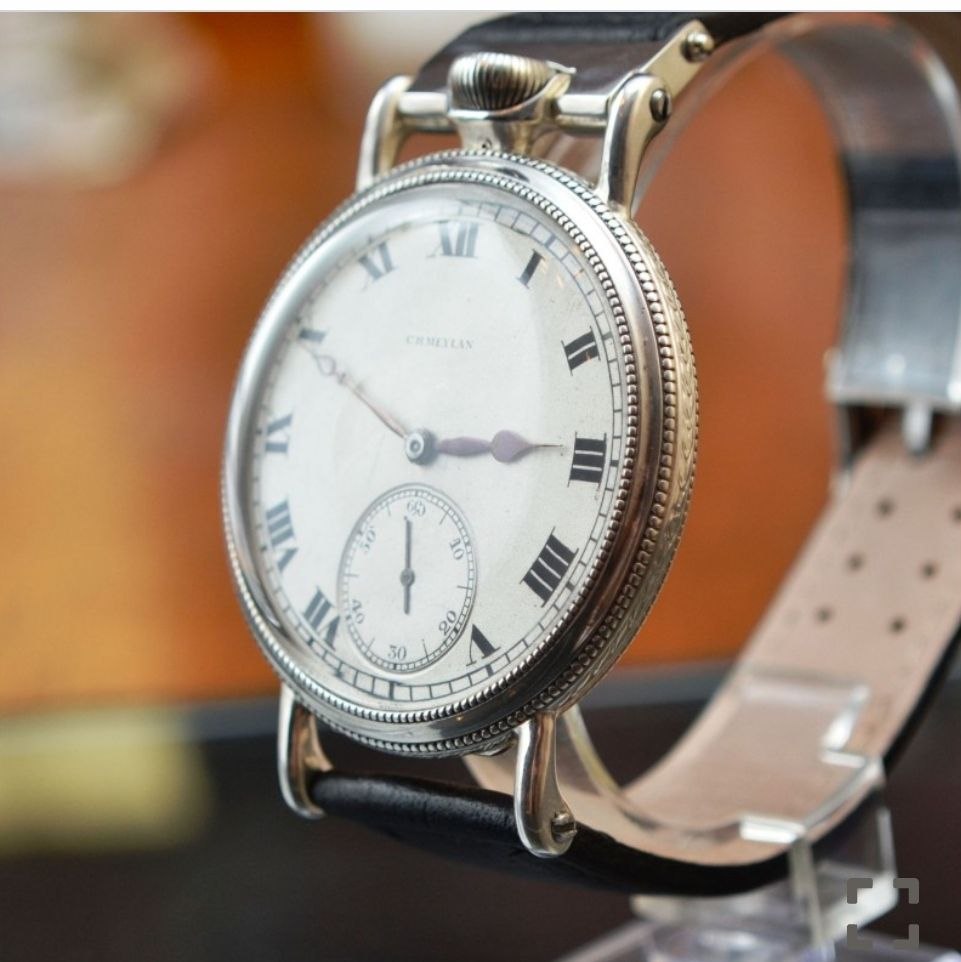
Hebdomas, Rolex, and Meylan conversions built with the cup-and-link crown construction.
An Unexpected Commission
Around this time, a close friend asked me to convert a triangular Masonic pocket watch. I could not refuse — and it was a genuine challenge.
The triangular case made a standard lug approach impossible on both sides. I developed a hybrid: lugs welded on one side, and on the other a tube into which bolts were threaded, their heads styled to resemble winding crowns.
My friend was pleased with the result.
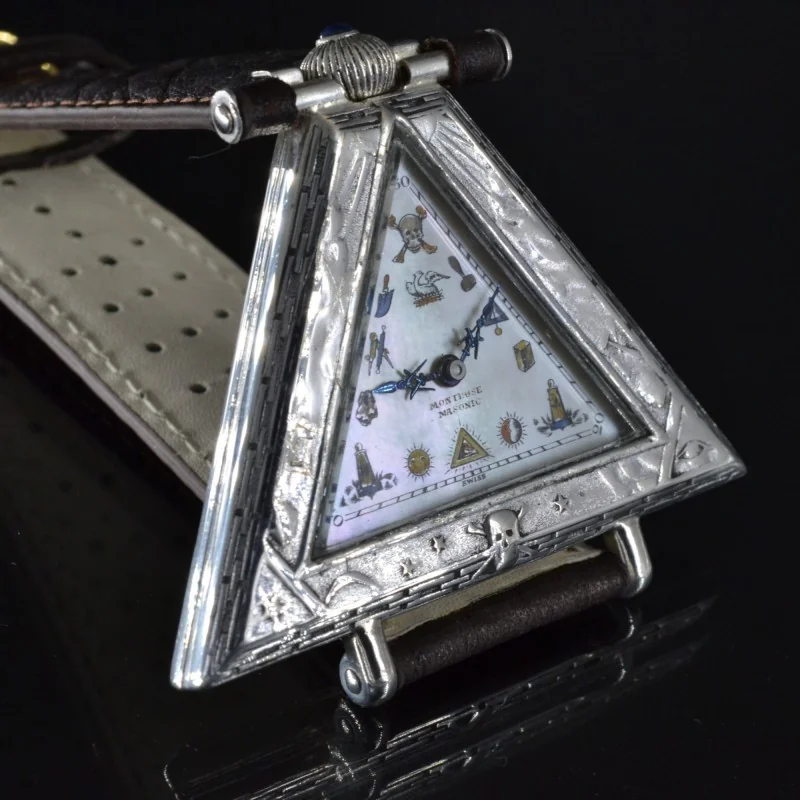
The Masonic triangular conversion — a hybrid construction necessitated by the unusual case geometry.
The Final Solution
I finally succeeded in developing a construction that met all the requirements and best suited what clients actually needed.
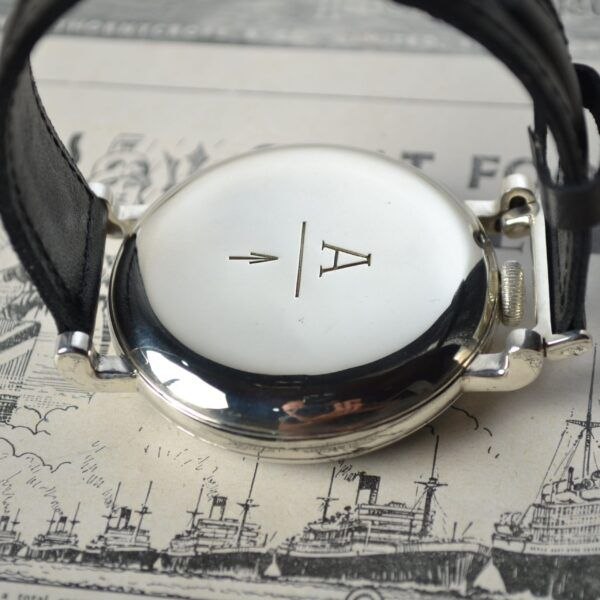
The lugs were machined with internal grooves. A link — shaped to bypass the crown — could slide along these grooves on protruding pins: up into the winding position, allowing full access to the crown for setting and winding, and down into the wearing position, flush against the wrist.
 pocket watch conversion construction — sliding link mechanism with internal grooves, worn on the wrist" loading="lazy" />
The final construction. The link slides along internal grooves — up for winding access, down flush against the wrist for wearing.
I also developed flat winding crowns with a skirt that fits over a shortened stem, in two sizes — for thin and thick cases — to replace the original tall crowns where needed.
This construction received the full approval of clients, and orders for conversions began to arrive steadily.
Reversibility
From the beginning, I preserved the cannons with their carrying loops and the cut sections of stem, returning them to clients along with the converted watch. This makes the conversion fully reversible: the lugs can be cut away, the stem extended, and the cannon rewelded — the watch returned to exactly its original form.
In fourteen years, no one has asked me to do this. But the option remains.
I should note: in my conversions, a pocket watch is altered by less than ten percent. It remains an authentic historical timepiece — and a fully wearable one.