The decade spanning World War I through the post-war reconstruction era (1915–1925) represents the most transformative epoch in modern horological history. It was during this pivotal decade that the wristwatch evolved from an aristocratic novelty—frequently dismissed by conservative casemakers as a vulnerable fashion piece—into an indispensable tactical instrument for trench warfare and, ultimately, the modern gentleman’s everyday timepiece. For horological scholars and serious archivists, vintage rolex dating 1915-1925 relies not on printed dial signatures or modern external serial reference charts, but on the precise forensic decipherment of precious metal hallmarks, sponsor stamps, and assay office symbols struck into the inner walls of watch cases.
During this era, Hans Wilsdorf, the visionary co-founder of Wilsdorf & Davis (later registered as the Rolex Watch Company), navigated world wars, shifting international trade tariffs, and stringent national assay laws. Because early dials were rarely signed "Rolex"—a commercial strategy designed to appease British retailers who preferred branding timepieces with their own house names—the physical caseback serves as the primary archival document. Understanding how to analyze these physical stamps allows collectors to pinpoint the exact manufacturing year, origin, and authenticity of these historic military and civilian timepieces.
1. What is the Hallmark?
In classical metallurgy and horological archival science, a hallmark is an official mark stamped on precious metal objects—gold, silver, platinum, and later palladium—to guarantee their purity and origin. Unlike a manufacturer's logo or a decorative case serial number, a genuine hallmark is a legally mandated seal applied by an independent government or municipal authority after rigorous metallurgical testing (assaying).
For wristwatches produced between 1915 and 1925, hallmarking was governed by strict statutory frameworks. In Great Britain, where Wilsdorf & Davis established their primary commercial operations, the Law of Assay required all imported precious metal watch cases to undergo physical assaying at an official British Assay Office before being offered for commercial sale. A complete hallmark set on an early Rolex case typically consists of four distinct stamped components:
- The Sponsor’s Mark (Maker’s Mark): The initials of the firm or importer responsible for submitting the raw or finished case to the assay office (e.g., "W&D" for Wilsdorf & Davis, or later "R.W.C. Ltd" for Rolex Watch Company).
- The Standard Mark (Fineness Mark): A symbol or numerical decimal indicating the exact purity of the precious metal alloy (e.g., ".925" for Sterling Silver, "15" or ".625" for 15-karat gold).
- The Assay Office Mark (Town Mark): A distinctive heraldic symbol identifying the specific city where the case was tested and certified (e.g., the double-prancing salmon of Glasgow or the Sun in Splendour of London).
- The Date Letter: A stylized alphabet letter enclosed within a distinct shield or border shape that uniquely designates the precise calendar year or operational assay year during which the piece was tested.
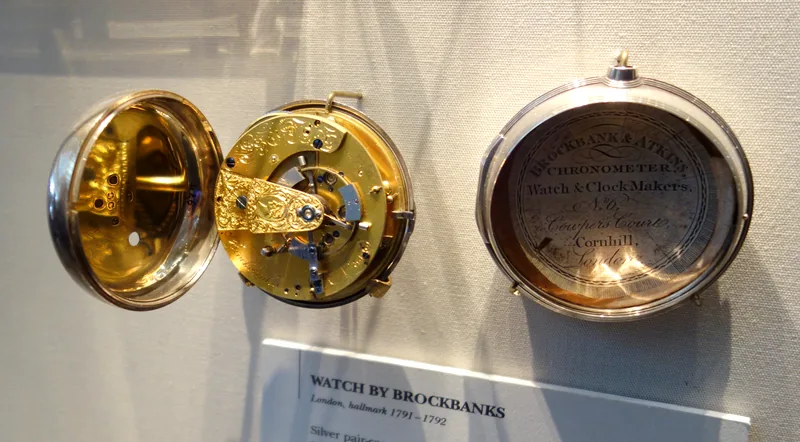
2. Historical Origins and Assay Office
To master the discipline of vintage rolex dating 1915-1925, one must understand the economic and political climate of Great Britain during the First World War. Prior to September 1915, watch cases manufactured in Switzerland could be imported into Britain with minimal customs friction, provided they met basic purity standards. However, to conserve foreign exchange reserves during the escalation of WWI, the British Parliament introduced the Finance Act of 1915, commonly known as the McKenna Duties. This legislation imposed a prohibitive 33.3% ad valorem import tax on luxury goods, including complete foreign-built wristwatches and precious metal cases.
In response, Hans Wilsdorf adapted his supply chain. Aegler S.A. in Bienne, Switzerland, continued to produce high-grade lever-escapement movements—most notably the renowned 11-inch and 13-inch Rebberg calibers—while raw or partially completed silver and gold cases were routed through specialized English casemakers or submitted directly through British import channels. This economic dynamic makes the study of original WW1 trench watches from this period uniquely rich in cross-border metallurgical history.
The Dominance of the Glasgow Assay Office
While the London Assay Office (Goldsmiths' Hall) handled significant volumes of early imported timepieces, the Glasgow Assay Office in Scotland emerged as the primary hub for certifying imported Rolex watch cases during the First World War and throughout the early 1920s. The reasons were largely pragmatic: Glasgow maintained efficient clearing turnarounds and established favorable commercial processing terms for high-volume watch importers.
Foreign gold and silver cases imported into Britain after the Foreign Plate Act of 1906 were required to bear distinct "Import Marks" rather than the traditional native hallmarks (such as the Lion Passant for British sterling silver). Glasgow’s import mark for silver consisted of two prancing salmon positioned vertically in an oval medallion, or crossed salmon symbols, accompanied by the decimal purity stamp. For gold, Glasgow utilized a stylized sign of the zodiac—the Gemini mark—to distinguish imported gold from native British gold items.
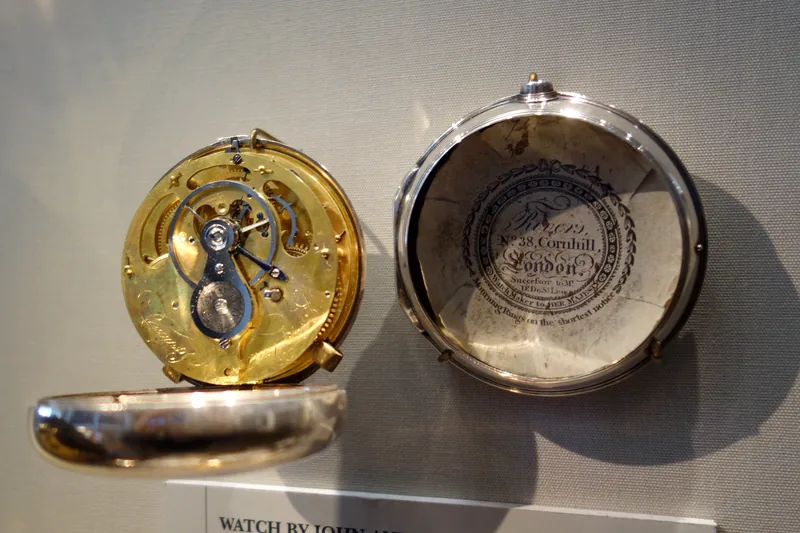
3. Metal Purity and Standards
During the 1915–1925 period, Rolex utilized a wide spectrum of metallic alloys for its trench watch cases, hinged cushion cases, and early waterproof experiments. Because gold and silver in their pure forms are too soft to endure the rigorous conditions of front-line combat or daily wear, they were alloyed with copper, nickel, and zinc to impart structural rigidity.
Silver Purity Standards (.925 Sterling and .935 Fine Silver)
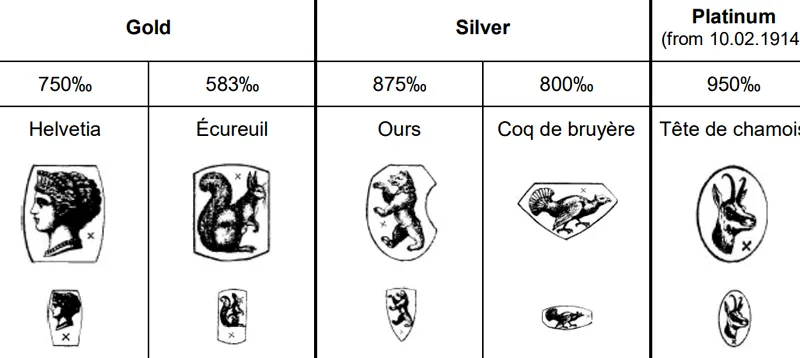
The vast majority of battlefield-issued and officer-purchased trench watches from 1915 to 1918 were struck in silver. The primary standard encountered is **Sterling Silver (.925)**, denoted in British import hallmarks by the numerical ".925" or the explicit assay stamp. Occasionally, collectors will observe a **.935** purity mark on early Swiss cases; this higher standard was a native Swiss fineness standard frequently used in conjunction with the Swiss "Grouse" or "Bear" hallmark before the case was submitted for British import re-assaying.
Gold Purity Standards (9ct, 12ct, 15ct, and 18ct)
Gold Rolex timepieces from this era display a fascinating array of legal fineness standards that aid significantly in chronological verification:
- 9 Karat (.375): Widely used for civilian timepieces and durable military presentation watches. Designated by ".375" or "9" with the assay office town mark.
- 12 Karat (.500) and 15 Karat (.625): Historic British gold standards that were officially abolished in 1932. Finding a "15" or ".625" hallmark provides immediate absolute confirmation that the case was struck prior to the 1932 statutory changes, strongly supporting a 1915–1925 attribution.
- 18 Karat (.750): Reserved for luxury pieces and high-tier chronometer-grade offerings, marked with ".750" alongside the Swiss Helvetia head symbol or the relevant British import hallmark.
4. How to Identify on Vintage Watch Cases
To safely inspect and interpret hallmarks on a candidate timepiece, an archivist must utilize proper horological opening tools—such as precision case knives for hinged bezels and casebacks, or specialized friction balls for early screw-down Borgel cases. Avoid applying excessive force to fragile silver wire lugs or worn case hinges.
Once the caseback is opened, systematically examine the internal inner cap (cuvette) and the inner surface of the primary caseback under a 10x or 15x optical loupe using low-angle directional light. You will typically uncover a layered matrix of signatures:
- Locate the Sponsor Mark: Look for the primary initials. From 1915 into the early 1920s, the shield containing **"W&D"** (Wilsdorf & Davis) is the standard hallmark signature. As the brand consolidated its identity post-1919, this stamp transitioned to **"R.W.C. Ltd"** (Rolex Watch Company Ltd) or **"ROLEX"** contained inside a raised rectangular or oval frame.
- Identify the Assay Town Mark: Search for Glasgow’s import mark (the double salmon symbol or the tree, fish, and bell symbol for local submissions) or London's import mark (the "Sun in Splendour" or refined constellation marks).
- Analyze the Date Letter: Match the shape of the surrounding cartouche (shield) and the exact typography of the letter (e.g., Gothic, italicized, or block capital) against official British Assay Office year charts.
- Examine Dual Swiss Marks: It is common on authentic pieces to find Swiss control marks (such as the Bear for silver) resting beside British import stamps. This proves the case was manufactured in Switzerland, exported to England, assayed at a British port office, and re-stamped before retail distribution.
5. Dating and Authentication Value
Applying rigorous archival techniques to vintage rolex dating 1915-1925 requires cross-referencing case back stamps with movement serial numbers and movement design characteristics. During this era, case serial numbers were stamped sequentially by individual casemakers (such as C.R. Spillmann, Dennison, or Aegler), meaning case serial sequence charts from later Rolex eras (1930s–1980s) **do not apply** to 1915–1925 watches.
Instead, the **Assay Date Letter** provides an exact 12-month window for when the case was officially hallmarked, serving as the definitive baseline for chronological attribution.
| Feature / Specification | Historical Archival Standard | Collector Verification Note |
|---|---|---|
| Sponsor Mark | "W&D" (1905–c.1919) / "R.W.C. Ltd" (c.1919–1925+) | Stamped on internal caseback; guarantees Hans Wilsdorf's direct commercial importation chain. |
| Glasgow Date Letters | Cycle letters: "o" (1911), "p" (1912), ... "u" (1917), "a" (1923), "b" (1924) | Letter style and outer shield boundary shape must match official Glasgow Assay records precisely. |
| Movement Caliber | Aegler Rebberg 11''', 12''', or 13''' Hunter/Lepine Calibers | Features 15-jewel lever escapement, bimetallic compensation balance, and optional Rolex signatures on bridges. |
| Case Architecture | Hinged Officer Case, Borgel One-Piece Screw Case, Cushion Case | Soldered wire lugs (12mm–14mm wide); white or black enamel dials with radium-painted numerals. |
| Precious Metal Purity | Sterling Silver (.925) / 9ct, 15ct, 18ct Gold | Look for missing assay marks or incorrect silver decimals (.900 instead of .925), which signal non-imported or re-cased movements. |
When assessing timepieces in our broader vintage Rolex wristwatch collection, cross-referencing these physical hallmarks with movement mechanics guarantees that both the case and mechanical caliber originated from the exact same historical production run.
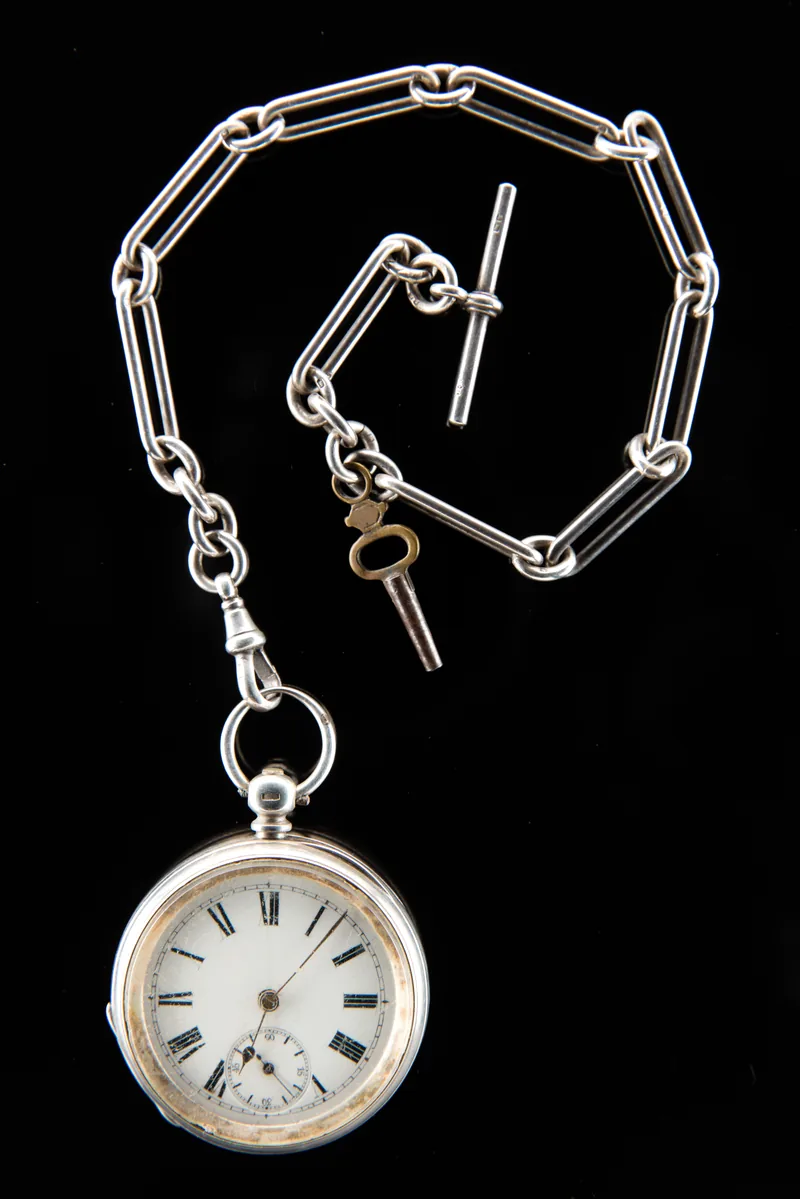
6. Collector Significance
The historical importance of authentic 1915–1925 Rolex timepieces cannot be overstated. These watches represent the literal genesis of the waterproof tool watch concept that eventually yielded the Rolex Oyster in 1926. Timepieces from this decade bear witness to the brutal environmental pressures of World War I, where artillery officers, combat medics, and early RFC (Royal Flying Corps) aviators relied on precision timekeeping to synchronize creeping artillery barrages and tactical flight maneuvers.
Furthermore, because early Rolex dials were often unsigned or produced with sterile white enamel dials to accommodate local jewelry store branding, hallmark forensic analysis is frequently the **only definitive method** to establish that a unbranded trench watch is, in fact, an authentic early Rolex creation manufactured under Hans Wilsdorf's direct oversight.
Collectors must exercise vigilance regarding common market anomalies. Recased movements—where a genuine Aegler/Rolex movement is placed into a generic, non-Wilsdorf period case—can be instantly detected by the absence of the "W&D" or "R.W.C. Ltd" sponsor stamps. Conversely, forged hallmarks often exhibit crude cast-resting edges rather than the crisp, clean indentations characteristic of a mechanical steel die punch. For enthusiasts exploring our curated collection of restored vintage timepieces and conversions, evaluating these internal structural signatures remains the absolute gold standard of authenticating horological history.
Frequently Asked Questions
How do I accurately date a WW1 Rolex trench watch without a dial signature?
To accurately date an unsigned WW1-era Rolex trench watch, inspect the inside of the precious metal caseback under magnification to locate the official British Assay Office import hallmark. Cross-reference the specific date letter code and its enclosing shield boundary shape against published assay records (such as Glasgow or London tables) to determine the exact calendar year the case was assayed between 1915 and 1925.
Why do many 1915–1925 Rolex watches feature British import hallmarks alongside Swiss marks?
Under the British Foreign Plate Act of 1906 and the McKenna Duties of 1915, watch cases manufactured in Switzerland (bearing Swiss precious metal control stamps like the Bear or Duck) were required by law to be re-assayed and stamped with official British import hallmarks upon entering ports like Glasgow or London before they could be legally sold by UK retailers.
What is the significance of the "W&D" mark on an early Rolex watch case?
The "W&D" stamp stands for Wilsdorf & Davis, the founding corporate partnership established by Hans Wilsdorf and Alfred Davis in London in 1905. Finding the "W&D" sponsor mark inside an early watch case provides definitive historical proof that the timepiece was imported and distributed by Hans Wilsdorf prior to the full corporate adoption of the Rolex Watch Company branding.